If you run a business in Houston, you already know that security is not optional. Whether you operate a retail shop in Midtown, a warehouse near the Port of Houston, or a multi-location office in the Energy Corridor, protecting your property, employees, and assets is part of running a responsible operation. What has changed dramatically in recent years is how businesses are doing it.
Cloud-based security camera systems have become the go-to solution for Houston business owners who want reliable, flexible, and scalable surveillance without the limitations of old-school setups. But with so many options on the market, it can be hard to figure out what actually makes sense for your situation.
This article breaks it down plainly so you can make a confident, informed decision.
What Makes a Security Camera System “Cloud-Based”?
Traditional security cameras store recorded footage on a physical device, typically a DVR or NVR unit kept somewhere on-site. If that device gets stolen, damaged in a fire, or simply fails, your footage is gone with it.
Cloud-based systems work differently. Instead of relying solely on a local hard drive, they transmit video footage to secure off-site servers over the internet. You can access that footage from anywhere, at any time, using a phone, tablet, or computer. Think of it as the difference between saving files only to your desktop versus saving them to a cloud drive you can open from any device.
For businesses, this shift is significant. It means your surveillance data is protected even if something happens to the physical cameras or on-site hardware.
Why Houston Businesses Are Making the Switch
Houston is one of the largest and most economically diverse cities in the United States. With that scale comes real security challenges, from property crime and cargo theft to unauthorized access and employee safety concerns. The city’s geography, heat, and the sheer variety of industries operating here mean that a one-size-fits-all approach rarely works.
Cloud-based camera systems appeal to Houston business owners for a few practical reasons.
- Remote access is a genuine game-changer. Business owners who travel frequently, manage multiple locations, or simply want to check in during off-hours can pull up live or recorded footage from anywhere with an internet connection. You do not need to be on-site to know what is happening on your property.
- Scalability is another major advantage. If your business grows, you can add cameras to your cloud system without replacing your entire infrastructure. Traditional systems often require significant hardware upgrades to expand, which adds cost and downtime.
- Reduced hardware dependency lowers long-term risk. Storms, floods, and power surges are real concerns in Houston. A cloud-based system keeps your footage safe even when local hardware takes a hit.
Key Features to Look for in a Cloud-Based Business Camera System
Not all cloud camera systems are created equal, and what works for a small coffee shop will not necessarily serve a 50,000-square-foot distribution center. Here is what to focus on when evaluating your options.
Video Quality and Coverage
Resolution matters. Modern cloud systems support HD and 4K video, which gives you the clarity needed to identify faces, license plates, and fine details. For large spaces, wide-angle lenses and pan-tilt-zoom (PTZ) cameras offer broader coverage without requiring a camera every ten feet.
Storage and Retention Options
Cloud storage plans vary. Some systems offer rolling retention windows, such as 30, 60, or 90 days, while others allow indefinite archiving for an additional fee. Think about how far back you realistically need to review footage and choose a plan that reflects that.
Integration with Other Security Systems
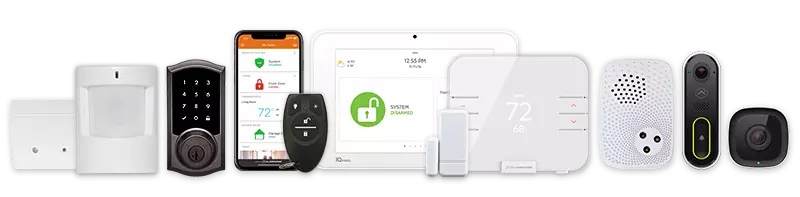
The most effective business security setups do not treat cameras as isolated tools. When your cameras integrate with alarm systems, motion sensors, and access control, you get a more complete picture of what is happening and when. For example, if a door alarm triggers after hours, your cloud camera system can automatically pull up the footage from that entry point in real time.
Cybersecurity Protections
This is one area where business owners sometimes overlook the details. Because cloud cameras transmit data over the internet, they need strong encryption and secure authentication protocols to prevent unauthorized access. Always ask providers about their data security standards before committing. The National Institute of Standards and Technology (NIST) provides widely recognized cybersecurity frameworks that reputable security providers reference when designing secure systems.
How Cloud Camera Systems Support Different Types of Houston Businesses
The practical applications vary quite a bit depending on your industry.
- Retail and restaurant operators benefit from overhead views that capture customer flow, monitor cash handling, and deter shoplifting. With remote access, an owner can check in on multiple locations during peak hours without being physically present.
- Warehouses and logistics companies near Houston’s industrial corridors often need to monitor large outdoor areas, loading docks, and inventory spaces. Cloud systems handle this well because footage is not limited by the storage capacity of an on-site device.
- Professional offices and medical facilities prioritize privacy and controlled access. In these settings, cloud cameras often work alongside business access control systems to ensure that only authorized individuals enter sensitive areas.
- Multi-location businesses benefit the most from centralized cloud management. Instead of logging into separate systems for each property, managers can view all locations from a single dashboard.
What to Expect During Installation
A well-executed cloud camera installation starts with a site assessment. A qualified technician will evaluate your property layout, identify high-risk areas, assess lighting conditions, and recommend camera placement that maximizes coverage without creating blind spots.
From there, cameras are mounted and connected to your network, and the cloud platform is configured with your preferences, including motion alerts, recording schedules, and user access levels. Most professional installations for small to mid-sized businesses can be completed in a single day.
That said, the quality of installation matters as much as the equipment itself. Poorly placed cameras, weak network connections, or misconfigured settings can all undermine an otherwise strong system. Working with an experienced local provider ensures these details are handled correctly from the start.
Why Local Expertise Matters in Houston
Houston’s climate, infrastructure, and business environment create specific security demands that a national provider unfamiliar with the area may not fully appreciate. Humidity and heat can affect camera performance and housing durability. Local crime patterns vary by neighborhood and district. Permitting, connectivity infrastructure, and even the layout of commercial properties differ from what you find in other major metros.
A Texas-based security company with years of hands-on experience in the Houston market understands these nuances. True Home Protection has been serving businesses across Texas since 2011, offering commercial-grade equipment, same-day service, and no-contract options that give business owners flexibility without locking them into long-term agreements they cannot exit.
If you are exploring your options, reviewing the full range of business video surveillance solutions available is a solid first step toward understanding what a well-designed system looks like for your specific type of business.
Frequently Asked Questions
Do cloud camera systems work if the internet goes down?
Most modern systems include local backup storage as a failsafe. If your internet connection drops temporarily, footage continues to record locally and syncs to the cloud once the connection is restored.
How secure is cloud-stored footage?
Reputable providers use end-to-end encryption and multi-factor authentication. Your footage is generally more secure in the cloud than on an unprotected on-site device.
Can I use my existing cameras with a cloud system?
In some cases, yes. It depends on the compatibility of your current hardware. A professional assessment can determine whether your existing equipment can be integrated or whether an upgrade makes more sense.
The Right System Makes All the Difference
Cloud-based business security cameras are not just a technology upgrade. They are a smarter way to protect what you have built. For Houston business owners dealing with the real-world demands of a fast-moving, competitive market, having eyes on your property from anywhere and knowing your footage is safely stored off-site is a significant advantage.
The key is getting the setup right from the beginning. Call True Home Protection at +1-800-393-6461 to talk through your specific needs and find out what a properly designed system looks like for your business.