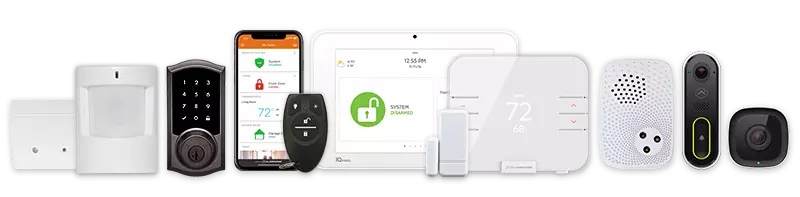
Most business owners install a security alarm system and then forget about it. It gets mounted, wired up, and quietly fades into the background – right up until the moment something goes wrong. And when something does go wrong, the cost is rarely just financial.
The reality is that commercial alarm system maintenance is not optional. It is the difference between a system that protects your property and one that gives you a false sense of security.
What Happens When You Skip Maintenance
A security system is only as reliable as its last inspection. Over time, sensors drift out of calibration, firmware becomes outdated, and a battery that once held a full charge quietly begins to fail. None of these issues announce themselves – they just quietly degrade your protection.
A motion detector that stops responding accurately, or a camera that loses clarity due to a dirty lens or outdated software, creates real gaps in your surveillance coverage. A fire alarm system with aging components may fail to trigger when it matters most, leaving your building exposed to a risk that could have been prevented.
These are not worst-case scenarios. They are the predictable results of skipping routine maintenance.
The Real Cost of System Failure
Downtime in a security system is not like downtime in other types of infrastructure. You may not notice it immediately, but the exposure is immediate. Burglary, unauthorized access, and fire damage become much more likely when your commercial alarm system device or access control system is underperforming.
Consider what a single incident could cost – property damage, inventory loss, increased insurance premiums, and the disruption to your day-to-day operations. Compare that to the modest, predictable investment of scheduled maintenance, and the math is not complicated.
There is also the issue of false alarms. A poorly maintained system generates more of them, and repeated false alarms erode trust with your monitoring provider and can even result in fines from local authorities. Keeping your system calibrated and properly serviced dramatically reduces this problem.
What Commercial Alarm System Maintenance Actually Covers
A proper maintenance visit from a qualified technician goes well beyond a visual check. Here is what a thorough inspection typically includes:
- Testing all sensors, including motion detectors, door and window contacts, and smoke or heat detectors tied to the fire alarm system
- Inspecting and replacing batteries in wireless devices and backup power supplies
- Reviewing camera alignment and lens condition across your closed-circuit television network
- Applying firmware and software patches to keep system components current and protected against vulnerabilities
- Verifying that access control system readers and panels are responding correctly
- Checking emergency light functionality and fire sprinkler system integration where applicable
- Reviewing alarm communication paths to ensure signals reach your monitoring center reliably
Each of these steps protects a specific layer of your security infrastructure. Skipping even one can introduce a gap that is not apparent until it becomes a problem.
How Technology Changes the Maintenance Picture
Modern commercial security systems are more sophisticated than they were even five years ago. That is a good thing, but it also means there is more to maintain. Networked camera systems, cloud-connected alarm devices, and integrated access control platforms all rely on software that needs regular updates and computer hardware that ages.
Patch management, in particular, is often overlooked. An unpatched system is a system with known vulnerabilities – and those vulnerabilities can be exploited. A certified technician who understands current technology is essential for keeping your system ahead of these risks.
This is especially relevant for businesses in manufacturing, construction, and other industries where the consequences of a security failure extend beyond property loss.
Why Professional Certification Matters
Not all commercial alarm system maintenance is equal. Standards set by organizations like the Occupational Safety and Health Administration and professional certification bodies exist for good reason. When you work with a provider that holds recognized credentials, including UL certification for alarm monitoring, you get technicians who are trained to a consistent and verified standard.
True Home Protection holds an A+ BBB rating and offers UL-certified alarm monitoring with no contract required. That means you are not locked into an agreement that does not serve you – you stay because the service is worth it.
Avoiding the Break-Fix Trap
Many businesses fall into a reactive pattern – only calling for service after something breaks.
This approach is almost always more expensive than proactive maintenance. Emergency service calls cost more, replacement parts cost more, and the downtime between failure and repair can create serious safety and liability exposure.
A scheduled commercial alarm system maintenance maintenance program keeps costs predictable, extends the life of your equipment, and gives you documentation that your system is functioning correctly. That documentation can also matter when it comes to insurance claims or compliance audits.
Keep Your Commercial Alarm System Working When It Matters
Regular commercial alarm system maintenance is not a luxury – it is a straightforward business decision. The risks of neglect, from false alarms and sensor failure to full system downtime, far outweigh the cost of keeping your system in top condition. If your current system has not been inspected recently, or if you are unsure whether it is still performing at the level your business needs, now is the right time to act. Learn more about how True Home Protection approaches commercial security systems and solutions built for real-world business protection. You can also reach the team directly at +1-800-393-6461.