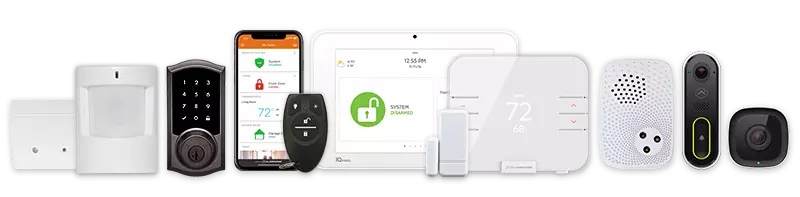
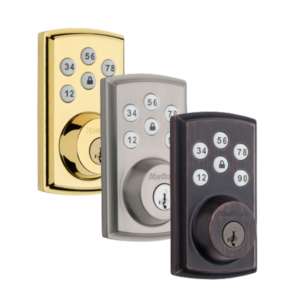
When you’re standing at your front door, keys in hand, have you ever wondered whether there’s a more secure or convenient way to lock up your home? It’s a question many Texas homeowners ask as smart home devices continue to grow in popularity.
In this guide, we’ll break down everything you need to know about smart locks vs traditional locks. Whether you’re considering upgrading your door hardware or just curious about home security options, this article will help you choose the best type of lock for your needs.
What Is a Smart Lock?
A smart lock is an advanced type of electronic door lock that connects with your smartphone, Wi-Fi, or smart home system to lock and unlock your door remotely. It’s a key part of modern home automation systems.
These locks use technologies like Bluetooth, Z-Wave, or Wi-Fi to communicate with smart home hubs or mobile apps. Some even feature fingerprint scanning, voice commands with Google Assistant, or a keypad for entering an access code.
How Smart Locks Work
Unlike traditional mechanical locks, smart locks work with electronic hardware powered by an electric battery. Here’s where the real innovation lies:
- You can unlock your door from anywhere using a mobile app.
- Temporary or scheduled access to your home can be given to guests or service providers.
- Some locks send a notification when someone unlocks your door.
- Many smart locks are compatible with home automation tools like thermostats, cameras, or security alarms.
What Is a Traditional Lock?
A traditional lock is the standard mechanism most people are familiar with: it uses a physical key to lock or unlock your door. Typically, it includes a deadbolt, sometimes paired with a knob or lever lock.
The most common type is the pin tumbler lock, which has been around for decades. It’s purely mechanical and doesn’t require electricity or technology.
How Do Traditional Locks Work?
Traditional door locks rely on mechanical action between the lock and key. Here’s how:
- Insert a traditional key into the cylinder to rotate and engage the bolt.
- Locks are made of hardened steel, making them durable against forceful entry.
- Traditional deadbolts are often used to secure exterior doors.
Simple, familiar, and trusted – but are they as secure in today’s tech-driven world?
Smart Locks vs Traditional Locks: A Straight Comparison
Let’s explore smart locks vs traditional locks by comparing the most important factors:
| Feature | Smart Lock | Traditional Lock |
|---|---|---|
| Access Method | Keyless (smartphone, keypad, fingerprint) | Physical key |
| Power Source | Electric battery | Mechanical, no power needed |
| Remote Access | Yes – via app or smart home hub | No |
| Installation Difficulty | Moderate – may require Wi-Fi setup | Simple |
| Vulnerability to Hack | Possible (electronic hacking) | Possible (lock picking or bumping) |
| Backup Method | Usually includes key override | No additional method |
| Integration With Smart Home | Yes | No |
| Cost | Generally higher | Lower upfront cost |
| Security Alerts | Yes – sends notifications | No |
| Access Control | Yes – issue virtual keys or codes | No |
Pros and Cons of Smart and Traditional Locks
When deciding between smart locks and traditional locks, you’ll want to weigh the pros and cons of each.
Pros and Cons of Smart Locks
Pros:
- Keyless entry – no more fumbling with keys.
- Receive a notification when someone enters your home.
- Use remote access to unlock your door from anywhere.
- Integration with smart home devices and systems.
- Create temporary access codes for guests or workers.
Cons:
- Requires electric battery power, which needs replacement.
- Potential security hacker threats if not properly secured.
- Costlier than traditional locks.
Pros and Cons of Traditional Locks
Pros:
- Familiar and simple to use.
- Budget-friendly with long-lasting reliability.
- No dependency on power or internet.
Cons:
- No notification system or remote access.
- Lost or stolen keys present a security risk.
- Easier target for lock picking or burglary compared to digital locks.
How Secure Are Smart Locks Compared to Traditional Locks?
This is one of the most important questions in the lock vs debate. Let’s explore the level of security both lock types offer.
Are Smart Locks More Secure Than Traditional Locks?
In many cases, smart locks offer enhanced security features that traditional locks don’t.
These include:
- Activity logs and alerts
- Integration with closed-circuit television (CCTV) systems
- Temporary or scheduled access code options
- Remote locking capabilities via Wi-Fi or Bluetooth
However, a smart lock is only as secure as its physical design and digital integrity. If you get a poor-quality product or don’t use strong passwords, it could become vulnerable to a hack.
Are Traditional Locks Still Effective?
Absolutely. A traditional deadbolt made with high-quality materials like those from Schlage or Yale University remains a tried-and-true way to secure a door. Combining them with security alarms, security cameras, or even a good old-fashioned dog and fence can create a solid home defense.
Just keep in mind: mechanical locks don’t offer flexible access, and lost keys are a common risk.
Smart Locks and Traditional Locks in a Smart Home Setup
If you’re building a smart home or already use smart devices for your lights, thermostat, or camera, integrating a smart door lock might be a natural next step.
Many smart locks use Z-Wave technology to communicate with your smart home hub or mobile app. This allows features like:
- Auto-lock when you leave home
- Notifications if you forgot to lock the door
- Voice control via Google Assistant
You can even unlock your door from anywhere, offering both convenience and peace of mind.
Example: Say a friend needs to feed your pet while you’re away. Instead of handing over a key, just send them an access code through your app. That’s something traditional deadbolts simply can’t do.
Can You Combine Smart Locks and Traditional Locks?
Yes, and it’s a great option for added safety and security.
You might install a keyless smart lock on the top deadbolt and keep a traditional door lock on the handle. This two-tier setup can deter both tech-savvy hackers and old-fashioned intruders.
Plus, many new smart door locks come with a key override in case your smartphone dies or the battery cuts out. That provides a dependable Plan B.
How to Choose a Lock That’s Right for You
When you’re ready to choose a lock, consider:
- Your lifestyle: Do you often forget your keys or want to let in guests when you’re away?
- Your home security setup: Already have a smart home system or plan to upgrade soon?
- Your budget: Smart locks are generally more expensive, but added smart features may be worth it.
- Who needs access: If family, cleaners, or pet sitters need entry while you’re not home, locks that use codes or apps are ideal.
And don’t forget to reinforce any lock with solid door hardware and a well-fitted deadbolt lock.
What the Experts Say
Your choice comes down to your specific needs and what gives you the peace of mind that your home is truly secure.
Final Thoughts: Lock vs Unlock Your Future Smartly
Both smart locks and traditional locks serve a purpose. It’s not about one being better than the other; it’s about what matches your home and lifestyle.
If you’re looking to future-proof your security with a smart home device, a smart lock with features like remote access, temporary access, and voice control may be the way to go. On the other hand, a solid traditional mechanical lock still offers dependable protection at a lower cost.
Whichever type of lock you choose, remember: Your front door is your first line of defense.
Looking to step up your home’s protection overall? Check out our guide on home security systems for residential properties and see how your door lock can work as part of a full security system here in Texas.
Your home deserves the best in safety. Make your next new lock a smart one, if it’s right for you.