

ADA Compliance Requirements for Access Control Systems Explained
Let's be honest about what the title of this article is really saying: skipping ADA compliance for your access control system is not a strategy. It is an expensive mistake waiting to happen. And in a business environment where lawsuits, fines, and reputation damage can follow a single complaint, "I didn't know" is not a defense that holds up in court. This article is for business owners, property managers, and facility directors who want to understand what the Americans with Disabilities Act of 1990 actually requires when it comes to access control and why getting it right from the start

Business Security Camera Laws: What Every Company Should Know Before Installing Surveillance
Installing a security camera system at your business feels like a straightforward decision. You want to protect your assets, deter theft, and keep your workplace safe. But before you mount that first camera, there are real legal boundaries you need to understand. Ignoring business security camera laws does not just create awkward situations. It can expose your company to serious legal liability. Here is what every business owner should know before flipping the switch on a new surveillance system. Why Business Surveillance Laws Exist in the First Place Laws around workplace surveillance exist because employees and visitors do not surrender

Business Video Surveillance Laws: What Companies Can and Can’t Record
Running a business comes with a lot of responsibility, and security is near the top of that list. Many business owners turn to video surveillance to protect their property, deter theft, and keep employees and customers safe. But before you install a single camera, it's worth understanding what the law actually allows - because getting it wrong can lead to serious legal trouble. This guide breaks down what you need to know about business video surveillance laws, where cameras are and aren't allowed, and how to stay compliant without compromising your security. Why Understanding Video Surveillance Laws Matters for Businesses

Workplace Surveillance Laws: What Employers Can and Can’t Monitor in 2026
If you run a business, you have a real interest in knowing what is happening on your property. Theft, liability, productivity concerns, and workplace safety are all legitimate reasons to consider monitoring your employees. But how far can you actually go before you cross a legal line? The rules around workplace surveillance laws are not as simple as installing a few cameras and calling it done. Federal law, state laws, and even local laws all play a role in shaping what an employer can and cannot do. The Legal Framework Governing Workplace Surveillance There is no single law that covers
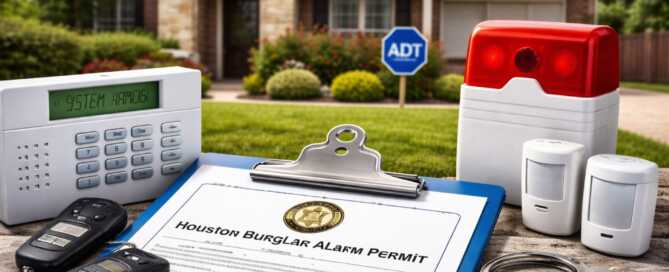
Alarm Permit Houston: How to Apply, What It Costs, and How to Avoid Fines
If you have a security alarm system in Houston, you are likely required by law to register it with the city. Many homeowners and business owners skip this step without realizing it, then face unexpected fines when police respond to a false alarm. Here is everything you need to know to stay compliant and avoid unnecessary penalties. Why Houston Requires an Alarm Permit The City of Houston takes alarm regulation seriously. Under local ordinance, any residential or non-residential alarm system that can trigger a police response must be registered through the Burglar Alarm Administration. This policy exists because a high

How To Get Your City Of San Antonio Alarm Permit Without Delays Or Fines
If you have a security alarm system at your home or business in San Antonio, there is a good chance you are required to have a permit. Many residents skip this step without realizing it, then get hit with unexpected fees or fines when their system triggers a police response. The good news is that getting an alarm permit is straightforward once you understand what is needed and why it matters. Why San Antonio Requires an Alarm Permit The City of San Antonio requires residents and businesses using monitored alarm systems to register with the city. This is part of
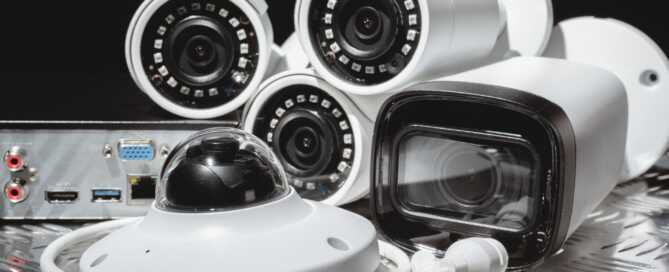
Are Security Cameras An Invasion Of Privacy? The Real Pros, Cons, And Legal Facts
Security cameras are everywhere these days. You see them at the grocery store, mounted above entrances and exits of office buildings, and even on a neighbor's doorbell. But with all that surveillance, a fair question keeps coming up: Are security cameras an invasion of privacy? The honest answer is that it depends. There is a real balance between security and personal privacy rights, and the line is not always obvious. This article breaks down the legal facts, practical considerations, and commonly asked questions about security cameras so you can make informed decisions about your own property. Understanding the Expectation of

How To Get Your Austin, Texas Alarm Permit Without The Headache
If you recently had a security alarm installed at your home or business in the Austin area, there is one important step most people overlook: registering your alarm with the appropriate local authority. Skipping this can lead to fines, fees, and unnecessary friction with law enforcement. The good news is that the process is more straightforward than it sounds. Why You Need an Alarm Permit in Austin The city of Austin, like many jurisdictions across Texas, requires property owners to register their alarm systems with the local police department. This rule exists because false alarm calls consume significant emergency response

Should Video Cameras Be Placed in Every Classroom? Pros, Cons, and What Schools Must Consider
Walk into almost any modern school building today, and you will likely spot a camera mounted near the entrance, in the hallway, or above a cafeteria doorway. But when the conversation shifts to cameras in the classroom, things get a lot more complicated. Parents want safety. Teachers want respect. Administrators want answers. And students deserve both protection and dignity. So, should video cameras be placed in every classroom? There is no one-size-fits-all answer, but there is a lot worth thinking through carefully. The Growing Reality of Surveillance in Schools Cameras are becoming a standard part of school infrastructure across the

Where Are Cameras Not Allowed in the Workplace? Key Areas Employers Can’t Monitor
Security cameras in the workplace have become a standard part of doing business. Employers use them to deter theft, protect assets, monitor productivity, and maintain a safe environment for everyone on the premises. But here is the thing - not every corner of a workplace is fair game for surveillance. Understanding where cameras are not allowed is just as important as knowing where they are permitted. Whether you are an employer trying to stay compliant or an employee wondering about your privacy at work, this guide breaks it all down in plain language. The Legal Framework Around Workplace Video Surveillance