Running a retail store comes with a long list of responsibilities, and keeping it safe is right at the top. Whether you operate a small boutique or a large retail chain, the risks are real: shoplifting, organized retail crime, internal theft, vandalism, and even robbery can all eat into your profit margin before you even realize what is happening.
The good news is that effective retail security does not have to be complicated. With the right approach to security and the right tools in place, you can significantly reduce risk, protect your inventory, and create a secure environment for both your employees and customers. Here are 15 practical retail security tips to help you do exactly that.
Start With a Thorough Security Audit
Before you invest in anything, conduct a security audit of your store. Walk through every area of the store, identify blind spots, check your lighting, and assess where your vulnerabilities are. A store security audit gives you a clear starting point and helps you prioritize your spending.
Invest in a Reliable Retail Store Security System
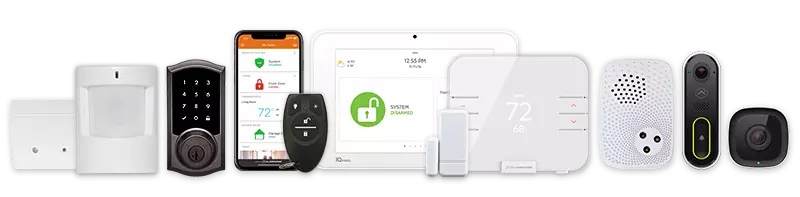
A reliable retail store security system is the foundation of everything else. Modern security systems allow retailers to monitor store activity in real time, set off alarm devices when doors or windows are breached, and keep detailed records that support insurance claims or police investigations. Look for a security system that integrates cameras, sensors, and alarm systems into one unified platform.
Install Commercial Video Surveillance Cameras
Closed-circuit television (CCTV) remains one of the most effective deterrents against theft.
Strategically placed security cameras cover areas of the store where merchandise is most vulnerable, including blind spots near fitting rooms, stockrooms, and high-value displays. Commercial video surveillance systems from a trusted provider give you continuous monitoring and recorded footage that is admissible as evidence.
Use Electronic Article Surveillance (EAS) Tags
Electronic article surveillance is an anti-theft system that uses sensor tags attached to merchandise. If someone attempts to shoplift an item without deactivating the tag, an alarm device goes off at the exit. EAS tags are a visible deterrent and a reliable layer of protection, especially for clothing, electronics, and high-value stock.
Implement Access Control in Sensitive Areas
Not every employee needs access to your stockroom, cash register area, or server room.
Advanced access control solutions let you restrict entry using keycards, PIN codes (personal identification number), or biometric systems. This reduces the risk of internal theft and limits security breaches to areas where damage can be significant.
Explore advanced access control solutions that can be tailored to your store layout and operational needs.
Train Employees on Loss Prevention
Your store staff is your first line of defense. Train employees to recognize suspicious behavior, greet every customer who enters, and understand the communication protocol for reporting incidents. Training to identify early warning signs of shoplifting or organized retail crime can prevent theft before it happens. Employees who feel empowered and informed are a critical part of any loss prevention strategy.
Optimize Your Store Layout
Store design matters more than most store owners realize. A smart store layout reduces blind spots, improves sightlines, and makes it easier for staff to monitor customers. Keep high-value merchandise near the point of sale or in locked display cases. Arrange shelving so that no area becomes a hidden corner where theft can occur unnoticed.
Upgrade to Smart Security Solutions
Modern retail spaces can benefit from artificial intelligence and analytics built into their surveillance systems. Smart security solutions can detect unusual behavior, flag potential theft in real time, and send alerts directly to your phone or security teams. This kind of advanced security moves well beyond basic camera footage and gives you actionable data to improve store operations.
Use Alarm Systems and Motion Detectors After Hours
Retail theft does not only happen during business hours. Burglary after closing is a real threat, and a strong security infrastructure addresses it directly. Alarm systems paired with motion detectors and robust security monitoring can alert security services immediately when unauthorized access is detected, reducing response time and potential losses.
Address Organized Retail Crime Proactively
Organized retail crime (ORC) involves coordinated groups targeting retail locations for large-scale theft. Unlike opportunistic shoplifting, ORC requires a more strategic response. This includes working with local law enforcement, training staff to identify patterns, using RFID (radio-frequency identification) tagging for high-risk items, and connecting with loss prevention solutions that can help you detect and document incidents systematically.
Consider Hiring Trained Security Personnel
For larger stores or those with higher shrinkage (accounting for inventory loss), having security personnel on-site can be a strong deterrent. Trained security staff understand behavior patterns, can de-escalate situations involving robbery or fraud, and provide a visible presence that discourages theft. Even part-time or contracted security services can make a measurable difference.
Leverage Integrated Business Security Systems
One of the best retail security practices is to bring all your security tools together under one system. Integrated business security systems combine alarm systems, video surveillance, access control, and monitoring into a single platform. This makes it easier to manage overall security, respond to threats quickly, and maintain consistent protection across your entire store or multiple retail locations.
Manage Multi-Site Security Centrally
If you operate more than one location, managing each store’s security independently creates gaps. Multi-site enterprise security management platforms allow you to monitor store activity across all your properties from one dashboard. This strengthens your retail security strategies and ensures no location is left vulnerable due to inconsistent oversight.
Conduct Regular Security Audits
Security is not a one-time setup. Conducting regular security audits ensures that your systems are functioning correctly, your policies are being followed, and any new vulnerabilities are addressed before they become problems. Audit frequency should increase during high-risk periods like the holiday shopping season, when retail theft and fraud attempts tend to spike.
Partner With a Trusted Security Company
Following these tips is far more effective when you have experienced professionals behind you.
A reputable security company brings expertise in building security, business security, and retail-specific challenges. Look for industry-specific security solutions that match the size and nature of your operation. Explore industry-specific security solutions to find the best security approach tailored to your retail environment.
Whether you need comprehensive retail surveillance, alarm monitoring, or a complete overhaul of your store’s security infrastructure, working with security experts ensures you are not guessing – you are protected.
Conclusion
Retail security is an essential part of running a successful store. By applying these retail security tips and committing to best practices, you can protect your business, reduce shrinkage, and create a safer experience for employees and customers alike. True Home Protection offers security for retail businesses across Texas, with solutions designed to fit your needs and budget. Call us at +1-800-393-6461 to get started today.