If you are trying to figure out how much a commercial fire alarm system is going to cost you in 2026, you are not alone. Business owners ask this question constantly, and the honest answer is: it depends on several factors that most alarm companies do not explain upfront.
This guide breaks it all down. From equipment and installation to ongoing alarm monitoring costs, here is what you need to know before signing anything or making a budget decision.
Why Fire Alarm Monitoring Costs Vary So Much
The cost of a commercial fire alarm system is not a flat number. Two businesses in the same city can pay very different amounts based on the size of their property, the type of system they choose, and the alarm monitoring provider they work with.
Understanding these differences helps you avoid overpaying and make smarter decisions for your business.
Key Factors That Affect the Cost of Fire Alarm Systems
Size and Layout of Your Building
Size and layout directly impact the cost more than almost any other factor. A larger commercial building requires more smoke detectors, heat detector units, pull stations, and wiring to cover every zone properly.
A small retail space might need a basic installation with a fire control panel and a handful of alarm devices. A multi-story facility, on the other hand, could require a far more complex detection system with multiple control panels, duct sensors, and integration with the elevator and sprinkler system.
The per square foot cost rises when the layout is irregular or when dropped ceilings, metal framing, or complex electrical wiring make installation more labor-intensive.
Type of Fire Alarm System
The type of system you choose plays a major role in your overall cost. There are three main categories most commercial properties work with:
- Conventional systems are more basic and generally less expensive. They work well for smaller buildings but offer limited zone detail.
- Addressable systems give you precise information about where fire is detected in the building. They cost more upfront but are preferred in larger or more complex facilities.
- Wireless systems can reduce installation costs by cutting down on wiring labor, though the hardware itself may carry a higher price tag.
Each type of fire alarm system has a different level of installation complexity, which affects installation and maintenance costs over time.
Equipment Costs: What Goes Into a Commercial Fire Alarm System
A full commercial fire alarm system includes more than just smoke detectors. You are looking at a combination of components that work together to protect the property and alert occupants and the fire department as quickly as possible.
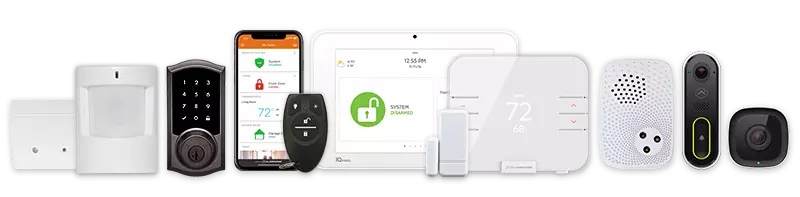
Common components include the fire alarm control panel (also called an alarm panel or keypad interface), smoke detectors, a heat detector or two in areas like kitchens or mechanical rooms, manual fire alarm activation pull stations, alarm notification appliances like horns and strobes, carbon monoxide detectors in some cases, and backup electric battery systems for power outages.
If your property also requires a fire sprinkler system, a fire sprinkler integration with the alarm adds additional cost. Flow sensors and valves connected to water pipes must communicate with the alarm panel so the system stays online and functioning properly.
Installation Costs and Labor
Fire alarm system installation is not a simple plug-and-play job. It requires licensed technicians who understand local fire codes, regulatory compliance standards set by bodies like the
National Fire Protection Association, and the specific needs of your commercial space.
Installation costs vary based on the complexity of the system, the number of devices being installed, the accessibility of ceilings and walls, and whether you are installing in a new build or retrofitting an existing structure. Basic installation for a small business can start at a few thousand dollars, while a large-scale commercial alarm system installation can run significantly higher.
Fire Alarm Monitoring Costs: The Recurring Cost You Cannot Ignore
Once the system is installed, you will pay a recurring cost for the monitoring service. This is what connects your alarm system to a central station that watches for signals around the clock.
Professional monitoring means that when an alarm is triggered, trained operators at a monitoring center immediately contact emergency services, your fire department, and your designated contacts. This is not optional for most commercial buildings as it is often required by local fire codes and insurance companies.
The fire alarm monitoring cost typically falls between $30 and $100 per month, though comprehensive monitoring with advanced features or multi-location enterprise security management needs can push that number higher. Some providers charge closer to $60 per month for standard commercial monitoring, while others bundle it into a larger security service package.
When comparing alarm monitoring costs, check what is actually included. Remote monitoring, 24/7 service, redundant monitoring center backup, and rapid response times are features worth paying for.
Inspection and Maintenance Fees
Beyond installation and monthly monitoring fees, you also need to budget for regular inspections. Fire alarms require annual or semi-annual inspections to meet code compliance and keep your insurance valid.
Inspection fees depend on the size of your system and the provider you work with. Some security companies bundle inspection into a service agreement, while others charge separately.
Either way, it is a cost factor that is easy to overlook during the planning stage.
Cost Breakdown: Putting It All Together
Here is a general breakdown of fire alarm system cost ranges for commercial properties in 2026:
- Equipment and installation: $1,500 to $15,000+, depending on system complexity
- Alarm monitoring: $30 to $100 per month on average
- Inspection and maintenance: $150 to $500+ per visit
- Total cost over the first year: can easily reach $5,000 to $25,000 or more for mid-size to large properties
These are estimates. The commercial fire alarm system cost for your specific property will depend on all the factors described above.
How to Choose the Right Alarm Monitoring Provider
Selecting a fire alarm monitoring provider is about more than price. You want a company that offers UL-certified monitoring, clear pricing with no hidden fees, and a monitoring center that operates 24/7 with real people responding when your alarm is triggered.
Look for providers that offer flexible options without locking you into a long-term contract, especially if your business needs are likely to change. The right provider will also support integration with your broader security setup, including business video surveillance, commercial access control, and security solutions tailored to your industry.
If your business operates across multiple properties, ask about what a commercial fire alarm monitoring solution designed for multi-site management would look like. Scalable options matter when you are growing.
True Home Protection works with businesses across Texas to deliver transparent, reliable alarm monitoring without the confusion or the runaround. Whether you need help with a new installation or want to connect your existing system to a central station, the team is ready to help you figure out what makes sense for your situation.
You can also explore security solutions by industry to see how fire and security systems are tailored for different types of commercial properties.
Conclusion
Commercial fire alarm monitoring cost in 2026 is shaped by building size, system type, equipment, installation complexity, and your chosen monitoring service. Understanding these factors gives you the power to budget accurately and avoid surprises. True Home Protection offers transparent pricing, no hidden fees, and UL-certified monitoring for Texas businesses.
Whether you are starting fresh or upgrading an existing alarm, the right system and the right partner make all the difference for your property and your peace of mind. Reach out to True Home Protection today at +1-800-393-6461 to get started.