If you’ve invested in a security system for your business, you may be wondering whether the IRS will allow a tax deduction for it. The short answer is: yes, in many cases, business security systems are tax-deductible. But like most things in tax law, the details matter.
This guide breaks down what you need to know about claiming a deduction for your security setup, what qualifies, and where things can get complicated.
Why Business Security Is Considered a Legitimate Expense
The Internal Revenue Service allows businesses to deduct ordinary and necessary expenses used to operate and protect the business. A security system used exclusively for business falls squarely into that category.
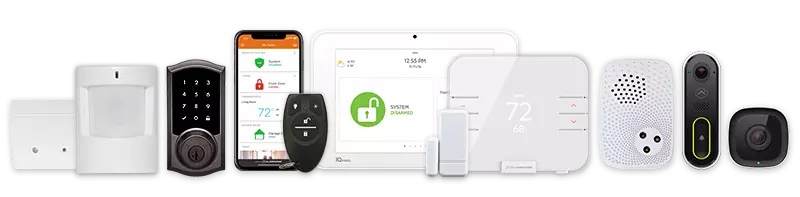
Whether you’ve installed security cameras, a fire alarm system, professional monitoring, or commercial access control solutions, these are generally deductible as a business expense.
They protect your property, your inventory, your data, and your income – all of which the IRS recognizes as legitimate business concerns.
Deterring theft, maintaining regulatory compliance, and safeguarding assets are core operational needs. That’s why the IRS treats qualifying security system expenses as a recognized cost of doing business.
What Types of Security Systems Qualify
Not every system automatically qualifies for a full deduction. Here’s a practical look at what typically applies.
Commercial Security Systems and Equipment
If your business operates from a dedicated commercial location, any security system placed in service for that property is considered a business expense. This includes:
- Closed-circuit television (CCTV) cameras and business video surveillance systems
- Alarm systems and sensors
- Access control systems
- Security monitoring services and ongoing monitoring fees
The cost basis of the equipment, plus installation and any premium service plans, can all factor into what you deduct.
Home Office Deductions and Home Security
If you work from home, the tax implications are a bit more nuanced. You can only deduct the portion of your home security system that applies to the part of your home used exclusively for business purposes.
For example, if your home office makes up 15% of your home’s square footage, you may be able to deduct 15% of your home alarm system costs. The IRS is strict here – the space must be used exclusively for business, not as a shared living area.
This also applies to your home security system subscription or alarm monitoring fees. You use part of your home for work, so only that percentage becomes a deductible expense.
Rental Properties and Security Equipment
Business owners who own rental properties can also claim security system expenses. If you install security cameras or an alarm system to protect a rental unit, those costs are generally deductible as a property management expense. This can reduce your taxable net income and help offset the costs of maintaining your investment.
How to Deduct Security System Costs: Section 179 and Depreciation
There are two main methods to deduct the cost of a business security system, and both have financial benefits worth understanding.
Section 179 Deductions
Under Section 179 of the tax code, small business owners can deduct the full cost of qualifying equipment in the year it was purchased rather than spreading it out over time. This means if you implement a new commercial security system this tax year, you may be able to write off the entire cost immediately.
Section 179 deductions apply to tangible property used for business purposes, which includes security equipment. The Tax Cuts and Jobs Act expanded these limits significantly, making it easier for small business owners to maximize their deductions upfront.
Bonus Depreciation and MACRS
If your equipment doesn’t qualify under Section 179, or if you want to categorize costs differently, bonus depreciation or the Modified Accelerated Cost Recovery System (MACRS) may apply. These methods allow you to recover costs over time based on the equipment’s useful life.
Depreciation is especially relevant for larger commercial security systems installed across a warehouse, multi-unit property, or enterprise setting. For businesses with multiple locations, managing security across sites adds complexity to tracking and deducting those assets.
Home Security vs. Business Security: Understanding Personal Use
One of the most common mistakes businesses make is trying to deduct security costs that include personal use. If a security camera covers both your home and your business property, you can only deduct the business-use percentage.
The IRS draws a clear line between home security and business security. Mixing the two without documentation can create problems on your tax return. Keep records, photos, and invoices that clearly show what was used for business purposes.
Talk to a Tax Professional Before You File
Tax laws change, and every business situation is different. What applies to a single home office may not apply to a business property with multiple employees or a retail operation. Consult with a qualified tax advisor or accountant before claiming security system deductions to make sure everything is done correctly.
Hiring a tax professional to ensure compliance with current IRS rules is one of the best investments you can make. If you’re unsure how to handle security system expenses on your tax return, a brief consultation can save you significant money and stress.
Conclusion
Business security systems can offer real financial benefits beyond just protecting your property.
From Section 179 deductions to depreciation, there are legitimate ways to reduce your tax burden when you invest in the right equipment. If you’re ready to explore security solutions tailored to your industry or want to learn more about commercial security systems, True Home Protection is here to help. Reach out today and protect your business while making the most of what the tax code allows.