Running a business comes with enough challenges without having to worry about whether your property, employees, and assets are protected. But learning how to set up a commercial security system can feel overwhelming, especially if you are not sure where to start, what equipment you need, or who to trust. This guide to commercial security breaks it all down in plain language so you can make confident decisions and keep your business safe.
Why Commercial Security Is Not the Same as Home Security
A lot of business owners assume a basic alarm and a few cameras will cover their security needs. The reality is that commercial properties face a completely different set of risks. You are dealing with higher foot traffic, multiple entry points, valuable equipment, sensitive data, and regulatory compliance requirements that simply do not apply to a typical home setup.
Commercial buildings often need a layered approach, combining surveillance cameras, intrusion detection, access control systems, fire alarm systems, and even smart technologies like video content analysis and AI-powered motion detection. Getting this right requires thoughtful planning, not just plugging in whatever is cheapest.
Step 1 – Assess Your Business Security Needs
Before you buy a single piece of equipment or call any installation companies, take a hard look at your property and operations. Walk through your space and identify every vulnerability, from unlocked side doors to poorly lit parking areas to unmonitored server rooms.
Ask yourself a few key questions. How many entry points does the building have? Do employees work after business hours? Are there areas with high-value assets or restricted access? Do you handle customer payment data or food storage that requires temperature monitoring?
This kind of risk assessment helps you determine how to set up a commercial security system and avoid overspending on features you do not need or underinvesting in areas that are genuinely exposed. If you are not sure how to evaluate your specific security concerns, working with security professionals from the start can save you a lot of time and money.
Step 2 – Understand the Core Security Components
A robust security setup for commercial use typically includes several layers working together.
Here is a breakdown of what most commercial properties benefit from.
Alarm Systems and Intrusion Detection
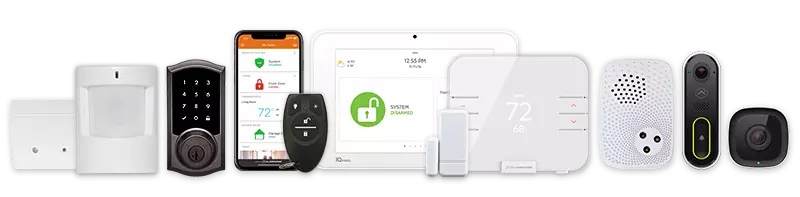
A commercial alarm system is your first line of defense. Modern alarm systems include motion detectors, door and window sensors, glass-break sensors, and carbon monoxide or smoke detectors that tie into a centralized security management system. When something triggers an alert, your monitoring team and law enforcement can be notified almost instantly.
Intrusion detection goes beyond just sounding an alarm. Advanced commercial security systems use sensor data, analytics, and remote monitoring to identify suspicious patterns before a break-in even happens. This proactive approach is especially valuable for businesses that store high-value inventory or operate in areas with higher crime rates.
Surveillance Camera Systems
A well-designed security camera system does more than record footage. Business security cameras serve as a deterrent against theft, vandalism, and burglary. Commercial security camera options range from fixed indoor units to pan-tilt-zoom cameras for wide outdoor coverage, as well as night vision cameras for after-hours monitoring.
Closed-circuit television, or CCTV, remains a core part of most commercial surveillance setups.
Modern business video surveillance systems go further by incorporating video content analysis and AI, giving you smarter alerts and better insight into what is happening on your property around the clock.
Strategic security camera installation matters just as much as the hardware itself. Coverage gaps can create real vulnerabilities, and professional installation ensures that every blind spot is addressed from day one.
Access Control
Access control is one of the most overlooked aspects of commercial security. Rather than relying on traditional keys that can be lost or copied, access control system components like digital card readers, keypads, and intercom systems give you full control over who enters specific areas of your building.
For businesses with multiple employees, contractors, or shifts, access control installation adds a layer of physical security that cameras and alarms alone cannot provide. You can restrict access by time of day, track entry and exit logs, and revoke access instantly when employment ends or a digital card is reported missing. Explore the full range of commercial access control solutions to find an approach that fits your layout and workflow.
Smart Technologies and Energy Management
Modern security technology does not stop at cameras and alarms. Smart technologies now integrate with HVAC systems, smart thermostats, lighting, and even refrigerators and water sensors to give you comprehensive control of your property through a single mobile device. This kind of integration supports both security and operational efficiency, helping you monitor everything from temperature fluctuations to energy usage from one platform.
For businesses with complex infrastructure, enterprise structured cabling services lay the physical foundation that makes all of these systems communicate reliably.
Step 3 – Choose the Right Security System for Your Business
Every business is different. A small business owner running a single retail location has very different needs than an enterprise managing multiple commercial properties. The type of security setup that works best for you depends on your square footage, number of employees, industry regulations, hours of operation, and budget.
For small business owners just getting started, a tailored security package with a commercial alarm, basic surveillance system, and access systems is often the most cost-effective starting point. As your business grows, you can layer in additional security features without starting from scratch.
For larger operations, multi-site enterprise security management allows you to monitor and manage security data across locations from a centralized platform. This is especially important for ensuring your business stays protected as it scales.
Step 4 – Work With a Qualified Commercial Security System Installer
This is where a lot of businesses go wrong. The installation process is not something to shortcut. Improper wiring, poor camera placement, and misconfigured alarm systems can leave your entire setup ineffective and may even void warranties or violate insurance requirements.
Professional commercial security system installers understand the technical requirements of installation, including structured cabling, network configuration, integration with fire safety systems, and compliance with local regulations. Security system installers can help you avoid costly mistakes by getting it right the first time.
When evaluating a security installer or security company, look for verified credentials, an A+ BBB rating, UL-certified monitoring, and clear pricing with no hidden fees. A good commercial security system installer will not pressure you into a subscription business model you do not need. They will listen, assess, and recommend a tailored security solution based on your actual situation rather than offering a one-size-fits-all package.
True Home Protection has been helping businesses protect their property since 2011, offering advanced commercial security systems with no-contract options, same-day service, and a limited lifetime warranty. Whether you need a new business setup or want to enhance security on an existing system, the team is ready to help.
Step 5 – Plan for Ongoing Monitoring and Maintenance
Learning how to set up a commercial security system is only half the work. Best practices in commercial security include regular testing of alarm devices, smoke detectors, and motion detection sensors to confirm everything is functioning as expected. Security incidents often happen when systems are outdated, improperly maintained, or operating with minimal security coverage during off-hours.
UL-certified alarm monitoring ensures that trained professionals are watching over your property 24 hours a day, sending alerts via text messaging or phone the moment something triggers your system. This level of oversight is what separates a truly advanced commercial security setup from a basic camera and alarm combo.
Make sure your security team has a clear communication plan for emergencies, and review your security measures at least once a year or whenever your business operations change significantly.
Conclusion
Setting up a commercial security system does not have to be a stressful process. Start with a clear assessment of your business needs, build your system in layers, and work with experienced security professionals who offer transparent pricing and proven results. True Home Protection makes it straightforward to get the right security in place without the confusion or hidden costs. Call +1-800-393-6461 or visit us to get started today.