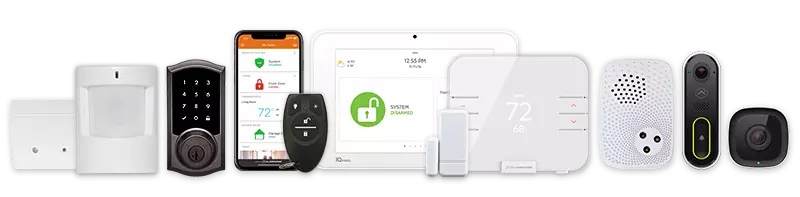
Creating a secure home environment is essential for peace of mind, and a properly installed motion detector is a key component of an effective home security system.
If you’re unsure about the best strategies for motion detector placement, you’re in the right place. This guide will help you maximize the efficiency of your security system.
How Motion Sensors Work
To place motion sensors effectively, it’s crucial to understand how they function. Motion sensors use various technologies to detect motion, such as:
- PIR (Passive Infrared) sensors: These sensors detect changes in heat emitted by living beings. They are a common type of motion sensor and work best in climates where temperature fluctuations are limited.
- Microwave sensors: Using microwave pulses, these sensors can penetrate walls and other barriers. However, their sensitivity can lead to false alarms.
- Ultrasonic sensors: These sensors emit ultrasonic waves and measure the reflection off moving objects.
- Vibration sensors: They respond to physical disruptions, making them effective in certain security scenarios.
By understanding how these sensors work, you can improve your home safety by selecting and installing the right motion detector.
Best Placement for Motion Sensors
Determining the best placement for motion sensors in your home is essential to ensure they can effectively detect when someone enters or moves within your space. Here are some placement tips:
Key Locations for Motion Sensors
Learn where to place motion sensors for optimal coverage:
- Entry Points: Install motion sensors near doors and windows. These locations are critical as they mark common entry points for potential intruders.
- High-Traffic Areas: Motion sensors work best in areas like hallways and foyers, effectively picking up movement in these zones.
- Staircase Coverage: Placing a sensor covering the staircase ensures that any motion is detected as someone moves between floors.
- Garage and Basement: Consider installing sensors in the garage and basement, as these are often overlooked areas of your home.
Avoid Poor Placement
Proper placement of motion sensors ensures they function optimally without unwanted disruptions:
- Avoid placing sensors near direct sunlight or heat sources like radiators and hot air vents, as these can confuse the sensor.
- Keep your motion devices clear of obstructions like walls or furniture to maintain a clear field of view.
- Ceiling placement can be helpful if you need to cover a view of the room without wall installation.
How Motion Sensors Work Best
Properly placed motion detectors can greatly enhance your security system. Pairing motion sensors with security cameras and contact sensors offers a comprehensive home security array. Here are some tips on ensuring your sensors perform optimally:
- Away from the sensor: Ensure objects like walls or furniture don’t obstruct the sensor’s field of view.
- Towards the sensor: Arrange passageways or areas so that movements go toward the sensor, not sideways, to leverage side-to-side motion detection.
- Indoor motion sensor arrangement: Placing a motion sensor in the corner of the room can maximize coverage.
Enhance Your Home Security System
For a home security system that’s both reliable and efficient, take the time to carefully plan the placement of your sensors. A well-placed motion detector can be the difference between timely alerts and false alarms. Consider pairing motion sensors with security cameras and a comprehensive home security system for robust, overarching protection.
If you’re ready to enhance your home’s safety, explore True Home Protection’s comprehensive home security systems. Their expert advice and innovative solutions can help you install motion sensors effectively.
Conclusion
Your home security decision-making doesn’t have to be confusing. By understanding the technology behind motion sensors and installing them strategically around high-risk areas, you can ensure better protection for your household. For more advice and the latest insights into home safety, follow updates from trusted experts in the field and take action today to protect what matters most. Contact us now.