Keeping your home safe used to be a matter of sturdy locks and maybe a motion sensor light.
Now, with the rise of smart home technologies, safety and convenience are just a voice command away. But in our pursuit of innovation, many homeowners in Texas are starting to ask a critical question: What are the privacy concerns that come with our smart home devices?
If you’re feeling overwhelmed or unsure about the security of your connected home, you’re not alone. Let’s break it all down, from understanding the risks to protecting your home with smarter security measures.
Understanding the Smart Home Ecosystem
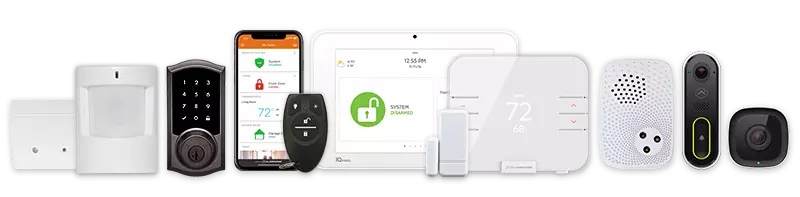
A smart home is a residence equipped with devices and systems that automate and streamline everyday tasks. These might include:
- Smart thermostats that adjust your home’s temperature automatically
- Smart speakers like Amazon Echo or Google Nest
- Smart TVs, lights, doorbells, locks, and appliances
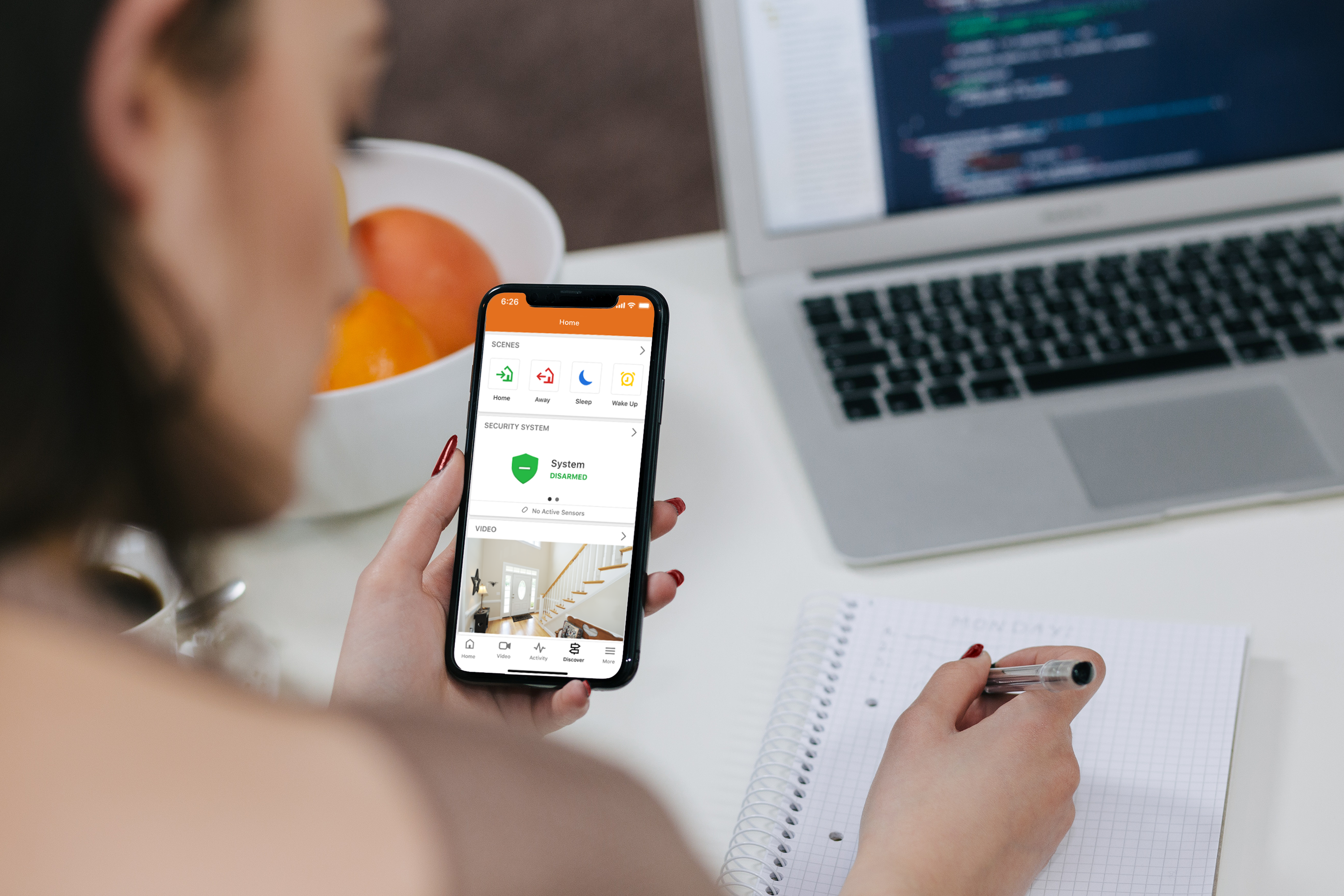
- Security cameras and motion sensors integrated with a mobile app
These gadgets are part of an interconnected smart home ecosystem communicating over your home network using Wi-Fi, Bluetooth, or other communication protocols. While the convenience is undeniable, every smart device opens another window into your private life.
What Smart Home Devices Can Really “See” and “Hear”
Many smart home devices are always-on and collecting data. This helps them learn your routines, preferences, and even your behavior patterns. Here’s what smart home data these devices may be gathering:
- Voice commands to your virtual assistant
- Temperature settings on your smart thermostat
- TV shows you watch on Smart TVs
- Door entry times via your smart lock or smart doorbell
- Appliance usage from your smart oven or smart refrigerator
These pieces of sensitive information, when combined, paint a vivid picture of your habits, presence at home, and identity. With poor network security, this data could be leveraged by bad actors.
Key Smart Home Privacy Concerns in Texas
Just like you’d lock your front door, you need to lock down your digital entrances. Here are the top privacy concerns associated with smart homes:
1. Data Collection Without Clear Consent
Most smart home devices collect more data than you think. From your daily routines to conversations, the data is often stored on cloud servers by smart home manufacturers like Amazon or Google.
- Problem: Users rarely read or fully understand privacy policies
- Risk: Collected data may be used for targeted ads, sold to third parties, or accessed in a data breach
2. Lack of Transparency from Manufacturers
Not all privacy settings are easy to find, and devices may continue collecting personal data even when they appear inactive.
- Certain smart device features may allow listening or watching even in standby
- Software updates may alter privacy and security defaults without notice
3. Vulnerabilities to Cyberattacks and Malware
Your smart home network may be vulnerable to exploits. A single compromised device can open the door to your entire home network.
- Example: The Mirai malware turned IoT home devices into a botnet, crashing websites in a denial-of-service attack
- Threats include cybercrime, identity theft, or even real-world access to the home
Addressing Privacy in Smart Homes
The reality is that smart homes are vulnerable by nature. But that doesn’t mean we can’t take proactive steps. By following a few important guidelines, you can dramatically reduce the privacy and security risks associated with smart living.
Smart Security Measures Every Homeowner Should Take
Even in a highly-connected smart home environment, you can take control. Start by recognizing the difference between privacy and security, then apply both.
Secure Your Smart Home Network
The heart of any smart home is the Wi-Fi signal that connects all the dots. If your home network is loose, so is your data.
- Change the default router password and set a strong password
- Use WPA3 encryption on your Wi-Fi
- Create a separate network or VLAN for smart home devices
- Regularly update router firmware
These layers help enhance your home network security and fence off attacks targeting smart devices.
Control Device Permissions and Privacy Settings
Just like on your smartphone, don’t grant more access than a device needs. To protect your information privacy, take the time to:
Review app permissions on your mobile app dashboard
- Disable microphone or camera access when not needed
- Turn off “Always-On Listening” features in smart speakers
This reduces the potential privacy exposure directly within smart homes.
Choose Trusted Smart Home Manufacturers
Not all brands treat your data and privacy equally. When choosing devices such as smart thermostats, security cameras, or lighting control systems, opt for companies with:
- Transparent privacy policies
- A commitment to frequent and secure firmware updates
- End-to-end data encryption
Attach devices that truly protect your privacy and uphold your right to privacy.
Smart Home Security: Avoiding the Most Common Mistakes
Let’s talk about smart home security. The same features that make your home more convenient can become a security risk without careful setup.
Overreliance on Convenience
Features like unlocking your smart door by voice command or monitoring your home security through an app sound effortless, but these can also be an open door for hackers.
- Avoid default settings and quick setups
- Use multi-factor authentication where possible
- Always log out of remote access portals
Forgetting Physical Security
Never forget the basics. Smart home technologies are used for security, but don’t let digital solutions replace physical safeguards.
- Use closed-circuit television backup cameras
- Maintain window locks and motion sensors
- Block physical access to routers and devices
An extra layer of security goes a long way in mitigating both digital and physical security threats.
The Roles of Research, Transparency, and Consumer Education
The field of smart homes is evolving quickly, but so are the security vulnerabilities and privacy issues associated with it. Consumers in Texas need better information, not scare tactics.
Research and Regulation Need to Keep Up
The current landscape lacks clear policies for:
- Data sharing between devices and companies
- Transparency on what data is collected
- Clear accountability for breaches or cyberattacks
Conferences like the ACM Conference on Security and privacy-focused organizations are working to address gaps in privacy in wireless and mobile technology.
What Texas Consumers Can Do Right Now
If you’re a smart home user, don’t wait for the lawmakers. You can take control of your smart home privacy today:
- Audit every connected IoT device
- Turn off unnecessary tracking or features
- Apply all software updates regularly
- Research device brands before adding new tech
- Build a routine check-in for security systems
Explaining the Need for Better Privacy in the Smart Home Ecosystem
When it comes to privacy, clarity matters. Companies must design with the user (computing) in mind, with simplified language, visible settings, and upfront choices.
If you’re struggling to navigate your system’s privacy settings, this isn’t your fault. The development of smart devices outpaces public education. But a solid understanding can empower you to ask the right questions and make safe choices.
Address Privacy Concerns Before They Become Breaches
Bottom line: If you’re using smart home technologies in Texas, the responsibility of privacy and security is shared. You can’t rely solely on manufacturers or governments. The power is in your hands.
By adopting smart security measures, understanding how smart home data is used, and staying alert to potential risks associated with smart homes, you can confidently enjoy the benefits of home automation without sacrificing your digital safety.
Final Thoughts: Make Sure Your Smart Home is Truly Secure
Smart home technologies are here to stay, and they can bring true peace of mind when paired with smart decisions. But trust in smart tech doesn’t mean blind trust. Know how each device may impact your safety. Make it a habit to review your setup, secure your network, and stay educated.
At True Home Protection, we prioritize your security. Whether you’re exploring smart security systems or building your first smart home automation systems, we’re here to help Texans gain confidence in their connected lifestyles. Take action now:
Review your smart home setup, implement protective steps, and follow us for trustworthy updates on home tech and security. Let’s make sure your smart home is safer, smarter, and more private, together.