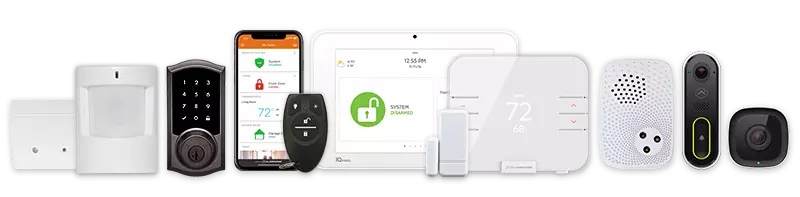
Running a business in San Antonio means dealing with real security concerns – theft, vandalism, liability disputes, and the constant need to know what’s happening on your property even when you’re not there. Traditional camera systems have done their job for decades, but they come with a ceiling. Local storage gets full. Hard drives fail. And if someone breaks in and takes the recorder, your footage goes with it.
Cloud-based business security camera systems solve all of that, and they’re quickly becoming the standard for businesses that take security seriously.
What Makes a Cloud-Based Security Camera System Different
The core difference is simple: instead of storing your footage on a local device, like a DVR or NVR sitting in a back office, cloud-based systems send that footage to secure, off-site servers over the internet. You can access it from anywhere, at any time, using a phone or computer.
This matters more than most business owners realize until something goes wrong. If a camera is damaged or stolen, the footage is already safe in the cloud. If you’re traveling and get a motion alert, you can pull up a live feed immediately. If an incident happens and you need to review footage from two weeks ago, it’s there – no digging through local hard drives or hoping the system didn’t overwrite it.
Cloud-based systems also update automatically, meaning the software powering your cameras stays current without requiring a technician to come out and manually apply updates.
Why San Antonio Businesses Are Making the Switch
San Antonio is a growing city with a diverse business landscape, from retail corridors along Loop 1604 to hospitality hubs downtown and industrial facilities along the south side. That growth brings opportunity, but it also brings increased foot traffic, higher crime exposure, and more complex security needs.
Businesses here are also dealing with Texas-specific challenges – extreme heat, the occasional severe weather event, and properties that often span large outdoor areas. Cloud-based camera systems are built to handle this. Modern commercial cameras are designed for outdoor use, rated for temperature extremes, and capable of transmitting footage reliably even in lower-bandwidth conditions.
For multi-location businesses, the case is even stronger. A business owner managing three or four locations across the San Antonio metro doesn’t need to drive to each site to review footage.
Everything lives in one dashboard, accessible from wherever they happen to be.
Key Features to Look for in a Cloud-Based Business Camera System
Not all cloud-based systems are created equal, and it pays to know what separates a solid commercial setup from a consumer-grade system that will frustrate you within six months.
Video Quality and Coverage
Resolution matters, but so does the lens angle and camera placement. For most commercial applications, 4K or at least 1080p cameras are worth the investment. You want to be able to identify faces, read license plates, and document specific details clearly – not just confirm that someone was present.
A good installer will walk your property and design a system that eliminates blind spots, rather than simply mounting cameras in obvious places and calling it done.
Storage Options and Retention
One of the biggest decisions with cloud-based systems is how long you need footage retained.
Some businesses are fine with 30 days; others – especially those in regulated industries or with high liability exposure – need 60 to 90 days or more.
Make sure you understand the storage plan before signing anything. Many providers offer tiered storage options, so you can match your retention needs to your budget without paying for more than you need.
Remote Access and Monitoring
This is the feature most business owners cite as the biggest game-changer. Being able to check in on your property from your phone at any hour, from anywhere, fundamentally changes how you manage security. Look for systems with mobile apps that offer live viewing, playback, motion alerts, and the ability to share clips with law enforcement or insurance providers.
Integration with Other Security Systems
A camera system that works in isolation is only part of the picture. The most effective setups integrate video surveillance with access control, alarm systems, and motion detection. When a door is opened after hours, you want both an alarm trigger and a camera recording the event – simultaneously. That kind of layered protection is what separates a reactive system from a proactive one.
According to the National Institute of Justice, businesses that combine surveillance cameras with other security measures see significantly better outcomes in both deterrence and evidence collection.
What to Expect from a Professional Installation in San Antonio
DIY camera kits have their place – mainly in small residential settings. For a business, professional installation isn’t optional; it’s the foundation of a system that actually works.
A proper commercial installation starts with a site assessment. The installer evaluates your property layout, identifies vulnerable entry points, considers lighting conditions, and recommends camera types and placements accordingly. This isn’t a one-size-fits-all process.
Wiring, network configuration, and integration with existing systems all need to be handled correctly. A poorly configured system might record footage but fail to transmit it reliably, or drop connectivity during critical moments. That’s not a risk worth taking when the footage might be needed for an insurance claim or police investigation.
True Home Protection has been serving Texas businesses since 2011, and their team understands what commercial properties in San Antonio actually need – not just what looks good on a spec sheet. They offer same-day service, commercial-grade equipment, and no-contract options, which is worth noting if you’ve been burned by rigid service agreements before.
How Cloud Storage Affects Cost (and What’s Worth Paying For)
One common concern is the ongoing cost of cloud storage. It’s a fair question. Unlike a traditional system where you buy the hardware and you’re done, cloud-based systems typically involve a monthly fee for storage and remote access features.
The honest answer is that it’s usually worth it. The cost of a single theft incident, liability claim, or compliance failure will almost always exceed years of cloud storage fees. And when you factor in the reduced maintenance costs, automatic updates, and eliminated risk of local hardware failure, the math often favors the cloud.
That said, pricing should be transparent. If a provider can’t clearly explain what you’re paying for each month and what happens if you cancel, that’s a red flag.
Getting Started with a Cloud-Based Camera System in San Antonio
If you’re ready to move beyond outdated local recording systems, the first step is a conversation with someone who can actually assess your property and give you honest recommendations – not a sales pitch built around the highest-margin package.
For businesses that want a complete security approach, True Home Protection offers comprehensive business security systems that go beyond cameras alone, covering everything from alarm monitoring to access control and structured cabling. Whether you’re a single-location shop or managing multiple properties across San Antonio, the right system should be built around how your business actually operates.
The goal isn’t just to record what happens. It’s to prevent problems before they start, respond faster when they occur, and have the documentation to protect your business when it matters most.
If you’re ready to talk through your options, call True Home Protection at +1-800-393-6461 to schedule a consultation and find out what a well-designed cloud-based system would look like for your property.