Austin, Texas has a crime problem that many residents know all too well. Property crime, vehicle theft, and break-ins have remained persistent challenges across the city’s neighborhoods and commercial corridors. But in recent years, Austin has started leaning on something new to fight back: artificial intelligence-powered surveillance technology.
This is not science fiction. It is happening right now, and it is changing how law enforcement, city leaders, and even private property owners think about security.
What AI-Powered Surveillance Actually Means
Before diving into what Austin is doing, it helps to understand what “AI-powered surveillance” actually refers to in plain terms.
Traditional closed-circuit television (CCTV) cameras record footage passively. Someone – usually a human – has to review that footage after an incident occurs. Artificial intelligence changes that dynamic by enabling cameras and software to analyze video data in real time, flag unusual behavior, and alert authorities automatically.
This includes tools like anomaly detection, which identifies suspicious patterns of movement, and automatic number-plate recognition (also called license plate recognition), which scans and cross-references vehicle registration plate data against law enforcement databases. These technologies transform passive cameras into active crime prevention tools.
How Austin Is Using This Technology
The Role of the Austin Police Department
The Austin Police Department has been at the center of the city’s push toward AI-driven surveillance. Officers have increasingly relied on camera networks and data analytics to respond faster to incidents and identify suspects after crimes are committed.
One major player in this space is Flock Safety, a company that provides license plate reader cameras used by police departments across Texas and the United States. These cameras capture vehicle data and transmit information directly to law enforcement in real time. Austin has deployed Flock Safety systems in several areas to help combat vehicle theft and property crime.
LiveView Technologies and Portable Surveillance
Another tool Austin has explored is infrastructure from LiveView Technologies, which provides portable, solar-powered surveillance units. These can be deployed rapidly in high-crime areas, parking lots, or construction sites without the need for complex wiring or permanent installation.
This flexibility has made them popular not just with police but also with businesses and property managers who want visible deterrents in specific locations.
Austin City Council and the Policy Debate
The use of AI-powered surveillance has not gone without scrutiny. The Austin City Council has faced ongoing debates about how to balance public safety with civil liberties.
Advocates like council member Chito Vela have pushed for stronger oversight policies around how personal data collected by surveillance systems is stored, shared, and accessed. Concerns have been raised about data sharing with outside agencies, including ICE, which prompted intense discussion about the ethical limits of surveillance technology.
Voices like journalist Lilliana Segura and community organizers such as Aniyah Williams have highlighted the risks these technologies pose to marginalized communities, particularly when it comes to the right to privacy and the potential for misuse of personal data collected without explicit consent.
This tension – between effective crime prevention and protecting civil liberties – is something Austin is still actively working through at the policy level.
What the Data Says About Crime in Austin
The Federal Bureau of Investigation’s Uniform Crime Reports provide a national benchmark for tracking crime trends. According to available data, property crime remains one of the most common categories of criminal activity in Texas cities, including Austin.
Theft, vehicle break-ins, and burglary continue to affect both residential and commercial properties. Proactive surveillance paired with faster police response has shown promise in reducing some of these incidents, though researchers caution that technology alone is not a silver bullet.
It is also worth noting that AI surveillance systems are not immune to errors. False alarm rates remain a concern, as systems may flag behavior that turns out to be completely ordinary. This is why human oversight remains a critical part of any responsible surveillance program.
Privacy Concerns Every Austin Resident Should Know About
If you live or own a business in Austin, Texas, it is reasonable to ask what happens to the data collected by surveillance cameras near your property.
Here are a few questions worth thinking about:
- Who has access to the footage or license plate data captured near your home or business?
- Is there a clear policy on how long that data is retained?
- Can that information be shared with agencies beyond the Austin Police Department?
- Does the system collect personal data beyond basic vehicle or location information?
These are not paranoid questions. They are reasonable ones, and they are the same questions the Austin City Council has been wrestling with. If you are considering installing surveillance for your own property, understanding these dynamics helps you make smarter decisions about the technology you choose and the company you trust.
What This Means for Austin Homeowners and Business Owners
The citywide push toward AI surveillance is a signal, not just a government story. It reflects a broader shift in how Texas communities think about security infrastructure.
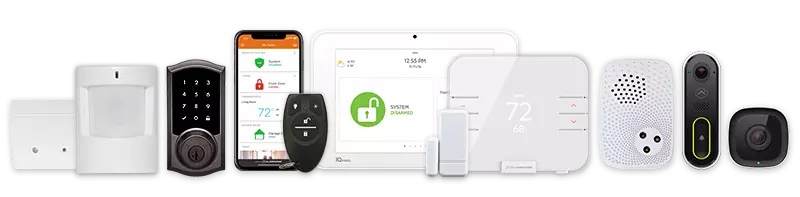
For residential property owners, this means that the gap between consumer-grade cameras and professional surveillance systems is narrowing. Modern residential camera systems now offer features like motion-triggered alerts, remote monitoring through a home security app, and video analytics that were once exclusive to law enforcement.
For businesses, especially those in areas with elevated property crime or vehicle theft risk, commercial-grade CCTV video surveillance systems and access control tools have become less of a luxury and more of a baseline expectation.
Austin’s experience also reinforces a simple truth: visible security measures deter crime.
How True Home Protection Helps Austin-Area Residents and Businesses
True Home Protection has been helping Texas homeowners and business owners navigate security decisions since 2011. With no-contract options, transparent pricing, and same-day service, the company takes a straightforward approach to protecting what matters most.
For homeowners, that might mean a residential camera and video monitoring setup tailored to your property. For businesses, it could mean a full CCTV video surveillance system or an access control installation that limits who can enter sensitive areas.
What sets True Home Protection apart is not just the equipment – it is the guidance. Understanding how surveillance tools work, what data they collect, and how to use them responsibly is part of the service.
What Austin’s AI Surveillance Shift Means for Property Owners
Austin is actively using AI-powered surveillance and camera technology to reduce crime, but questions around privacy, consent, and data sharing remain central to the conversation. Whether you are a homeowner or a business owner, the takeaway is clear: waiting for city infrastructure to protect your property is not a strategy. If you are ready to take a proactive step, explore True Home Protection’s residential cameras and video monitoring solutions to find the right fit for your property. You can also reach the team directly at +1-800-393-6461.