Running a restaurant or bar in Houston comes with a unique set of challenges. You are managing staff across multiple shifts, handling cash transactions, watching over a busy dining room, and keeping an eye on the parking lot, all at the same time. Security cameras are not a luxury in this environment. They are a practical tool that protects your business, your employees, and your customers every single day.
But not every camera system is built for this kind of setting. The right setup for a Houston bar or restaurant looks very different from what you would install in an office or a retail store. Here is what you actually need to know before making that investment.
Why Restaurants and Bars in Houston Face Unique Security Challenges
Houston is one of the largest cities in the country, and its hospitality scene is massive. That scale brings real risk. Bars and restaurants deal with late-night crowds, alcohol-related incidents, employee theft, dine-and-dash situations, and liability claims that can get expensive fast.
In a high-volume environment, disputes happen. A customer claims they were overcharged. An employee says they were not involved in a cash shortage. A slip-and-fall incident occurs near the bar. Without video footage, you are left trying to resolve these situations based on conflicting accounts. With a solid camera system, you have clear evidence that protects everyone.
What to Look for in a Restaurant or Bar Security Camera
Low-Light and Night Vision Performance
Most bars operate in dimly lit environments by design. If your cameras cannot handle low light, you will end up with grainy, unusable footage at exactly the moments you need it most. Look for cameras with wide dynamic range (WDR) and true low-light capability, not just basic infrared night vision.
Wide-Angle Coverage for Busy Spaces
Restaurants and bars tend to have open floor plans, long bar counters, and multiple points of entry. A wide-angle lens, typically 90 degrees or more, lets a single camera cover a larger area without sacrificing image quality. Fewer blind spots mean fewer opportunities for problems to go undetected.
High Resolution for Clear Identification
When something goes wrong, you need footage that actually holds up. A camera with at least 1080p resolution is the minimum standard today, and many commercial setups now use 4K cameras in key areas like registers and entrances. Higher resolution means clearer faces, readable license plates, and footage that is useful in court or for insurance claims.
Audio Recording Capability
In some situations, audio matters just as much as video. Disputes between staff and customers, altercations at the bar, or verbal agreements between employees can all be captured with cameras that include built-in microphones. Just be aware that Texas has specific laws around audio recording in workplaces, so it is worth confirming your setup is compliant.
Remote Access and Cloud Storage
Being able to check your cameras from your phone while you are off-site is no longer a nice-to-have. It is expected. Cloud-based storage also protects your footage from being tampered with or destroyed on-site, which matters more than most business owners realize until they need it.
The Best Camera Placements for Restaurants and Bars
Knowing which cameras to buy is only half the battle. Where you put them is just as important.
- At the point of sale. This is where employee theft most commonly occurs. A camera positioned with a clear view of the register, the cash drawer, and the transaction screen can deter dishonest behavior and resolve disputes about transactions.
- At every entrance and exit. You want to know who is coming in and out, especially during late-night hours. This includes back doors and side entrances that staff use, not just the front door.
- Over the bar counter. This is one of the highest-risk areas in any bar or restaurant. Inventory theft, over-pouring, and customer disputes tend to happen here. A camera mounted at an angle that captures both the bartender and the customer provides the most useful coverage.
- In the parking lot. Incidents that happen outside your building can still become your liability, especially if the situation escalated inside first. Good exterior cameras with night vision and weatherproofing are essential in a city like Houston, where the weather can be unpredictable.
- In the kitchen. Food safety violations, workplace injuries, and employee conflicts do not always happen where customers can see them. A kitchen camera protects you legally and can also improve accountability among back-of-house staff.
How Many Cameras Does a Restaurant or Bar Actually Need?
This depends entirely on the size and layout of your space. A small neighborhood bar might be well covered with six to eight cameras. A large restaurant with a full bar, private dining rooms, and a parking lot might need twenty or more.
According to the Texas Alcoholic Beverage Commission (TABC), certain licensed establishments are already required to maintain surveillance footage under state regulations. If your business holds a TABC license, it is worth reviewing those requirements before choosing your system.
A professional security assessment will give you a more accurate picture than any general guideline can. The layout of your space, your hours of operation, and your specific risk areas all factor into the right camera count.
Why Commercial-Grade Equipment Matters
There is a temptation to save money by going with consumer-level cameras from a big-box store. For a home, that might be perfectly fine. For a restaurant or bar operating late into the night with dozens of people on camera at any given time, it is not enough.
Commercial-grade cameras are built to run continuously without overheating, hold up to humidity and grease common in food service environments, and integrate with professional monitoring systems. They also tend to offer better warranty coverage and more reliable technical support when something goes wrong at two in the morning.
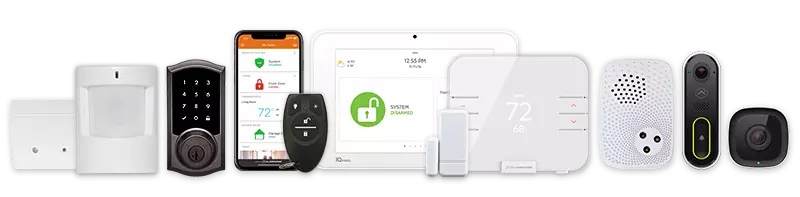
True Home Protection installs comprehensive video surveillance solutions designed specifically for commercial environments like restaurants and bars. The equipment is built to handle the demands of a high-traffic business, and the systems are backed by UL-certified monitoring and a limited lifetime warranty.
What About System Integration?
A security camera system does not have to work in isolation. Many restaurant and bar owners in Houston are also investing in access control systems to manage who can enter certain areas, like the back office, the liquor storage room, or the server station. Pairing cameras with access control gives you a more complete picture of what is happening throughout your space.
Energy management and remote monitoring are other features worth considering, especially if you have a large footprint or multiple locations.
Getting the Right Setup for Your Houston Business
Every restaurant and bar is different. A high-energy sports bar on Westheimer has different security needs than a quiet fine dining establishment in the Galleria area. Cookie-cutter solutions rarely deliver the protection that Houston businesses actually need.
The best approach is to work with a local security company that understands the Houston market, can assess your space in person, and will design a system around how your business actually operates, not a generic template.
True Home Protection has been serving Texas businesses since 2011, offering same-day service, no hidden fees, and no long-term contracts. If you are ready to get serious about protecting your restaurant or bar, call +1-800-393-6461 to schedule a consultation and find out what the right camera system looks like for your specific space.
Choosing the Right Security Cameras for Restaurants and Bars in Houston
Security cameras for restaurants and bars are not just about catching thieves. They protect your staff, your customers, your license, and your reputation. In a city as active as Houston, having the right system in place is simply good business sense.
Do not settle for a setup that was designed for someone else’s space. If you want a system built around the real demands of food and beverage operations, start by exploring what is possible with purpose-built commercial security.