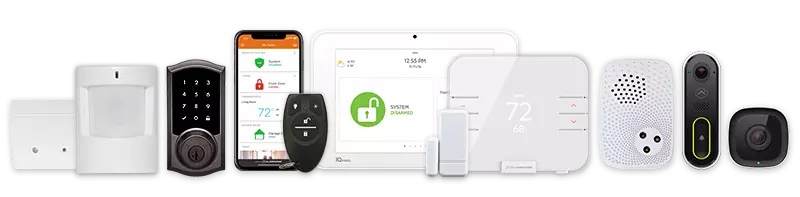
If your security system is still relying on sirens and sensor alerts alone to stop a break-in, you might be working with an outdated playbook. Traditional alarm systems have done their job for decades, but they come with a serious flaw: they cannot tell the difference between a real threat and a tripped sensor caused by a wandering pet or a rattling door.
That flaw has real consequences. False alarm rates from conventional security alarm systems are staggeringly high, and law enforcement agencies across Texas and the rest of the country have grown increasingly cautious about responding to unverified calls. Some jurisdictions have even introduced fines or slow-response policies for repeat false alarms.
Video verification alarms change that equation entirely. Here is why they represent one of the most meaningful upgrades available in modern security technology.
What Is a Video Verification Alarm?
A video verification alarm combines a traditional sensor-based alarm device with live or recorded video camera footage. When an alarm signal is triggered, instead of automatically dispatching police or sending a generic alert, the monitoring center can review actual visual information from the scene before deciding how to respond.
This is not just a feature tweak. It is a fundamentally different communication protocol between your security infrastructure and the people responsible for acting on it.
Some well-known names in the industry have developed their own takes on this technology.
Services like Pulse Video Verification Service and platforms connected to companies such as ADT Inc., SimpliSafe, and Bay Alarm have all incorporated some form of video verification into their offerings. The core concept is the same: pair the alarm signal with visual confirmation so that response decisions are based on real information, not assumptions.
Why Traditional Alarms Fall Short
To understand the value of video verification, it helps to understand why standard systems have limitations.
A conventional security alarm is essentially a sensor network. Door contacts, motion detectors, and glass-break sensors are all designed to detect a change and trigger an alert. The problem is that sensors cannot interpret context. A door sensor does not know whether someone broke in or whether the wind pushed it open.
A motion detector does not know whether it caught a burglar mid-crime or a family member walking to the kitchen at 2 a.m.
The result is a high volume of false alarms. Studies and industry reports consistently show that the overwhelming majority of alarm activations are not tied to actual burglary, robbery, or other criminal activity. When police receive repeated calls that turn out to be nothing, response times for real emergencies can suffer, and some departments have adopted verified response policies that prioritize confirmed incidents.
This is not a criticism of older technology. It was the best available at the time. But the landscape has changed significantly.
How Video Verification Improves Security Response
When a video camera is integrated into your alarm system, the monitoring center gains the ability to visually assess what is happening at your property before escalating to law enforcement. If surveillance footage confirms an intruder is present, the call to police becomes far more urgent and credible. Officers know they are responding to a confirmed crime in progress, not a potential false alarm.
This shift matters in practice. Law enforcement agencies are more likely to respond quickly and with appropriate resources when a verified alarm is reported. The video evidence also begins building a record of the incident from the moment it starts, which can be critical during investigation and prosecution.
For businesses managing commercial properties, this added layer of credibility is especially important. A security alarm at a warehouse or retail location that triggers a verified call to police, backed by closed-circuit television footage, is far more actionable than an anonymous alert.
Faster Response, Better Outcomes
Speed is everything in a security emergency. Video verification reduces the hesitation that can occur when monitoring centers deal with unverified signals. Instead of following a slow protocol designed to account for uncertainty, operators can move quickly and communicate clearly with law enforcement because they have visual confirmation.
This improved communication protocol can mean the difference between catching a suspect on site and arriving to an empty building an hour later.
Video Verification and Smart Home Integration
Modern video verification systems do not operate in isolation. They connect with broader smart home and business security platforms, giving property owners real-time access to information through a mobile app.
True Home Protection offers integrated solutions that bring together residential cameras, video monitoring, and alarm systems into a single, manageable platform. When your video camera network is tied into your alarm infrastructure, you can check in remotely, receive verified alerts, and stay informed without being overwhelmed by noise from false triggers.
This kind of integration also supports fire alarm system connectivity, access control, and health and wellness sensors, which means your entire property can be monitored under one framework rather than a patchwork of disconnected devices.
Key Advantages of Video Verification Alarms
Rather than walking through every technical detail, here is a straightforward breakdown of why this upgrade makes sense:
- Fewer false alarms – Visual confirmation filters out the vast majority of non-threatening triggers before law enforcement is involved.
- Faster police dispatch – Verified calls are treated with higher priority by law enforcement, improving response times for genuine emergencies.
- Real-time surveillance access – You can see what is happening at your property from anywhere, not just receive a ping that something tripped a sensor.
- Stronger evidence collection – Footage captured during an incident supports investigations into burglary, robbery, and other crimes.
- Reduced liability – Fewer false alarm calls mean fewer potential fines from jurisdictions with verified response policies.
Is Video Verification Right for Your Property?
If you are a homeowner in Texas looking to move beyond a basic alarm device, video verification is worth serious consideration. The technology is no longer reserved for large commercial installations. Affordable, scalable solutions are available for apartments, single-family homes, and small businesses alike.
For commercial properties, the case is even clearer. The combination of closed-circuit television coverage, verified alarm monitoring, and integration with access control systems gives business owners a comprehensive view of their security posture at all times.
True Home Protection’s residential cameras and video monitoring solutions are built to work within this kind of integrated framework, whether you are upgrading an existing system or starting fresh.
Why Video Verification Alarms Are Worth the Upgrade
Video verification alarms close the gap between a triggered sensor and a confirmed threat, making your security system significantly more effective and reducing the burden of false alarms on both you and law enforcement. For Texas homeowners and business owners who want a smarter, more responsive solution, this upgrade is one of the most practical investments available. If you are ready to take the next step, explore True Home Protection’s residential cameras and video monitoring options or call +1-800-393-6461 to talk through the right setup for your property.