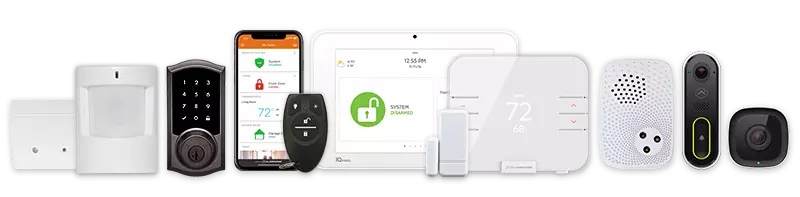
Technology used to feel complicated. Today, it is quietly working in the background of your home or business, helping you monitor, detect, and respond in real time.
At the center of it all is the sensor.
A sensor measures changes in the environment, such as temperature, motion, light, pressure, or humidity, and turns that measurement into usable data. With the rise of the Internet of things, or IoT, these devices are now connected through a computer network, often over Wi-Fi or Zigbee, allowing them to communicate, automate, and improve daily life across Texas homes and commercial spaces.
If you have ever wondered how smart buildings detect movement, manage energy consumption, or prevent a leak, this guide will walk you through the main types of smart sensors powering modern living and business operations.
What Is a Smart Sensor?
Before diving into the different types of smart sensors, let us clear something up.
A smart sensor is a device that not only captures information but can also process data and transmit it through communication technology to other systems or connected devices. Inside many modern units, you will find a microprocessor and an analog-to-digital converter. That combination allows the sensor to convert raw signals from the natural environment into digital information your control system can understand.
Traditional sensors simply collect information. Smart sensor technology goes further. It can analyze patterns using an algorithm, reduce false alarm risks, and send real-time data to your smartphone or cloud computing platform.
When these devices connect together, they form a sensor network. In advanced setups, they even become part of a smart sensor network that supports automation across homes, offices, and are commonly used in industrial environments.
Now, let us look at the 10 main types of smart sensors you will see in residential and commercial spaces.
Motion Sensors: Detecting Movement Before It Becomes a Threat
A motion sensor is one of the most recognizable security tools. It is designed to detect motion within a defined space.
Most systems use an Infrared sensor that reads heat changes in a room. When a person enters the area, the infrared pattern shifts, triggering a signal. Some smart motion sensors combine infrared with acoustics or vibration detection for greater accuracy.
In Texas homes and offices, these sensors are often installed:
- Near entry points like a door or garage door
- In hallways or open office spaces
- Around inventory storage areas
A motion detector can reduce false alarm issues by using intelligent sensor logic. That means pets or minor air flow disturbances are less likely to trigger alerts.
Paired with professionally monitored home security systems, motion sensors are used to monitor break-ins and unusual activity 24/7.
Door and Window Contact Sensors: Securing Entry Points
Door and window sensors, also known as contact sensors, work using magnets. When a door or window opens, the magnetic connection breaks, and the sensor sends a notification.
A contact sensor is also commonly connected to a smart garage door system. If someone leaves it open overnight, you will know instantly.
These sensors are often used as a base sensor layer in home security systems because:
- They detect entry before someone gets far inside
- They integrate seamlessly with home security and automation
- They require minimal wiring, often operating as wireless sensor units
Sensors are often used at entry points first because they provide early warning. When connected to advanced home video monitoring, you can immediately see what triggered the alert.
Temperature Sensors and Smart Thermostats
A temperature sensor plays a critical role in heating, ventilation, and air conditioning systems. It monitors climate conditions inside your property and communicates with a thermostat.
A smart thermostat uses a smart temperature reading to adjust heating or cooling automatically. This improves Thermoregulation and supports efficient energy use. Sensors are used to monitor changing heat levels so your system only runs when necessary.
That reduces electric energy consumption and extends equipment life, including appliances like a refrigerator, where a stable temperature protects food safety. In Texas, where the weather can shift quickly, having responsive sensors provides better energy management and comfort.
Humidity Sensors: Managing Moisture and Comfort
Humidity sensors are used to measure moisture levels in the air. Excess humidity can cause mold, damage metal components, and impact health.
A humidity sensor helps:
- Protect flooring and walls from long-term water damage
- Improve air comfort
- Support HVAC balance
- Prevent problems during extreme weather
Temperature and humidity data together create smarter climate control. An indoor air quality sensor may combine both into a temperature and humidity measurement unit.
Humidity sensors are used in smart homes and used in industrial settings like manufacturing or food storage. Smart sensor applications like this protect both property and people.
Smoke and Gas Sensors: Detecting Hidden Dangers
Smoke, carbon, and gas sensors can save lives. They detect changes in air composition, including oxide gases and oxygen displacement.
These sensors monitor harmful conditions and trigger immediate alerts. In advanced setups, imaging sensors or thermography tools help detect heat signatures behind walls.
Sensors are used to monitor environments where combustion or equipment faults could create unseen risks. Integrated with smart home automation solutions, they can even shut down systems automatically when threats are detected.
Water Leak and Level Sensors
Water damage is one of the most expensive issues property owners face.
A level sensor detects rising fluid levels, while leak sensors detect unexpected moisture on surfaces. Whether under a sink or near a water heater, these devices alert you at the first sign of trouble.
Sensors are used to monitor pipe systems, helping prevent structural damage and protecting items stored in basements or storage rooms.
In business environments, pressure sensors are sometimes installed alongside leak detection systems to measure force and system pressure changes in plumbing networks.
Light and Proximity Sensors for Automation
A light sensor responds to changes in lighting conditions. They are often used in a lighting control system for indoor and outdoor spaces.
Sensors enable automation by adjusting brightness based on daylight. That improves energy efficiency and reduces unnecessary energy consumption. A proximity sensor works slightly differently. It detects nearby objects without physical contact.
In security and robotics applications, proximity technology helps manage automated doors and restricted access areas. Smart sensor devices like these support both convenience and safety.
Air Quality Sensors: Protecting Health and Productivity
With growing concerns about air pollution and indoor air quality, sensors are used to monitor air quality inside buildings. An indoor air quality sensor can detect particulate matter, dust, pollution, and harmful gas levels.
Air quality systems are particularly important in facilities concerned with health care, oxygen balance, and safety standards. Sensors are used to monitor air quality continuously, helping building managers respond quickly to poor conditions. These sensors are often part of a smart building’s control system.
When businesses in Texas invest in commercial energy management solutions, air monitoring often plays a key role in efficient system performance.
Vibration and Pressure Sensors in Commercial Spaces
Vibration sensors are commonly used in industrial IoT and manufacturing settings. They detect unusual frequency changes in machinery.
Pressure sensors measure force within hydraulic or fluid systems. They are considered smart sensors when they include onboard computing and communication features. Sensors are often used in industrial equipment to detect early signs of failure. That reduces downtime and supports predictive maintenance strategies.
Smart sensor networks in business environments allow managers to monitor multiple nodes across a facility from one dashboard.
Imaging and Infrared Sensors for Video Surveillance
Imaging sensors capture visual information. Combined with infrared capabilities, they allow monitoring even in low-light conditions. Advanced home video monitoring integrates these sensors into intelligent security systems. Video data supports investigations and real-time response.
Infrared technology helps detect intruders without visible lighting. That matters for perimeter protection around smart buildings to detect unauthorized activity. When paired with customizable business security systems, these Sensor-based tools strengthen commercial protection across offices, warehouses, and retail properties in Texas.
How the Internet of Things Connects It All Together
Internet of Things sensors rely on secure internet connections to share information between devices. In a typical setup, each node in the wireless sensor network sends signals to a central control system.
IoT applications range from home automation and garage door control to industrial IoT infrastructure and smart cities development. IoT technology allows devices to communicate with external devices, send alerts to smartphones, and support cloud-based monitoring.
The true power of IoT is not just the hardware. It is how sensor data is analyzed through artificial intelligence and real-time computing.
Traditional Sensors vs Smart Sensor Devices
Traditional sensors measure a parameter and send a basic signal. Smart sensor technology adds:
- Embedded processing
- Data filtering to avoid false alarm triggers
- Network connectivity
- Integration with an Actuator for automated responses
A smart transducer may include built-in electronics that allow it to function as part of a smart system rather than a standalone tool. Different types of sensor setups exist, but the different types of smart systems are defined by how intelligently they process and communicate data.
Where These Sensors Are Used in Texas
Across Texas, sensors are used in:
- Residential properties seeking stronger home security
- Commercial properties implementing automation and energy management
- Agriculture operations monitor soil moisture and soil conditions
- Health care environments tracking Environmental stability
- Smart city infrastructure aimed at reducing Pollution
These Internet of Things sensors are no longer experimental technology. They are practical tools that help property owners protect assets and improve daily operations.
Whether installed in a single-family home or used in industrial facilities, sensors provide valuable insight and control.
Choosing the Right Sensors for Your Property
With so many types of smart solutions available, it can feel overwhelming. Not every property needs every intelligent sensor.
Start by asking:
- What risks do I want to detect or prevent?
- Do I need to monitor environmental factors like temperature and humidity?
- Am I concerned about intrusion, air quality, or energy consumption?
The right sensor network should support your specific goals. It should also integrate cleanly with existing systems.
At True Home Protection, we help homeowners and businesses across Texas understand which sensors you can use without overcomplicating the process. Whether you need advanced intrusion detection or a smarter Automation setup, we focus on practical, reliable solutions.
Conclusion
The right sensor can do more than trigger an alarm. It can detect danger, monitor conditions, reduce energy consumption, and automate daily tasks. From motion sensor systems to humidity sensor tools, these technologies form the backbone of safer, more efficient properties across Texas.
If you are ready to explore smart home upgrades or protect your business with connected monitoring, True Home Protection can guide you through your options and design a system built around your specific needs. Reach out now.