
This step-by-step guide explains how professional security system installation works, what you can expect at each stage, and why the process matters. Understanding these steps helps homeowners feel confident about their investment and prepared for installation day.
Step 1: Initial Consultation and Home Assessment
Every professional installation begins with an assessment of your home and your security needs. This may happen during an in-home visit or a detailed consultation. The goal is to understand how your household operates and identify areas that need protection.
During this stage, a security specialist will review:
- The size and layout of your home
- Entry points such as doors and windows
- High-traffic areas inside the home
- Outdoor spaces like driveways or backyards
- Your daily schedule and lifestyle habits
This assessment ensures the system is tailored to your home rather than relying on a one-size-fits-all approach. For homeowners upgrading existing equipment, this step often includes evaluating current devices. If you are considering an upgrade, this guide on how to upgrade your existing home security system provides helpful context.
Step 2: System Design and Equipment Selection
Once the assessment is complete, the next step is system design. This is where professionals determine what equipment is needed and where it should be installed. A properly designed system balances coverage, convenience, and performance.
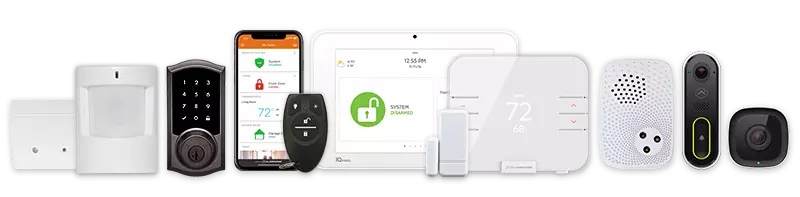
Common components include:
- Door and window sensors
- Motion detectors
- Security cameras
- Smart locks
- Environmental sensors for smoke or carbon monoxide
Camera placement is especially important. Poor angles or improper mounting can limit visibility. Modern systems may also include AI-enabled cameras that can better distinguish people from other motion. If you are curious about how these advanced options work, you can learn more about AI security cameras here.
Step 3: Professional Installation and Mounting
Installation day is where planning turns into action. A trained technician installs each device according to the system design. This includes mounting sensors securely, positioning cameras at optimal angles, and installing any required wiring.
Professional installers focus on:
- Accurate sensor placement to reduce false alarms
- Secure mounting that prevents tampering
- Proper camera height and field of view
- Clean installation that blends into the home
For wired systems, installers ensure cables are safely routed and protected. For wireless systems, they confirm that all devices communicate properly with the control panel and network.
This attention to detail is one of the biggest differences between professional and DIY installation. To better understand how the two approaches compare, review this breakdown of DIY vs. professional security system installation.
Step 4: System Configuration and Testing
After installation, the technician configures the system. This step ensures everything works together as intended. Sensors are calibrated, cameras are tested, and alerts are verified.
Key tasks during configuration include:
- Pairing devices to the control panel
- Adjusting motion sensitivity
- Setting entry and exit delays
- Testing alarm triggers
- Confirming mobile app connectivity
Technicians will test each component individually and then test the system as a whole. This process helps identify issues before the system goes live.
According to the National Institute of Standards and Technology, proper system testing is essential for reliable security performance, especially when multiple connected devices are involved.
Step 5: Mobile App Setup and User Training
Professional installation does not end when the equipment is mounted. One of the most important steps is showing homeowners how to use their system. The technician will help install the mobile app and walk you through its features.
Training typically includes:
- Arming and disarming the system
- Viewing live and recorded video
- Managing alerts and notifications
- Creating user codes
- Understanding system modes such as Stay and Away
This hands-on walkthrough ensures you are comfortable using your system from day one. A well trained user is more likely to take full advantage of system features and avoid common mistakes.
Step 6: Monitoring Activation and Emergency Setup
Once testing and training are complete, the system is connected to professional monitoring services. Monitoring ensures that trained operators respond to alarms 24/7, even when you are unavailable.
During this step:
- Emergency contacts are verified
- Monitoring signals are tested
- Local dispatch procedures are reviewed
Professional monitoring adds a critical layer of protection. If an alarm is triggered and you cannot respond, the monitoring center can contact emergency services on your behalf. You can learn more about how this works on the alarm monitoring page.
The U.S. Fire Administration also emphasizes the importance of monitored alarm systems for faster emergency response times: https://www.usfa.fema.gov/
Step 7: Smart Home Integration and Automation
Many professional installations include smart home features that integrate security with everyday convenience. This step connects your security system with compatible smart devices such as lights, locks, thermostats, and garage doors.
Examples of automation include:
- Locking doors automatically when the system is armed
- Turning on lights when motion is detected at night
- Adjusting thermostats when you leave home
Smart home integration not only adds convenience but also improves security by making your home appear occupied. You can explore available options on the smart home automation page.
Step 8: Final Walkthrough and System Review
Before leaving, the technician performs a final walkthrough. This ensures all equipment is working, questions are answered, and you feel confident using the system.
This final review includes:
- Confirming device locations
- Reviewing alert settings
- Answering usage questions
- Explaining next steps for support
A thorough walkthrough helps prevent confusion later and ensures the system delivers the protection you expect.
Step 9: Ongoing Maintenance and Support
Professional installation also sets the stage for long term system performance. While systems are designed to be reliable, regular maintenance keeps everything running smoothly.
Homeowners should:
- Replace batteries when notified
- Test sensors periodically
- Keep cameras clean and unobstructed
This alarm system maintenance checklist provides a useful reference for ongoing care.
Proper maintenance helps protect your investment and reduces the risk of system failures.
Why Professional Installation Is Worth It
Professional installation ensures your system is designed correctly, installed properly, and supported over time. While DIY systems may work for basic needs, professional installation offers better accuracy, stronger reliability, and peace of mind.
It also contributes to long term value. A well installed system can reduce losses, improve safety, and support insurance benefits. For many homeowners, this makes professional installation a smart investment.
Professional security system installation is a step-by-step process designed to protect your home from day one. From assessment and design to installation, testing, and training, each step plays an important role in system performance.
When done right, professional installation delivers reliable protection, easy daily use, and confidence that your home is secure. If you are considering a new system or upgrading an existing one, understanding the installation process helps you make an informed and confident decision.