DIY vs. Professional Security System Installation: Which Is Right?
What DIY Installation Looks Like
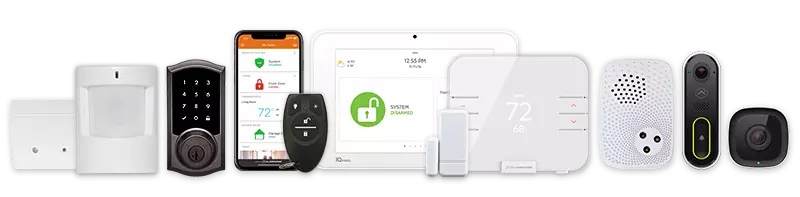
DIY installation appeals to homeowners who want flexibility or enjoy working with technology. Many modern devices are designed to be easy to set up. Most come with peel-and-stick mounts, step-by-step instructions, and apps that walk you through pairing each device.
Typical DIY tasks include:
- Mounting door and window sensors
- Installing indoor and outdoor cameras
- Connecting the system to WiFi
- Adjusting device settings in the app
- Testing alerts and notifications
DIY systems usually focus on simplicity. They tend to be modular, which lets you start small and expand later. If you like the idea of building a system over time, DIY can be a practical choice.
However, DIY installation also means you take full responsibility for system accuracy. If a sensor is placed in the wrong spot or a camera view is too limited, the system may not detect important events. This is where thoughtful planning becomes important.
For homeowners considering a system refresh, this guide on how to upgrade your existing home security system can help you understand where DIY upgrades make sense.
Pros of DIY Installation
DIY installation has several advantages:
Lower upfront cost. You avoid installation fees and have more control over your budget.
Flexible scheduling. You can install devices at your own pace without booking an appointment.
Easy customization. You can add or move devices as needed, especially if your layout changes.
No long-term commitment. Some DIY systems work without contracts, which makes them more appealing to renters.
DIY can be a good fit if your setup is simple, such as a small home or apartment that needs only a few sensors and cameras.
Cons of DIY Installation
While DIY can save money, it has drawbacks to keep in mind:
More room for mistakes. Incorrect sensor placement or weak WiFi connections can reduce system performance.
Limited support. DIY systems often rely on user forums or basic support channels rather than dedicated technicians.
Fewer advanced features. Some higher-end systems or AI-powered cameras require a professional setup for proper calibration. If you’re exploring AI-enhanced devices, this page explains what to expect from AI security cameras.
Time-consuming. Even simple installs can take longer than expected if you hit a snag.
Homeowners who want a smooth, trouble-free setup often find that these downsides outweigh the savings.
What Professional Installation Looks Like
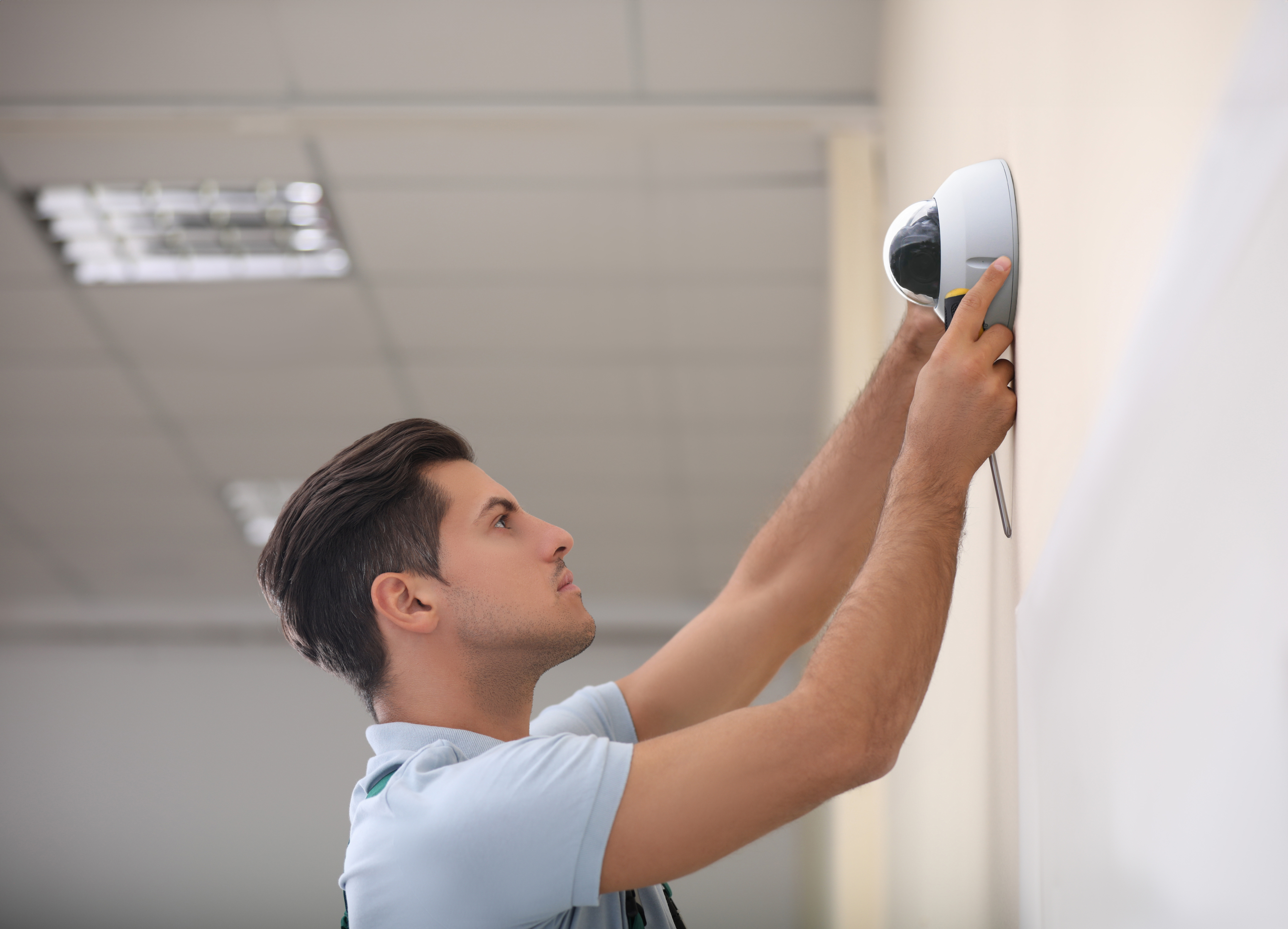
Professional installation focuses on accuracy, reliability, and long-term performance. A trained technician evaluates your home layout, identifies coverage gaps, installs equipment, runs wiring when needed, and ensures everything works as intended.
A typical professional installation includes:
- A walkthrough to identify entry points and high traffic areas
- Strategic device placement for optimal coverage
- Camera angle adjustments
- Testing sensor sensitivity
- Ensuring strong WiFi or recommending wired options
- Training you on how to use your system
Professional installation is especially helpful for larger homes, multi-story layouts, or homeowners who want a fully integrated smart system. It also helps reduce the risk of blind spots or technical mistakes.
To compare the approaches in more detail, you can also read True Home Protection’s overview of DIY vs. professional security system installation.
Pros of Professional Installation
Professional installation offers several advantages that are hard to match with DIY:
Better accuracy. Installers know how to avoid blind spots, minimize false alarms, and place devices for maximum coverage.
System reliability. A well-installed system is less likely to fail during an emergency.
Expert support. You get help with setup, troubleshooting, and long-term maintenance.
Advanced integration. Professionals can connect your security system with smart home devices so everything works smoothly together.
If you care about return on investment, especially for long-term protection or insurance savings, this analysis of the ROI of investing in a home security system provides helpful context.
Cons of Professional Installation
Professional installation does have some downsides:
Higher upfront cost. You pay for labor and expertise.
Appointment scheduling. Installation requires coordination with a technician.
Less flexibility for small changes. If you want to adjust device placement later, you may need another visit unless the system is simple to tweak.
Even with these considerations, many homeowners feel the benefits outweigh the costs because it simplifies everything from setup to long-term performance.
Cost Comparison: DIY vs. Professional
DIY systems often seem cheaper at first, but the true cost depends on your goals. If you need only basic coverage, DIY can work well. But if you want strong monitoring, good camera coverage, and smart home integration, professional installation may provide more value over time.
Trusted consumer research sources suggest that professionally installed systems generally offer more reliable long-term performance and lower failure rates. For reference, Consumer Reports provides a helpful overview of home security system reliability: https://www.consumerreports.org.
For fire and life safety devices, the U.S. Fire Administration notes the importance of proper sensor placement, which is often easier with professional help: https://www.usfa.fema.gov.
Maintenance Responsibilities
No matter which option you choose, maintenance matters. Batteries need replacing, sensors need testing, and cameras need occasional cleaning. Homeowners who choose DIY installation should be comfortable taking care of these tasks on their own.
To help with long-term upkeep, True Home Protection offers a practical alarm system maintenance checklist. Following it keeps your system working its best and helps prevent performance issues down the road.
Which Option Fits Your Home?
When choosing between DIY and professional installation, consider:
- The size and layout of your home
- Whether you want advanced features like automation or AI cameras
- Your comfort level with technology
- The importance of long-term reliability
- Your budget and time availability
DIY can be a good choice for smaller spaces or basic needs. Professional installation is a better fit for homeowners who want higher accuracy, stronger support, and a system designed to protect a full home with minimal effort.
The right installation method depends on what you want from your security system. DIY installation works well for simple setups and people who enjoy hands-on projects. Professional installation offers greater peace of mind, stronger reliability, and better long-term value.
Whichever route you choose, the goal is the same: a system that makes your home safer and gives you confidence that you are protected. By understanding the strengths and limits of each installation method, you can choose the option that supports your lifestyle and keeps your home secure.