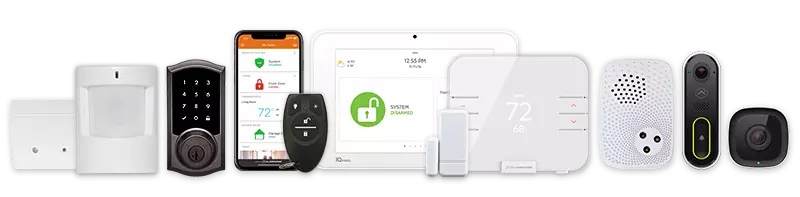
When it comes to protecting your home or business, choosing the right type of security camera system can feel overwhelming. You’ve probably heard about wireless and wired cameras, but understanding the difference between wired and wireless systems isn’t always straightforward.
At True Home Protection, we aim to make home security simple and stress-free. In this guide, we’ll break down comparing wired vs wireless security cameras to help you decide which is best for your needs.
What’s the Difference Between Wired and Wireless Security Cameras?
Wired vs wireless security cameras differ mainly in how they transmit data and receive power.
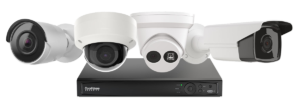
- Wired security cameras use physical cables like Ethernet or coaxial lines for both power and data. They’re reliable and often part of a complete wired security system.
- Wireless security cameras, by contrast, transmit video over a wireless network (usually Wi-Fi), and many run on an electric battery or plug into an AC power source.
Both have their strengths, but choosing between wired or wireless setups depends on your priorities—such as ease of installation, video quality, or long-term reliability.
How Do Security Cameras Work?
Security cameras work by transmitting security footage from a camera to a viewing or recording device. This can happen through wires (in wired systems) or wirelessly using a router or cloud computing services. Let’s take a closer look:
Wired Security Cameras
A wired security camera system typically includes:
- Cabled connections for power and video (sometimes using Power over Ethernet).
- A gateway (telecommunications) hub or digital video recorder (DVR).
- Wired connections reduce interference (communication) and aren’t reliant on your wireless signal strength.
Wireless Security Cameras
A wireless camera system transmits video data over Wi-Fi or similar technologies. Depending on the design, wireless cameras may:
- Operate on AC power plugs and sockets or electric batteries.
- Use cloud storage for saved footage.
- Be vulnerable to signal loss or interference (communication), especially if your router (computing) is overloaded.
Wired vs Wireless Security Cameras: Pros and Cons
Here’s a side-by-side overview of the pros and cons of wired and wireless home security cameras.
Both camera types allow remote access and motion-triggered alerts, but how they connect, store, and transmit data varies.
Reasons to Choose a Wired Security Camera System
A wired camera system could be your best bet if:
- You want uninterrupted, high-resolution video.
- Your number of cameras is large, or you’re covering a wide area.
- You want to avoid wireless network interference or signal loss.
- You plan a long-term investment in your home security infrastructure.
Wired security cameras are less vulnerable to hacking and don’t rely on Wi-Fi. This makes them perfect for businesses or Texas homeowners with large properties where the wireless signal might fluctuate.
Since wired cameras use dedicated video cables, they’re stable even in power supply fluctuations, particularly when backed by an uninterruptible power supply.
When Wireless Security Cameras Make Sense
Wireless options are handy when:
- You’re renting and can’t drill - cameras can be installed without permanent changes.
- You want a quick-and-easy install - wireless cameras are easy to set up.
- Your home layout makes wiring difficult.
- You plan to move your camera’s location occasionally.
Just keep in mind:
- Wireless cameras depend on steady Wi-Fi and power.
- Wireless systems connect through networks that may experience lags.
- Wireless cameras offer more placement flexibility but may require regular battery checks.
- Video may be compressed for transmission, which can reduce quality compared to wired systems.
Comparing Wired vs Wireless Security Systems in Texas Homes
Now let’s get local. In Texas, weather and property size can impact how wired vs wireless security choices hold up.
Wired Security in Texas
- Better for outdoor security cameras in storm-prone areas.
- Winters and high winds don’t affect wired cameras the same way; they might knock out a router or power grid.
Wireless Security in Texas
- Great for city dwellers and renters.
- Easier to install in apartments or duplexes.
- Ideal for users who prefer cloud backup, smartphone apps, and wireless technologies like smart home integration.
Both can be expanded and customized, but understanding the difference between wired and wireless can help you future-proof your home.
Types of Cameras and How They Connect
Whether wired or wireless, types of cameras fall into a few categories, such as:
- Closed-circuit television camera (CCTV)
- Indoor or outdoor cameras
- Motion detection or always-recording
How these cameras connect to the rest of your camera system also matters:
Cameras Typically Use:
- Ethernet cables in wired systems.
- Wi-Fi or other wireless options in wireless systems.
Cameras Offer:
- Audio and video feed.
- Motion alerts sent directly to your smartphone.
- Live streaming via computer network or app.
Wired and Wireless Security: Can You Use Both?
Yes, you can mix both. A hybrid wired and wireless security camera setup lets you:
- Use wired home security cameras for static, critical coverage (driveways, entryways).
- Deploy wireless home security cameras in locations that need mobility and fast setup.
Many modern home security system providers offer hybrid options to give you ultimate control and flexibility.
You can also integrate your system with commercial video surveillance systems for round-the-clock views of your property.
Security Solution: Which Camera System Is Best?
Let’s recap key factors when deciding which security camera is right for you:
Choose a Wired System If:
- You want HD video without lag.
- You have stable power and internet.
- You don’t mind investing more upfront.
Go Wireless If:
- You want flexibility in camera placement.
- You live in a rental or plan to move.
- You prefer cloud convenience and smartphone features.
Final Thoughts on Wired vs Wireless Security Cameras
Whether you choose a wired security system, a wireless security camera system, or a mix of both, it’s all about what fits your lifestyle, space, and preferences.
If you’re looking for personalized advice or want help building your camera system, reach out to us at True Home Protection. We’re Texas-based, trustworthy, and here to help you secure what matters most.
Explore our home video surveillance systems to get started today. Feeling like an expert yet? You should.
Security doesn’t have to be confusing. With the right system in place, you’ll have one less thing to worry about.