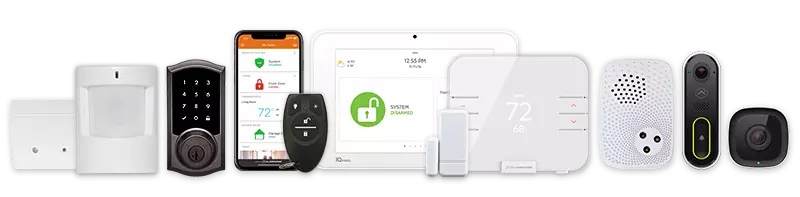
Security cameras in the workplace have become a standard part of doing business. Employers use them to deter theft, protect assets, monitor productivity, and maintain a safe environment for everyone on the premises. But here is the thing – not every corner of a workplace is fair game for surveillance.
Understanding where cameras are not allowed is just as important as knowing where they are permitted. Whether you are an employer trying to stay compliant or an employee wondering about your privacy at work, this guide breaks it all down in plain language.
The Legal Framework Around Workplace Video Surveillance
Workplace surveillance laws in the U.S. are shaped by a combination of federal laws and state laws. At the federal level, the Electronic Communications Privacy Act sets boundaries around intercepting electronic communications without consent. The National Labor Relations Act also plays a role, particularly when surveillance is used in ways that may interfere with employees’ rights to organize or engage in protected activity.
Beyond federal laws, individual state laws add another layer of regulation. Texas, for example, has its own privacy laws that affect how and where employers can monitor employees. Business owners need to understand that workplace monitoring must always serve a legitimate business purpose and must not violate an employee’s reasonable expectation of privacy.
Employers must comply with both federal and state laws to keep their surveillance practices lawful and defensible.
Where Surveillance Is Not Permitted: Cameras Not Allowed in Key Areas
There are specific spaces where surveillance is not permitted under any circumstances, regardless of the business purposes behind the decision to install cameras. These are areas where employees hold a strong right to privacy, and using cameras in these locations may violate both privacy laws and employment law.
Restrooms and Changing Rooms
Installing security cameras in restrooms or changing rooms is strictly off-limits. Cameras in restrooms and cameras in locker rooms are widely prohibited under federal and state laws.
Employees have an absolute expectation of privacy in these spaces, and placing any form of video surveillance or audio surveillance in these areas constitutes a serious legal violation.
This applies whether the cameras are visible or hidden cameras. There is no legitimate business reason that justifies cameras in these locations.
Locker Rooms
Locker rooms fall into the same category as restrooms and changing rooms. Cameras in locker rooms violate employees’ privacy rights, full stop. Even if there are concerns about internal theft or unauthorized access, the legal boundaries here are clear: surveillance in the workplace cannot extend into locker rooms.
If theft is a concern in these areas, employers should explore other solutions, such as advanced access control solutions that restrict who can enter these spaces in the first place.
Employee Lounges or Break Rooms
This one is a bit more nuanced. Employee lounges or break rooms are not automatically off-limits for cameras, but employers must tread carefully. In many cases, placing surveillance cameras in break rooms where employees have a reasonable expectation of privacy, particularly if they are discussing personal matters or union activity, may violate labor law.
The National Labor Relations Act has been interpreted to restrict the use of cameras to prevent or monitor protected concerted activity among employees. If a labor agency determines that cameras in break rooms were used to monitor union discussions or other protected employee activity, it could create serious legal issues for the employer.
Private Offices
Employees who work in private offices often have a heightened privacy expectation compared to those in open work environments. While surveillance in the workplace is generally more accepted in common areas, placing security cameras in a private office without the employee’s knowledge or consent can be seen as an invasion of privacy, especially when there is no clear legitimate business purpose behind it.
Medical or Health Areas
If a workplace has a medical room, wellness space, or any area designated for health-related purposes, cameras are not appropriate there. Patients and employees using these spaces have strong medical privacy protections, and the use of cameras in these areas raises serious concerns under both privacy law and healthcare regulations.
What Is Allowed: Where Employers Can Legally Use Video Surveillance
So, where can employers legally monitor employees using security cameras? Generally, surveillance is legal in areas where there is no reasonable expectation of privacy and where a legitimate business purpose exists.
Common locations where the use of video surveillance is typically lawful include:
- Entrances and exits – Monitoring who enters and leaves the building is a standard security measure.
- Parking lots – Cameras here help prevent crime and unauthorized access.
- Production floors and warehouses – Where business operations are actively taking place, and safety or productivity monitoring makes sense.
- Retail sales floors – Surveillance to help prevent shoplifting and monitor customer service interactions is widely accepted.
- Reception areas and lobbies – These are public-facing spaces with no reasonable expectation of privacy.
Employers should ensure that their use of video cameras in these spaces is clearly communicated. An employee handbook that outlines the company’s surveillance policies helps set expectations and demonstrates transparency. Adding this information to the handbook protects both the employer and the employee.
Audio Recording and Electronic Communications
Video monitoring is one thing, but audio recording carries its own set of rules. Many states require all-party consent before audio can be recorded, meaning everyone in the conversation must agree to be recorded.
Texas generally follows a one-party consent rule for audio recording, but employers should still be cautious and confirm how that rule applies in their specific workplace setting. Employers must also be careful about how they handle electronic communications.
The Electronic Communications Privacy Act prohibits the unauthorized interception of electronic communications, which covers emails, phone calls, and other digital communications.
Employers who monitor employee emails or messages must have a clear policy in place and, in many cases, must inform employees in advance.
Best Practices for Employers Installing Security Surveillance Cameras
If you are a business owner looking to install a video surveillance system that is both effective and compliant, here are some best practices to follow.
Be transparent
Employees’ rights include being informed about monitoring practices. Notify employees about where cameras are located and why they are being used. Transparency builds trust and reduces the risk of legal disputes.
Document your purpose
Every camera placement should have a clear, legitimate business purpose tied to security purposes, safety, or operational needs. This documentation can be critical if your monitoring practices are ever questioned.
Consult legal counsel
Before installing security cameras in any space that might raise privacy concerns, seek legal advice. This is especially important for businesses with locations in multiple states, where state laws can differ significantly.
Review your surveillance policies regularly
Privacy laws and video monitoring regulations evolve. Reviewing your policies annually helps ensure your workplace video surveillance practices remain compliant.
Use the right technology
Respecting employee privacy while maintaining security is easier when you have the right tools. Commercial video surveillance systems and customizable business security systems can be configured to cover the right areas without overstepping legal and ethical boundaries.
For businesses with complex needs, industry-specific security solutions offer tailored approaches that account for regulatory compliance in different sectors.
Why This Matters for Texas Businesses
Texas employers are subject to workplace surveillance obligations just like employers in any other state. While Texas law generally allows employers to monitor employees in public-facing and common work areas, the same prohibitions around restrooms, locker rooms, and changing rooms apply. Employers must balance their right to monitor with respecting employee privacy and dignity.
Installing security cameras without understanding where surveillance cameras in the workplace are restricted can expose a business to discrimination claims, harassment lawsuits, or labor violations. It is far better to use surveillance to help protect your business while also protecting the people inside it.
For businesses that want to build a comprehensive, compliant security setup, exploring options like advanced access control solutions and commercial video surveillance systems is a smart starting point.
Conclusion
Cameras in the workplace serve a real and important purpose, but only when they are used in the right places and for the right reasons. Employers must stay within legal boundaries, avoid restricted areas, and maintain clear communication with their teams about monitoring practices.
Getting this right protects your business, your employees, and your credibility. If you are ready to build a security system that respects everyone’s rights while keeping your business safe, True Home Protection is here to help. Call us at +1-800-393-6461 or visit truehomeprotection.com to get started.