If your smoke alarm keeps going off for no good reason, you are not alone. Many Texas homeowners deal with at least one false alarm every year, and it can be confusing, stressful, and honestly a little embarrassing when the alarm goes off at 2 a.m. or in the middle of cooking dinner.
Below, we will walk through the real causes of false alarms, how smoke detectors work, and what you can do at home to reduce false alarms without putting your family’s fire protection at risk.
How Smoke Alarms Work (And Why They Can False Alarm)
To understand the common causes of false alarms, it helps to know how smoke alarms work.
Most smoke alarms and detectors in Texas homes use one of two technologies:
- Ionization smoke detectors – These use an ionization chamber and a small electrical current to sense tiny smoke particles from fast, flaming fires. They are very sensitive and can be more prone to false alarms if they are installed too close to a kitchen or cooking appliance.
- Photoelectric smoke alarms – These rely on the photoelectric effect. A light beam and a smoke sensor are inside the alarm device. When smoke particles or other debris interrupt the light, the detector sounds. These are great for slow, smoldering fires and tend to cause fewer nuisance alarms from cooking smoke.
Some modern smoke and carbon monoxide devices combine smoke and co detectors into one unit so they can detect smoke and carbon monoxide with a single alarm system.
When you know how smoke detectors work, you can better spot what might be causing false alarms in your own home.
Top Causes of False Alarms on Smoke Alarms and Detectors
Cooking Smoke & Burnt Food: The Most Common Cause
The most common cause of false alarms in Texas homes is simple: cooking.
If your smoke detector keeps going off when you use the stove or oven, the cause is likely:
- Cooking smoke from frying, searing, or broiling
- Burnt food that sends smoke into the hallway
- A cooking appliance like a toaster or air fryer placed directly under a smoke alarm
When enough smoke particles reach the smoke sensor, the alarm goes off as if there were a fire or smoke emergency. Even if you do not see visible smoke, hot vapors can still set off smoke detectors.
If your alarm goes off every time you cook, that does not mean you should remove it. Instead, you might need to relocate the detector or choose a different style of smoke detection that is less sensitive to light cooking.
Steam, High Humidity, and Water Particles
Steam and humidity are another of the common reasons your smoke detector keeps going off.
High humidity from hot showers, boiling water, or a humidifier can:
- Introduce dense water and water particles into the alarm
- Interfere with the sensors inside the device
- Trick the alarm into thinking there is smoke present
This is especially common when alarms are installed:
- Right outside a bathroom door
- Directly above a shower, tub, or humidifier
- Too close to the kitchen where steam is often released
In these cases, steam can set off smoke detectors just like smoke. If a smoke alarm keeps going off after every shower, the location is likely the problem.
Dust, Debris, and Small Insects Inside the Detector
Another of the common culprits is dust buildup and debris inside the alarm device.
Over time:
- Dust and debris collect around the sensor
- Small insects sometimes crawl into the detector
- Cobwebs or construction dust in unfinished attics and garages can get pulled inside
This buildup can interfere with the sensors and end up causing false alarms. In older homes and in areas near kitchens or unfinished attics, dust is a typical common cause of nuisance alarms.
That is why it is so important to clean your smoke detectors regularly.
Low Batteries, Chirps, and Malfunction Warnings
If your alarm keeps chirping, that repeated chirp or short beep usually points to a power problem, not smoke.
Common reasons include:
- The electric battery is low
- The battery backup in hardwired detectors is failing
- The unit is in malfunction mode or end-of-life mode
Many smoke and co detectors will show a flashing red light along with a chirp when something is wrong.
Remember:
- Smoke detectors have a lifespan of about 8 to 10 years
- After that lifespan, constant false alarms or random beeps can mean it is time to replace the unit
Always follow the manufacturer’s instructions on how often to replace batteries, how to test your smoke alarms, and when to replace the whole device.
Harsh Chemicals & Strong Cleaning Products
Using strong chemicals in your home can also trigger unwanted alarms.
If you are:
- Using strong chemicals to clean
- Spraying harsh chemicals or aerosols directly under a detector
- Painting or refinishing near a smoke alarm
The fumes can set off smoke detectors or co alarm devices. These fumes can also damage or interfere with the sensors over time, causing false alarms later on.
Try to avoid using strong chemicals right under alarms in your home.
Location Problems: Where Alarms May Be Prone to False Alarms
Even the best smoke alarms and detectors will struggle if they are installed in the wrong spot.
Detectors are more prone to false alarms when they are:
- Installed near kitchens, right over a stove or toaster
- Mounted in unfinished attics where dust, insulation, and insects are common
- Placed in garages, near fuel-burning appliances, or directly above doors where outdoor air constantly flows in
If the alarm keeps going off with no clear fire or smoke, you may need to relocate the detector a few feet away from the source of steam, dust, or airflow.
This simple move can significantly reduce false alarms.
How to Clean Your Smoke Detectors and Reduce False Alarms
Regular cleaning is one of the easiest ways to prevent false alarms from your smoke detectors.
Here is a quick step-by-step approach to maintain your smoke alarms and detectors safely:
- Turn off power if hardwired – If you have hardwired alarms, shut off the breaker first.
- Remove dust and debris
- Use a vacuum with a soft brush attachment or regular brush attachment
- Gently use a vacuum around the vents to remove dust buildup
- For stubborn spots, you can use compressed air, spraying short bursts around the sensor openings
- Avoid harsh cleaners – Do not spray cleaners directly into the alarm. This can interfere with the sensors and lead to malfunction or constant false alarms.
- Reinstall and test – After cleaning, restore power and test your smoke alarm with the built-in test button.
Just a little regular cleaning can keep your smoke and carbon monoxide units working correctly and reduce false alarms over time.
Safety First: Do Not Ignore Repeated False Alarms
It is tempting to silence or disconnect an alarm that keeps going off. But constant false alarms can hide a serious problem.
If a detector goes into alarm often, consider:
- Checking for actual smoke and co sources, like a gas leak or smoldering wire
- Verifying that every carbon monoxide detector is functioning correctly
- Checking your stove, water heater, or other home appliance for early signs of combustion or overheating
- Consulting a professional if you suspect a fire alarm system or co detector malfunction
If you ever suspect real fire or smoke, leave the home immediately and call the fire department. Firefighters would always rather respond to a cautious call than a delayed emergency.
For official guidance, you can also review national smoke alarm safety guidelines from the nfpa.
Get Expert Help With Alarms in Your Home
False alarms are annoying, but they are also a sign that your equipment is trying to protect you.
The key is figuring out what is causing false alarms so you can fix the problem without losing your layer of fire protection.
In many Texas homes, a combination of:
- Proper placement
- Regular cleaning
- Timely replacement of old units
- Smart use of photoelectric or ionization smoke devices will keep your alarms reliable and quiet until there is a real emergency.
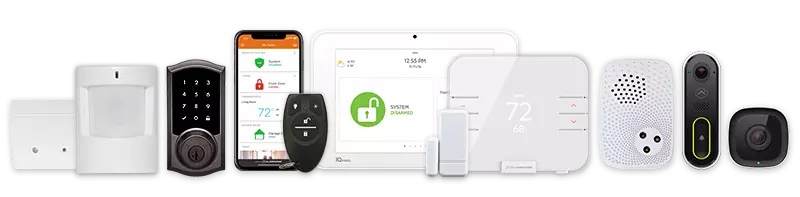
If you want more than just basic detectors, True Home Protection can help integrate your smoke alarms and detectors into modern residential home security systems so you can monitor, test, and maintain your devices more easily.
Take a few minutes today to walk through your home, check where each smoke detector is located, replace batteries if needed, and schedule a time to clean your smoke alarms. By troubleshooting small issues now, you can prevent false alarms, protect your family, and keep your Texas home safer every day.