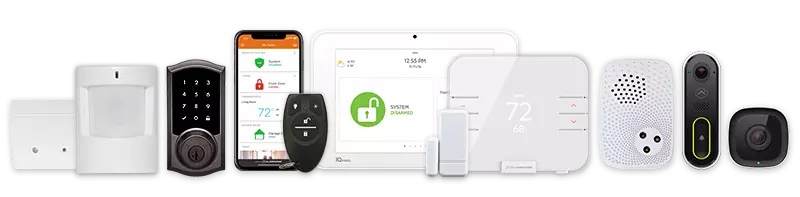
If you own or manage a business, you already know that keeping your property, people, and assets safe is not optional. But when it comes to actually choosing a security setup, most business owners hit a wall. There are so many types of security systems on the market, and the options can feel overwhelming fast.
This guide breaks it all down. You will learn about the essential types of alarm systems available for commercial properties, what each one does, and how to figure out which combination makes the most sense for your business.
Why Business Security Is Not One-Size-Fits-All
A retail shop in a busy strip center has completely different security needs than a warehouse storing high-value inventory or a medical office managing sensitive patient data. The right security system for your business depends on your property layout, the nature of your operations, the number of employees, and your risk exposure.
That is why choosing a commercial security system starts with understanding what is available, not just what is popular. Modern business security systems have evolved well beyond a simple door sensor and a loud alarm. Today, security systems work as integrated platforms that combine detection, surveillance, access control, and professional monitoring into one manageable solution.
The 7 Essential Types of Alarm Systems for Business
Intrusion Detection and Burglar Alarm Systems
The burglar alarm is the foundation of physical security for most commercial spaces. These systems use motion detectors, door and window sensors, glass break sensors, and pressure sensors to detect unauthorized entry. When a sensor is triggered, the system alerts a professional monitoring center or dispatches a response.
Intrusion detection is non-negotiable for businesses that store merchandise, cash, equipment, or sensitive documents. Burglary remains one of the most common crimes affecting small business owners, and a properly installed intrusion alarm is often the first line of defense.
Modern intrusion detection systems also connect with mobile app alerts, so you can receive a message on your phone the moment something unusual happens, even when you are off-site.
Fire Alarm Systems
Every commercial property needs a fire alarm system. This is not just about safety, in most cases, it is a legal requirement. Fire alarms connect to smoke detectors, heat sensors, and sometimes sprinkler systems to provide early warning when fire or dangerous heat levels are detected.
A monitored fire alarm system means that when smoke or heat is detected, the signal goes directly to a professional monitoring service that contacts emergency services on your behalf.
That kind of rapid response can be critical to protecting your property, your employees, and your customers.
Do not underestimate fire risk. It is one of the top causes of major property loss for businesses across North America, and a reliable fire alarm system is an investment that pays for itself in ways that go far beyond insurance savings.
Security Camera and Video Surveillance Systems
A dedicated security camera setup is one of the most powerful tools available to business owners today. Closed-circuit television (CCTV) and IP-based camera systems let you monitor your business in real time, and review recorded footage when incidents occur.
Commercial video surveillance systems do several things at once. They deter crime before it happens, provide evidence when it does, and give management a way to monitor operations and productivity. For warehouse environments, retail floors, parking areas, and building entrances, cameras are essential.
Modern surveillance systems store footage in the cloud, which means your recordings are protected even if someone tampers with on-site equipment. Many systems also support remote access through a mobile app, so you can check in on your property from anywhere.
If you are serious about protecting your business, explore commercial video surveillance systems designed specifically for business environments.
Access Control Systems
Access control is about more than just locking doors. It is a security solution that determines who can enter specific areas of your building, when they can enter, and what credentials they need to do so.
Modern access control systems use keycard locks, PIN codes, mobile credentials, and even facial recognition technology to manage entry. For businesses with multiple employees, sensitive areas, or high-value assets, access control systems are critical. They eliminate the risks that come with traditional keys; you cannot track who used a key or when, and lost keys create serious vulnerabilities.
Access control also gives you an audit trail. You will know exactly who accessed a server room, a cash office, or a restricted storage area and at what time. That kind of knowledge is invaluable when investigating incidents or managing internal risk.
Advanced access control solutions can be customized to fit almost any type of commercial property, from a single-location small business to a multi-unit enterprise.
Environmental Monitoring Systems
Not every threat comes from a person. Environmental monitoring systems protect your business from hazards like flooding, extreme temperature changes, carbon monoxide, and power outages. For businesses that rely on climate-controlled environments, think server rooms, restaurants, medical facilities, or any business with refrigerator- or HVAC-sensitive inventory, these systems are essential.
Smart thermostats and HVAC sensors can be integrated into your broader security system to alert you when temperatures fall outside safe ranges. Without proper monitoring in place, HVAC issues can cause significant damage to equipment and inventory before anyone notices something is wrong.
Environmental sensors often work alongside your existing alarm infrastructure, making them a practical and cost-effective addition to a comprehensive security setup.
Video Intercom and Communication Systems
Intercom systems are a frequently overlooked component of commercial security. A video intercom allows you to verify who is requesting entry before granting access, which is especially useful at loading docks, back entrances, and visitor lobbies.
The combination of visual verification with two-way communication adds a human layer to your access management process. This is particularly useful for businesses where deliveries, contractors, or visitors are frequent. You can see who is at the door via camera and communicate with them through a telephone-like interface before buzzing them in.
Modern intercom systems integrate seamlessly with cameras and access control systems, creating a more cohesive and intelligent entry management experience.
Monitored Panic and Duress Alarm Systems
For businesses where employees interact with the public, such as retail stores, banks, medical offices, and similar environments, a panic alarm system is a vital layer of protection. These systems allow staff to discreetly trigger an alarm during a robbery, medical emergency, or other threatening situation.
When the alarm is triggered, the professional monitoring service receives the signal immediately and contacts the appropriate emergency service. Unlike a standard intrusion alarm, a panic alarm is designed to be activated without alerting the perpetrator, which can be critical in high-pressure situations.
Professionally monitored security systems with panic alarm capability are an important part of any safety and security plan for customer-facing businesses.
How to Choose the Right Security System for Your Business
Start With an Honest Assessment of Your Risks
Before you call a security expert or request a quote, take a hard look at your business. What are you protecting? Who needs access to what areas? Have there been incidents before? What are the hours of operation? The answers to these questions will help you identify which types of alarms and security features matter most.
A small business operating out of a single suite may only need intrusion detection, cameras, and monitored smoke alarms. A larger commercial facility with restricted areas, high employee counts, and round-the-clock operations likely needs a layered approach that includes access control, video surveillance systems, environmental monitoring, and professional monitoring.
Consider Professional Monitoring Carefully
DIY security systems have their place, but for most business environments, professionally monitored security is the smarter choice. When a false alarm goes off at 2 a.m., and you are not available, or when a real incident happens and every second counts, having a monitoring center actively watching your system makes a significant difference.
Professional monitoring services also provide backup in cases where your internet or power goes out. Systems with electric battery backup and cellular communication ensure your alarm remains active even during an outage.
Think About Integration
The best business security systems are not a collection of separate tools; they are integrated platforms where security cameras, access control, alarms, and monitoring all communicate with each other. Integration makes your system easier to manage, faster to respond, and more useful for reviewing incidents after the fact.
When choosing a commercial security solution, ask how well each component integrates with the others. Can you manage everything through one app? Does the security camera system sync with your access control logs? These details matter more than most business owners realize when evaluating different types of security technology.
Factor in Security System Cost and Scalability
The cost of a business security system varies widely depending on the size of your facility, the number of cameras, the complexity of access control, and whether you include professional monitoring. Be cautious of providers who bury fees in the fine print.
The best commercial security providers offer transparent pricing with no hidden fees and flexible options that grow with your business. Whether you are a small business just getting started or a multi-location enterprise, your security solution should be able to scale without requiring a complete overhaul.
Know What Questions to Ask
When evaluating commercial alarm systems, here are some things worth clarifying with any provider:
- Is the equipment commercial-grade or residential-grade?
- Does the monitoring include UL-certified alarm monitoring?
- Are there long-term contracts, or is there flexibility?
- What happens to your system if you already have existing equipment?
- What is the response time when an alarm is activated?
True Home Protection, for example, offers no-contract options, same-day service, commercial-grade equipment, and UL-certified monitoring backed by a limited lifetime warranty.
That is the kind of transparency that makes choosing a commercial security system much easier for business owners who want reliability without surprises.
The Difference Between Home Security and Business Security
It is worth noting that a home security system and a commercial security system serve different purposes. Solutions like ADT home security, SimpliSafe home security, or a Vivint security system are designed around residential use cases. They can be effective for home protection, but they are generally not built to handle the scale, complexity, or unique security needs of a business environment.
A vivint business security system or similar residential-grade product adapted for business use may fall short when it comes to features like multi-user access control, large-scale video security, or enterprise alarm management. Business security solutions require equipment and monitoring platforms that are purpose-built for commercial properties.
That is why working with a provider who specializes in commercial security technology makes a practical difference. For a deeper look at what is available, explore comprehensive business security systems built for commercial use.
Tailoring Your System to Your Industry
Different industries have unique security needs. A medical office has different compliance requirements and access control priorities than a restaurant or a logistics company. Security systems for small businesses in retail face different theft and shrinkage challenges than those protecting a technology firm with sensitive data.
The good news is that modern business security is modular. You are not locked into a single configuration. The right approach is to work with a security expert who understands your industry and can build a system for your business rather than around a generic template.
Explore security solutions tailored by industry to find the right fit for your specific business needs.
Conclusion
Choosing the right security system for your business does not have to be complicated, but it does require honest thinking about your risks, your property, and your goals.
Whether you need a small business security system with basic intrusion and fire protection or a fully integrated commercial platform with cameras and access control, the right starting point is understanding your options. True Home Protection is ready to help you build a security setup that fits your business, not someone else’s. Reach out today at +1-800-393-6461 or visit True Home Protection to get started.