
Alarm Monitoring
When it comes to protecting your family, property, and peace of mind, choosing the right type of security system is a big decision. If you’re stuck trying to sort out the difference between monitored and unmonitored systems, you’re not alone.
The terms sound technical, but the decision really comes down to how you want to monitor your home and how much involvement you want day to day.
This guide breaks down the key differences, benefits, and potential drawbacks of monitored and unmonitored home security systems. Whether you’re leaning toward a high-tech smart home setup or a simpler DIY alarm, we’re here to help you decide which one offers the best home security for your lifestyle and budget.
What Is a Monitored Security System?
A monitored security system means there’s a staffed monitoring center that receives alerts from your alarm system and coordinates rapid response to potential emergencies.
When a sensor like a motion detector or smoke detector gets triggered, the system automatically sends alerts to a monitoring center. Human beings in these centers are standing by to talk to you, verify the situation, and dispatch emergency services if needed.
How a Monitored Alarm System Works
- A security sensor picks up activity – motion, smoke, fire, or breaking glass.
- The control panel sends the signal to the monitoring center via telephone, Wi-Fi, or cellular connection.
- A trained operator contacts you (usually via mobile app, call, or even email) to confirm the alarm is triggered.
- If there’s no answer or the threat is confirmed, they notify police, fire, or medical teams.
What Is an Unmonitored Security System?
An unmonitored security system (sometimes called a self-monitored home security system) still includes security cameras, sensors, and alarms, but without a professional keeping an eye on things. Instead, when an alarm goes off, the system sends alerts straight to your smartphone.
You’re in charge of deciding what to do next. That might mean calling 911 yourself or checking your security camera feed to see what set off the alarm system.
How an Unmonitored Alarm System Functions
- Sensors or detectors trigger your system when there’s movement or abnormal activity.
- The system is armed, so it sounds a local alarm and sends a push notification to your device.
- You’re responsible for responding and possibly contacting the police or fire department.
Key Differences Between Monitored and Unmonitored Systems
Let’s break down the difference between monitored and unmonitored systems into important areas that affect homeowners:
| Feature | Monitored System | Unmonitored System |
|---|---|---|
| 24/7 Professional Monitoring | Yes | No |
| Emergency Dispatch | Automatically handled | User must take action |
| Monthly Fee | Yes (varies by security provider) | Often free or one-time cost |
| Installation | Often installed by pros | Usually DIY |
| Equipment | Can include cameras, detectors, panic buttons | Similar, may have fewer devices |
| Alerts | Sent to a monitoring station and to you | Sent only to you |
| Operator Support | Yes | No |
| False Alarms | Sorted by the center | You must manage |
Pros and Cons of Monitored Security Systems
Pros
- 24/7 Protection: Whether you’re asleep or away, someone is always monitoring your home.
- Faster Emergency Response: Alerts are immediately sent to the right emergency services.
- Insurance Discounts: Some companies offer a break on insurance premiums for professionally monitored systems.
- Peace of Mind: You’re not solely responsible for monitoring your system.
Cons
- Monthly Fee: Ongoing costs for monitoring services.
- Contracts: Many companies require long-term commitments.
- False Alarms: May incur fees from the city if the alarm goes off unnecessarily.
Pros and Cons of Unmonitored Security Systems
Pros
- Lower Cost: No monthly fee or required contracts.
- DIY-Friendly: Easy to install and maintain.
- Full Control: You get total control of your security system through a smartphone or computer hardware.
- Flexible Design: Build it out how you like with smart home devices, motion detectors, and more.
Cons
- Delayed Emergency Response: If you miss a notification during an emergency, help won’t arrive.
- More User Involvement: You must regularly monitor your system.
- Security Risks: If you’re out of cell service or asleep, you may miss an important alert.
When to Choose a Monitored Home Security System
A monitored home security system is ideal if:
- You travel often or leave the house for long periods.
- You want someone else to handle emergencies.
- You live in an area with higher crime or have had past break-ins.
- You’re tech-savvy but don’t want to self-monitor.
If your priority is top-notch security and accountability, monitored systems provide that sense of constant coverage.
When to Choose an Unmonitored Security System
You might choose an unmonitored security system if:
- You’re comfortable checking alerts and contacting emergency responders.
- You’re budget-conscious and prefer to avoid a monthly fee.
- You want more flexibility and fewer contracts.
- You already have or plan to install smart home security systems.
Also, if you’re into DIY home security, an unmonitored option might feel more manageable.
What Kind of Equipment Do These Systems Use?
Monitored Systems Usually Include:
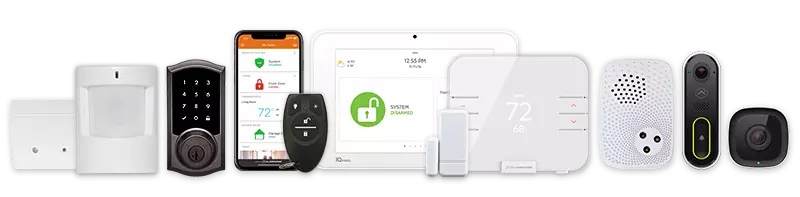
- Control panels or smart hubs
- Wired or wireless motion detectors
- Window and door sensors
- Smoke detectors and carbon monoxide detectors
- Panic buttons
- Integration with home automation tools
Unmonitored Systems Often Feature:
- Home security camera or doorbell camera
- Closed-circuit television (CCTV) options
- Sensors that trigger loud local alarms
- Notification systems via mobile apps
- Integration with smart home platforms like Amazon, Google Nest, or SimpliSafe
Regardless of which system you choose, the goal is the same: use reliable devices and security protocols to help protect your home and monitor your system effectively.
Costs: What to Expect
- Monitored Systems: Usually include equipment fees plus a recurring monthly fee ranging from $20 to $60, depending on the provider and package.
- Unmonitored Systems: Often a one-time purchase of security equipment without ongoing costs. Expect $200-$500, depending on the size of your home and the number of security devices.
You can often find hybrid systems with optional security monitoring or professional monitoring add-ons.
Monitoring Centers That Meet Industry Standards
Professional monitoring centers ensure trained responders are immediately available.
Look for providers with:
- Redundant centers (multiple locations for backup)
- UL certification (meets national fire and safety standards)
- Short response time (under 60 seconds ideal)
For example, many security companies like ADT Inc. and other trusted names offer monitoring security services backed by robust infrastructure, which adds value to your monitored alarm system investment.
Smart Home Integration: A Bonus for Both Systems
Both monitored and unmonitored home security systems now work well with smart home devices like:
- Smart door locks
- Thermostats
- Motion-activated cameras
- Voice assistants like Amazon Alexa and Google Nest
- Lighting automation and schedules
These can enhance usability and convenience, whether you opt to self-monitor or go with a security company to monitor your home.
Professionals Can Help You Choose Wisely
Still not sure which system fits your lifestyle? True Home Protection is here to guide you toward security solutions that match your budget and comfort level.
Unlike one-size-fits-all options, we tailor security services based on your home or business, including securing doors, windows, and key entry points using the latest in security technology and alarm integration.
You can explore our professional alarm monitoring services to discover how a professionally monitored security system can work with your home automation plans.
Real-World Application: What Happens When the Alarm Goes Off?
A major concern for homeowners is: what happens when the alarm goes off?
- With a monitored system, the monitoring center jumps into action, determining whether it’s a false alarm or a real emergency. They’ll send help even if you’re not able to respond.
- With an unmonitored home security system, you need to notice the alert and act fast – whether calling the police, checking your cameras, or disabling the alarm security manually.
So think about your availability and whether you’re comfortable being the first line of defense, or if you’d rather pass that task to a trusted monitoring security service.
Final Thoughts: Monitored vs Unmonitored? Make the Right Call
Choosing the right system is about knowing your comfort level and understanding your security needs. For some, peace of mind comes from knowing a dedicated person is monitoring your home 24/7. For others, control and cost-savings matter more, and self-monitoring is the perfect fit.
Monitored systems offer a layer of backup that makes many homeowners sleep more easily. On the other hand, unmonitored alarm systems may be all you need if you’re tech-savvy and attentive.
And if you’re considering a monitored one for safety and security, let us help you build the best home security plan possible. Whether it’s for your home or business, our expert team at True Home Protection will help you navigate the options and ensure your monitoring system keeps your family and property safe.
Stay safe, stay informed, and don’t hesitate to reach out when you’re ready to level up your home’s security.