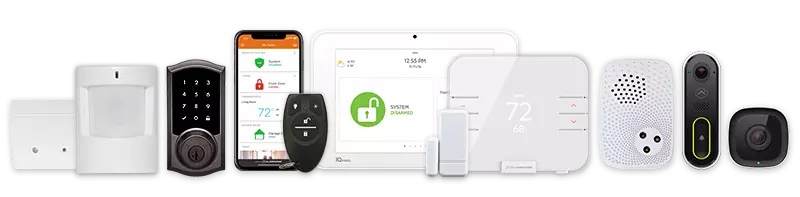
In the world of security systems, selecting the right type of network connection can make a huge difference in the reliability and efficiency of your setup.
With technology evolving every day, understanding whether fiber optic or Ethernet is better suited for your security needs is crucial. But don’t worry, this article will guide you through the maze of options to help you make an informed decision.
Understanding Fiber Optic and Ethernet
Before diving into which is better, let’s look at what fiber optic and Ethernet actually are.
What is Ethernet?
Ethernet is the more traditional of the two, often recognized for its use in local area networks (LANs). It typically uses copper cables to transmit data and is praised for its affordability and ease of installation.
- Speed: Standard Ethernet can handle speeds up to 10 Gbps, but this can vary based on the type (e.g., Cat6 or Cat7 cables).
- Distance: The range tends to max out around 100 meters per cable run, making it suitable for small to medium-sized setups.
- Interference: Copper cables are susceptible to electromagnetic interference (EMI), which can affect signal quality.
What is Fiber Optic?
Fiber optic technology utilizes light to transmit data via cables made of thin strands of glass or plastic. This modern alternative is recognized for its high-speed capabilities and long-distance reach.
- Speed: Fiber optic lines can support speeds up to 1,000 Gbps, vastly outperforming Ethernet.
- Distance: Fiber optics can transmit data over distances exceeding 10 kilometers without losing signal quality.
- Interference: Unlike copper cables, fiber optic is immune to EMI, making it a more reliable option for environments with high electrical interference.
Fiber Optic vs Ethernet: Key Differences for Security Systems
When selecting a network type for your security system, there are multiple factors to consider—speed, reliability, installation, and cost all play significant roles.
Speed and Reliability
Fiber optic’s high-speed capabilities and resistance to interference make it a top choice for large-scale security systems requiring consistent data transmission. On the other hand, Ethernet is often a reliable choice for smaller setups where high speeds and long distances are less critical.
- If you have a large property or multiple locations, fiber optic can handle higher data loads and longer distances.
- For smaller properties, Ethernet often provides the stability you need without the extra cost associated with fiber optic installation.
Installation and Infrastructure
Installing fiber optic cables can be more challenging and costly due to the technical expertise required. It can involve linking multiple miles of cable, especially for business campuses or expansive residential areas.
- Ethernet is simpler to install with fewer technical complications, making it a cost-effective choice for residential properties or smaller business setups.
- Fiber optic installation may require specialized technicians and equipment, contributing to an initial investment but often preparing a future-proof solution.
Cost Considerations
Initial costs for fiber optic cabling are generally higher compared to Ethernet, but it’s important to view it as an investment toward greater capacity and longer lifespan.
- Ethernet: Often less expensive initially, but may require replacements or upgrades sooner due to technological limitations.
- Fiber Optic: Higher upfront costs, but provides durability and speed that can build into cost savings over time.
Choosing the Right Option for Your Needs
To decide between fiber optic and Ethernet for your security system, consider the following:
Your Property Size and Layout
If your security system covers a vast area or multiple buildings, fiber optic is likely the best choice to efficiently cover the distances involved without losing connectivity quality.
Required Speed and Data Load
Consider the number of devices your system will support. For high-definition cameras and advanced video monitoring solutions, fiber optic is optimal. However, for basic systems, Ethernet might meet all requirements adequately.
Budget Constraints and Long-Term Goals
Evaluate what you can afford and weigh it against future scalability and technological advances. Investing in comprehensive home security systems with fiber optic wiring can save money long term, especially as technological demands increase.
Conclusion
Choosing between fiber optic and Ethernet depends heavily on your specific security system needs and future considerations. True Home Protection stands ready to assist in making this crucial choice, offering tailored advice based on years of industry experience.
Whether opting for the cutting-edge performance of fiber optic or the proven reliability of Ethernet, you can rely on us to provide reliable alarm monitoring services and ensure your safety needs are met.
Interested in exploring more about security systems? Visit our site to discover how we can help you safeguard your property or contact us directly at +1-800-393-6461. Let’s work together to build a secure environment where you can have peace of mind.