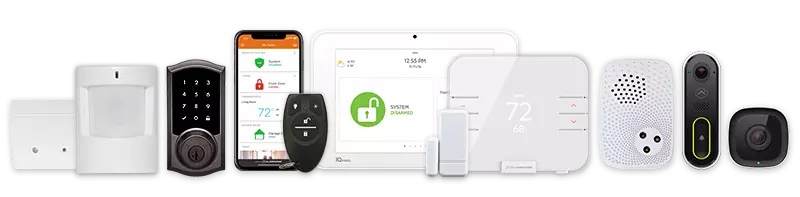
Getting commercial security system design wrong is an expensive mistake. You might end up with blind spots in your camera coverage, alarm systems that trigger false alarms constantly, or access points that are completely unmonitored. Worse, you only find out about these gaps after something goes wrong.
The good news is that most of these mistakes are preventable. With the right approach from the start, you can build a security strategy that actually works for your building, your team, and your budget.
This complete guide to a commercial security system design will walk you through how to think about your setup from the ground up, so you do not have to go back and fix it later.
Why Commercial Security System Design Deserves More Attention
Most business owners treat security system design like a checkbox. Pick a package, get it installed, move on. But a commercial building has unique risks that a generic setup often cannot address.
You are dealing with multiple entry points, varying foot traffic, sensitive data, equipment, inventory, and potentially dozens or hundreds of employees and visitors. A well-designed system accounts for all of that, not just the front door.
Poor planning leads to real consequences – theft, vandalism, liability exposure, and regulatory compliance issues. Getting the design right the first time means fewer headaches down the road and a much stronger level of security overall.
Start With a Thorough Security Audit
Before you pick a single piece of equipment, you need to understand what you are actually protecting and where your vulnerabilities are.
A proper security audit looks at every aspect of your property – entry and exit points, lighting conditions, existing security infrastructure, employee workflows, and areas where high-value assets are stored. It also factors in the surrounding environment, including crime patterns in the area and any history of security incidents on the property.
This is not a step to rush. A skilled security expert will identify risks that are easy to miss – like a loading dock that is only monitored during business hours, or a server room with no access control. These are the kinds of gaps that become costly problems if you skip this phase.
Understanding the Core Components of Commercial Security Systems
A modern commercial security system design is not just an alarm. It is a layered approach made up of several integrated components that work together. Understanding the components of commercial security systems helps you make smarter decisions about what you actually need.
Alarm Systems and Intrusion Detection
The alarm system is still the backbone of most commercial building security setups. Modern commercial alarm systems go well beyond a simple siren. An intrusion detection system can include door and window sensors, motion detectors, glass break sensors, and pressure-sensitive triggers.
When integrated with monitoring services, a commercial alarm system ensures that any breach triggers an immediate response – whether that is alerting your security team, notifying law enforcement, or both. The key is making sure your alarm covers every realistic point of entry, not just the obvious ones.
Security Cameras and Video Surveillance
A solid surveillance system is essential for any commercial security system design. Closed-circuit television remains widely used, but modern systems go far beyond basic CCTV. Today’s business security cameras offer high-definition video, night vision, pan-tilt-zoom camera capabilities, and even video surveillance systems powered by artificial intelligence.
Advanced security cameras can detect motion, recognize behavior patterns, and send real-time alerts to your smartphone or mobile device. For larger commercial properties, multiple security cameras positioned strategically across the building ensure comprehensive coverage with minimal blind spots.
Video surveillance systems also serve as evidence in the event of burglary, vandalism, or disputes – making them one of the highest-value investments in your overall security solution.
Access Control Systems
Physical security means more than keeping intruders out. It also means controlling who can go where inside your building. Access control systems let you manage entry to sensitive areas using digital card readers, biometrics, or mobile app-based credentials.
For office buildings with multiple departments or floors, this is critical. You might want general staff to access common areas freely while restricting the server room, executive offices, or storage areas to authorized personnel only. Good access control also gives you a detailed audit trail of who entered specific areas and when – valuable information during any security investigation.
Fire Alarms, Smoke Detection, and Environmental Monitoring
A complete guide to a commercial security system design has to include life safety systems. A fire alarm system, smoke detectors, carbon monoxide sensors, and water leak detection are all part of a responsible building security system installation.
These systems protect not just your property but also your people. In many cases, regulatory compliance and occupational safety and health standards require them. Integrating these with your broader alarm system means one platform managing both security threats and natural disasters or emergency responses.
How to Choose the Right Security System for Your Business
Choosing a commercial security system design is not a one-size-fits-all decision. The right commercial security solution for a small business operating out of a single office is very different from what a multi-location enterprise needs.
Here are the key factors to think through:
- Size and layout of your commercial building. A large warehouse needs a very different approach than a boutique retail space. Think about the number of entry points, the square footage, and how people move through the space.
- Your specific security risks. What are you most worried about? Theft? Unauthorized access to sensitive data? Vandalism after hours? Your security needs should drive your system design, not the other way around.
- Scalability. Your business will grow. Choose systems to protect your current operations that can also grow with your business without requiring a full replacement. Scalability is one of the most overlooked factors in commercial security technology planning.
- Integration. The best commercial security system is one where all the components communicate with each other. Security alarm systems, cameras, access control, and even smart thermostats and HVAC automation should be integrated components managed from a single platform.
- Monitoring options. UL-certified alarm monitoring ensures that when your alarm triggers, a trained team responds immediately, not just a notification sent to your phone. This is especially important for commercial properties where the cost of a security system is easily justified by the assets being protected.
Common Mistakes in Commercial Security System Design
Even experienced business owners make these mistakes when setting up their security systems for commercial buildings.
- Relying on outdated equipment. Older systems often lack encryption, cloud computing integration, and compatibility with modern security systems. A cyberattack targeting an unsecured camera network is just as dangerous as a physical breach.
- Underestimating coverage needs. A single security camera covering a large area often leaves significant blind spots. Plan your camera placement carefully based on your audit, not assumptions.
- Ignoring false alarm management. Excessive false alarm triggers waste resources and can result in fines or reduced law enforcement responses over time. A well-designed system uses smart sensors and analytics to minimize false alarms while maintaining sensitivity to real threats.
- Forgetting about lighting. Security cameras and motion detectors perform significantly better with proper lighting. Outdoor lighting integrated with your surveillance system dramatically improves detection accuracy and acts as a visible deterrent.
- Not planning for remote access. Modern commercial security technology should allow you to monitor your property from any internet-connected device. If your system does not offer mobile app access, you are leaving an important management capability on the table.
Building a Layered Security Strategy
The strongest security systems for businesses use a layered approach. No single component is perfect on its own. But when alarm systems, security cameras, access control, and environmental sensors are integrated with other security systems and monitored continuously, they create a comprehensive security net.
Think of it in layers. The outer layer deters and detects – perimeter lighting, security cameras, and visible alarm signage. The middle layer controls access – doors with digital card or biometric readers, intercom systems, and visitor management. The inner layer monitors and responds – intrusion detection, motion detector alerts, and direct communication with monitoring teams or security personnel.
This integrated approach separates businesses that recover quickly from those that don’t.
Why Professional Installation and Monitoring Matter
There is a reason that a building security system design should not be a DIY project for most commercial properties. Proper placement of cameras, sensors, and alarm devices requires both technical knowledge and an understanding of how people and threats actually move through a space.
Professional installation also ensures that your system meets local code requirements, integrates correctly with your infrastructure, and is tested thoroughly before it goes live. At True Home Protection, the team brings over a decade of experience installing and monitoring commercial security systems across Texas, offering no-contract options, same-day service, and UL-certified alarm monitoring that keeps your business covered around the clock.
The cost of a business security system installed and monitored by professionals is almost always lower than the cost of recovering from a single serious security incident without one.
Strengthen Your Commercial Security Over Time
Getting the design right the first time does not mean your work is done. Security threats evolve.
New technology emerges. Your business changes. A good commercial security system design strategy includes regular reviews of your existing security setup to identify new vulnerabilities and take advantage of improvements in commercial security technology.
Facial recognition system capabilities, AI-powered video content analysis, and the Internet of
Things integration is becoming more accessible and practical for commercial properties.
Staying current with modern commercial security developments helps you strengthen your commercial security posture and stay ahead of emerging risks.
Schedule a full system review at least once a year and after any significant change to your property, operations, or workforce.
Conclusion
Getting a commercial security system design right from the start protects your people, your assets, and your peace of mind. The key is to treat it as a real investment, not an afterthought.
Start with a thorough audit, build a layered system, choose scalable technology, and work with professionals who understand the full picture. If you are ready to protect your business with a system built around your specific needs, reach out to True Home Protection at 1-800-393-6461 to get started.