Running a business in San Antonio comes with real rewards and real risks. Whether you operate a retail store on the North Side, a warehouse near Loop 410, or a multi-unit commercial complex downtown, protecting your property after hours and during them is a challenge that deserves serious attention.
Outdoor security cameras are one of the most effective tools a business can have. But choosing the right system, placing cameras correctly, and making sure everything actually works when you need it to are questions many business owners struggle to answer. This guide is here to help you think through all of it clearly.
Why Outdoor Security Cameras Matter for San Antonio Businesses
As San Antonio continues to grow, that growth brings opportunity, but it can also increase exposure to theft, vandalism, and liability issues. Commercial properties without visible surveillance are seen as easier targets. It is not just about catching criminals after the fact; a well-designed camera system actively deters incidents before they happen.
Beyond crime prevention, outdoor cameras also protect businesses from false liability claims, help managers monitor operations remotely, and provide documentation that can be critical in insurance disputes or legal matters. For any business serious about long-term stability, investing in professional-grade outdoor surveillance is a smart baseline for property protection.
What to Look for in Outdoor Commercial Security Cameras
Not every camera on the market is built for commercial use, and the differences matter more than most people realize.
Image Quality and Resolution
A camera that captures blurry footage is nearly useless when you need to identify a license plate or a person’s face. For commercial properties, high-definition resolution, at minimum 1080p and ideally 4K for wider coverage areas, is the standard. Higher resolution also gives you the ability to digitally zoom in on recorded footage without losing critical detail.
Weather Resistance and Durability
San Antonio weather is no joke. Between scorching summer heat, sudden thunderstorms, and the occasional freeze, outdoor cameras need to be built tough. Look for cameras with an IP65 or higher weatherproof rating, which means they are protected against dust and heavy rain.
For high-traffic areas or locations prone to tampering, vandal-resistant housings add another layer of protection.
Night Vision and Low-Light Performance
Most commercial break-ins and incidents happen after dark. Cameras with infrared (IR) night vision or color night vision technology ensure your property is covered 24 hours a day, not just during business hours. Color night vision, in particular, captures footage in color even in low-light conditions, which makes identifying suspects far easier.
Wide Angle and Pan-Tilt-Zoom (PTZ) Capability
Large parking lots, loading docks, and building perimeters often require cameras that can cover wide fields of view. PTZ cameras can be remotely adjusted to track movement across large areas. Fixed wide-angle cameras, when placed strategically, can also eliminate blind spots without the added cost of motorized units.
Where to Place Outdoor Cameras on a Commercial Property
Camera placement is as important as the cameras themselves. Poor placement creates blind spots that can be exploited.
Entry and exit points are always the first priority, every door, loading bay, and gate should be covered. Parking lots and vehicle access areas are next, since vehicle theft and break-ins are among the most common commercial property crimes in San Antonio. Perimeter fencing and alleyways often go unmonitored and are worth addressing, especially for properties in industrial or warehouse districts.
For retail businesses, camera angles near the storefront should capture faces at a natural height rather than pointing straight down. For office buildings, coverage of the exterior stairwells and secondary entrances is often overlooked and frequently exploited.
A professional security assessment can identify the specific vulnerabilities of your property layout, something that general advice cannot fully replace.
Local Compliance and Privacy Considerations in Texas
Texas has specific laws governing the use of surveillance cameras, and commercial property owners need to be aware of them. Generally, recording video in publicly visible outdoor spaces on your own property is permitted. However, audio recording without consent can create legal complications, so it is worth reviewing your system’s audio capabilities with a knowledgeable provider.
Posting visible signage indicating that surveillance is in use is considered best practice in Texas and can actually strengthen your legal standing if recorded footage is ever used as evidence.
Businesses may also benefit from coordinating with local law enforcement on crime prevention strategies, including camera placement and data retention best practices.
Cloud Storage vs. On-Site Recording: Which Is Right for Your Business?
How your footage is stored is a decision that affects both security and convenience.
- On-site recording using a Digital Video Recorder (DVR) or Network Video Recorder (NVR) keeps footage local. It is reliable and does not depend on internet connectivity, but physical hardware can be stolen or damaged in a break-in, which defeats the purpose.
- Cloud storage sends footage off-site automatically, meaning even if someone physically damages your cameras or recording equipment, the footage is preserved. Cloud systems also allow remote access from any device, which is valuable for business owners who travel or manage multiple locations.
Many commercial setups use a hybrid approach: on-site storage for immediate access and cloud backup for long-term security. A trusted security provider can help you determine what makes sense based on your business size, budget, and internet infrastructure.
Integrating Outdoor Cameras with a Broader Commercial Security System
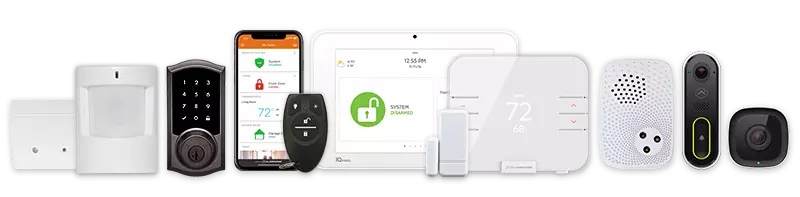
Outdoor cameras work best when they are part of a connected security ecosystem rather than a standalone solution. When integrated with alarm systems, access control, and monitored response services, your cameras become part of a proactive defense rather than a passive recording device.
For example, motion-triggered cameras can automatically alert a monitoring center when activity is detected outside business hours. That alert can then trigger a response, whether that is a remote audio warning, a call to law enforcement, or a notification sent directly to your phone.
If you are building or upgrading a commercial security strategy, exploring video surveillance solutions for businesses that integrate with alarm monitoring and access control is worth prioritizing. A unified system is simply more effective than individual components operating in isolation.
Frequently Asked Questions
How many cameras does a commercial property typically need?
It depends on the size and layout of the property, but most commercial properties benefit from a minimum of four to eight outdoor cameras, with larger facilities requiring considerably more. A site assessment is the most reliable way to determine exact coverage needs.
Do outdoor cameras require professional installation?
For commercial properties, professional installation is strongly recommended. Proper wiring, weatherproofing, camera angles, and integration with other systems require expertise that goes beyond a DIY setup. Incorrect installation can leave blind spots or create vulnerabilities.
How long should businesses retain surveillance footage?
Most security experts recommend retaining footage for at least 30 days, with some industries or insurance policies requiring longer. Cloud storage solutions make extended retention more manageable and cost-effective.
Will outdoor cameras reduce my business insurance premiums?
Many commercial insurers in Texas offer discounts for properties with professionally installed and monitored security systems. It is worth contacting your insurance provider directly to ask about specific requirements and potential savings.
Protecting Commercial Properties with Outdoor Security Cameras
Protecting a commercial property in San Antonio is not just about having cameras. It is about having the right cameras, placed correctly, integrated properly, and backed by a monitoring system that responds when something goes wrong.
True Home Protection has been helping Texas businesses build smarter, more reliable security strategies since 2011. If you are ready to protect your property with a system designed for the demands of commercial use, call +1-800-393-6461 today to schedule a consultation and take the first step toward real, lasting peace of mind.