When your alarm goes off in the middle of the night, you probably want more than just a loud siren. You want someone on the other side who actually knows what to do. That is exactly what professional monitoring is designed to deliver.
But how does it actually work? What happens in those critical seconds and minutes after an alarm is triggered? Let us walk you through the entire process, from the moment a sensor detects a problem to the point where first responders are on their way to your door.
What Is Professional Alarm Monitoring and Why Does It Matter?
A monitored alarm system connects your home or business to a central monitoring station staffed by trained professionals around the clock. Unlike a traditional alarm that just makes noise, a professionally monitored home security setup sends an alert to real people who can assess the situation and take action.
This distinction matters more than most people realize. A loud burglar alarm might scare off an intruder, but it does nothing if you are asleep, out of town, or simply unaware. Professional monitoring closes that gap.
At True Home Protection, the monitoring service is backed by certified alarm monitoring, meaning the team and the technology meet industry standards for reliability and response time.
How Alarm Monitoring Works: Step by Step
Understanding how alarm monitoring works helps you trust the process when it counts the most.
Step 1: The Alarm Is Triggered
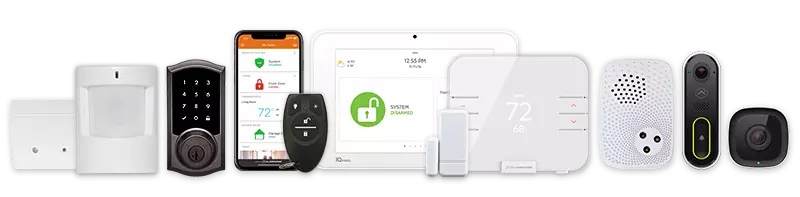
Everything starts with your security system detecting a problem. This could be a motion detector picking up movement, a door or window sensor being opened, a smoke detector sensing fire, a carbon monoxide detector registering dangerous levels, a glass break sensor responding to shattered glass, or a panic button being pressed manually.
The moment any of these alarms is triggered, a signal is sent immediately to the monitoring center.
Step 2: The Monitoring Center Receives the Signal
Once the monitoring center receives the alarm signal, monitoring agents are alerted within seconds. Modern monitoring systems are built to process alarm events rapidly, often in under a minute from the initial trigger.
The monitoring professionals on duty can see key information about your account, including your address, the type of alarm, and your contact list.
Step 3: Alarm Verification
Before dispatching emergency services, a responsible monitoring company will first attempt to verify the alarm. This step exists specifically to reduce false alarm calls, which put unnecessary strain on fire departments, police, and EMS.
Alarm verification typically involves calling your primary contact number, followed by any additional numbers you have listed. Some monitoring solutions also use video monitoring to visually confirm what is happening through your security cameras linked to your account.
This is where remote video monitoring adds serious value. Instead of relying solely on a phone call, monitoring specialists can look at live footage from your security camera system and make a more informed decision about whether to dispatch emergency services.
Step 4: Dispatching the Right Help
If the monitoring agents cannot reach you, or if they verify through video or your response that there is a real emergency, they will dispatch emergency services without delay. Depending on the alarm type, this could mean police for a burglar alarm, the fire department for a fire alarm or smoke alert, or EMS to your home for a medical emergency or carbon monoxide threat.
The goal is always to get the right responders dispatched to your home as quickly as possible.
Step 5: Keeping You in the Loop
Professional monitoring services do not just call 911 and disappear. Once help is on the way, monitoring professionals will typically attempt to reach you again to let you know what is happening. Many modern systems also send notifications through a mobile app, giving you real-time alerts on your phone through text messaging or push notifications.
This means even if you are not home, you stay informed every step of the way.
What Happens When It Is a False Alarm?
False alarms are one of the most common concerns people have about monitored security systems. The good news is that alarm verification procedures are specifically designed to filter these out before resources are wasted.
If you accidentally trigger your security alarm, you can call for help by reaching your monitoring center directly or by entering your cancellation code before the verification call escalates. A well-run monitoring provider will always give you that window to respond.
Reducing false alarm calls also protects you from potential fees in some Texas jurisdictions, where repeated false dispatches can result in fines.
The Technology Behind the Response
Professional monitoring delivers more than just a phone call. Today’s monitoring system infrastructure includes redundant servers, backup power, and multiple communication channels so that nothing breaks down when it matters most.
Certified monitoring centers are built to stay operational even during power outages or internet disruptions. This kind of system monitoring reliability is what separates professional security monitoring from DIY home security setups that depend entirely on your home’s internet connection.
Sensors throughout your home, including flood sensors, temperature monitors, and carbon monoxide detectors, feed continuous information back to the central monitoring station. If a water leak starts at 3 AM, the monitoring center knows before it becomes a disaster.
Why Professional Security Monitoring Services Go Beyond Burglar Alarms
Many homeowners think of alarm monitoring as just a burglary prevention tool. But professional security monitoring services cover a much wider range of threats.
A comprehensive monitoring plan through True Home Protection can include:
- Fire and smoke detection – connected to professional alert systems that notify the fire department before flames spread
- Carbon monoxide monitoring – because carbon is invisible and odorless, a fast professional response can be life-saving
- Flood and water damage alerts – catching leaks before they destroy floors, walls, and assets inside your home
- Medical alerts – including panic button functionality for households with elderly family members or health conditions
- Smart home integration – connecting security and home automation features under one roof
- CCTV and surveillance – using closed-circuit television for professionally monitored security with real visual context
This breadth of coverage is part of why professional monitoring is considered a cornerstone of any serious home security strategy.
What Makes a Monitoring Center Trustworthy?
Not all monitoring companies are created equal. When choosing professional monitoring services, look for a monitoring center that is UL-certified, meaning it meets Underwriters Laboratories standards for monitoring performance and security.
Award-winning monitoring teams, like those backing True Home Protection, also operate with fast response times and clear escalation protocols. You want monitoring agents who are trained monitoring professionals, not outsourced call center staff reading from a script.
An A+ BBB rating and a certified monitoring center signal the kind of professional installation and service standards that protect you when the stakes are highest.
What Does Professional Monitoring Cost?
Monitoring costs vary depending on the scope of your system and monitoring plan. The key is finding a monitoring service that offers transparent pricing without hidden fees.
True Home Protection approaches this honestly. There are no surprise charges, and the monitoring company provides the same commercial-grade equipment and certified alarm monitoring whether you are protecting a single-family home or a business property.
For most Texas homeowners and businesses, the peace of mind from knowing trained monitoring specialists are watching around the clock far outweighs the monthly investment.
What Happens Without Professional Monitoring?
Without professional monitoring, your security system is largely passive. It can alert you directly, but if you miss the notification or are incapacitated, no one else is stepping in. A professionally monitored home security system means that even when you cannot respond, someone qualified will.
The difference between a monitored alarm and an unmonitored one is, in many cases, the difference between a situation being handled and a situation getting worse.
Conclusion
Professional monitoring centers work through a disciplined, fast, and human-centered process that kicks in the moment your system detects a threat. From alarm verification to getting EMS to your home, every step is designed to protect you without unnecessary delay.
True Home Protection provides certified monitoring backed by UL-certified standards, no-contract flexibility, and same-day service across Texas. If you want a security monitoring service that genuinely responds when it matters, reach out at +1-800-393-6461 to get started today.