If you live in an apartment in Texas, you’ve probably wondered how secure you really are. You do not control the entire building. You share hallways, parking lots, and walls. And you might assume the landlord has everything covered.
The truth is, apartment security and safety are a shared responsibility. Your landlord or property management team handles building-level protections. You, as the resident, control what happens inside your unit.
These smart apartment security tips focus on practical steps that actually deter an intruder, reduce the risk of theft, and help you feel safe and secure every day.
Start with the Most Overlooked Weak Spot: Your Apartment Door
Your apartment door is the primary barrier between you and the outside world. Most break-ins happen through the front entrance, not through dramatic movie-style window shattering.
First, check your lock. A solid deadbolt should extend at least one inch into the door frame. If you only have a basic knob lock, ask your landlord about upgrading to deadbolts. In many Texas properties, this is either required by law or strongly encouraged for leasehold estate properties.
Look for:
- A sturdy Door frame with no cracks
- A secure latch that fully clicks into place
- No loose hardware or broken locks
- A working peephole so you can see who is outside
If the hardware feels weak, request repairs in writing. A good property manager will respond quickly because preventing burglary protects the entire property.
For even more protection, consider adding a security door reinforcement plate or a portable door brace. It adds an extra layer of resistance against forced unauthorized entry without permanently modifying the unit.
Reinforce Doors and Windows Without Violating Your Lease
You probably cannot replace the main door or drill into the structure without permission. That does not mean you are powerless.
Start with all doors and windows, including any glass panels near the entrance. Make sure every lock functions smoothly. If you have a sliding door leading to a balcony or porch, place a security bar in the track. A sliding door is a common target because it can be forced off its track if not properly secured.
Window film is another smart option. It makes glass harder to shatter and slows down a burglar looking for a quick break-in.
At night, close your blinds or curtains. Leaving blinds or curtains wide open advertises your electronics and routines. Simply remembering to close your blinds helps keep your apartment safe without spending a dollar.
Do Not Ignore Common Areas
When you live in an apartment, your security extends beyond your unit. Hallways, stairwells, mailrooms, parking lots, and laundry rooms all play a role.
Good lighting in common areas discourages theft. If you notice flickering or burned-out bulbs in a stairwell or near the entrance, report it. Lighting is one of the simplest safety tips that truly works.
Pay attention to:
- Broken gates or propped-open security doors
- Strangers lingering near entry points
- Poorly lit parking lots
- Malfunctioning access panels
If something feels off in shared spaces, notify property management. If you see an active crime or attempted burglary, call the police immediately. Quick reporting protects everyone in the building.
Many larger complexes use closed-circuit television systems or a closed-circuit television camera in mailrooms to reduce package theft. If your building does not, you might suggest it. Surveillance in common areas provides useful evidence for law enforcement when needed.
Install an Apartment Security System That Fits Your Space
Some renters assume they cannot have a home security setup. That is outdated information.
Today, you can install a system in your apartment without damaging walls or committing to long contracts.
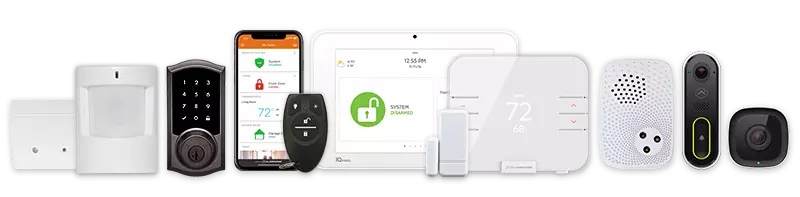
An apartment security system tailored to renters often includes:
- Door and window sensor devices
- A Motion detector for the main living areas
- A Camera for interior monitoring
- A Keypad by the entrance
- Smoke detector integration
- Carbon monoxide detector alerts
The key is choosing flexible equipment. True Home Protection offers advanced home security systems that are designed for apartments and condos. If you prefer to handle setup yourself, easy-to-install DIY security systems are also available.
For added protection, smart video monitoring services allow you to check your unit from your phone, whether you’re at home or across town. That visibility alone increases peace of mind.
When your alarm is in working order and connected to 24/7 professional alarm monitoring, you get an immediate response if a sensor is triggered. That rapid action can stop an intruder before serious property damage occurs.
You can explore comprehensive home security solutions that meet renter needs without locking you into a long-term contract.
Secure Your Routine – Not Just Your Hardware
Physical equipment matters, but daily security practices are just as important.
Be consistent about locking your apartment door immediately after entering. Do not leave it cracked open while taking out trash or chatting with neighbors. Even a quick trip down the hall is technically leaving the apartment unattended.
Keep your keys secure. Avoid labeling a keychain with your full address. If you lose your lock and key set, notify your landlord right away. When moving into a new apartment, request confirmation that the locks have been re-keyed. You never know how many former residents or maintenance workers had copies.
Also think about visibility. If you are gone for several days:
- Keep one light on using a timer
- Arrange for package pickup to prevent package theft
- Avoid advertising travel plans publicly
An apartment safe hidden in a closet can protect important documents, cash, and small valuables. It is a smart addition for anyone serious about protecting personal property.
Pay Attention to Fire and Environmental Safety
Security is not only about preventing theft or burglary. Fire and carbon monoxide are just as dangerous.
Test smoke detectors monthly. Make sure smoke alarms and carbon monoxide systems are functioning correctly. Many units include a smoke detector in the hallway and another in the kitchen area. They are often part of both emergency and insurance requirements.
If your apartment lacks working smoke alarms and carbon monoxide detectors, notify the landlord immediately. It is not optional equipment. Know your emergency exits on your floor. Walk the route once so you do not have to guess in a real emergency.
These apartment safety tips help safeguard your life, not just your belongings.
Protect Your Outdoor Space and Balcony
If your unit has an outdoor space, treat it like part of your security plan. A balcony can be a hidden access point, especially on lower floors or near trees.
Do not store ladders or furniture that could help someone climb. Keep doors locked even when you are home. Install a lock reinforcement on balcony-facing doors if allowed. Good lighting near your patio or porch reduces hiding spots. A simple motion detector light can startle someone attempting a break-in and alert neighbors.
Work With Your Landlord – Not Against Them
Your landlord and property manager have a role in keeping the building property safe. Review your lease carefully. It explains who handles what. If you notice recurring safety issues, document them. Put maintenance requests in writing. Clear communication helps establish accountability.
Remember, you are part of a shared community. Encouraging neighbors to follow basic security tips creates a safer building overall.
Do Not Rely on Renters Insurance Alone
Renters insurance is essential, but it is not a prevention. Renters insurance can help replace stolen items and cover certain types of property damage. It may also offer liability coverage depending on your policy.
Still, no insurance policy restores lost heirlooms or the emotional toll of a break-in.
Renters insurance should be a backup plan, not your primary strategy. Use it alongside strong locks, smart technology, and consistent security practices.
Why Smart Technology Makes Apartments Safer in Texas
Modern smart home tools make it easier than ever to keep your apartment secure.
Mobile alerts tell you if a door opens unexpectedly. Cameras provide real-time surveillance footage. Motion sensors detect unusual activity. You can arm your system in your apartment or disarm it remotely if you forget.
The right setup adapts to your space. Whether you live in an apartment, condo, or apartment building, customized equipment ensures you are not overpaying for features you do not need. If you want professional guidance, True Home Protection specializes in solutions built for renters across Texas. The goal is simple, protect your property without making your life complicated.
Final Thoughts on Keeping Your Apartment Safe
Keeping your apartment secure is not about fear. It is about being prepared. Strengthen your doors and windows, stay alert in common areas, use smart technology, and maintain working smoke detectors and smoke alarms.
Pair everyday habits with reliable monitoring so you can keep your belongings safe and reduce the risk of burglary. If you want expert help choosing the right system, reach out to True Home Protection and explore options designed specifically for Texas renters. Small steps today can prevent major problems tomorrow.