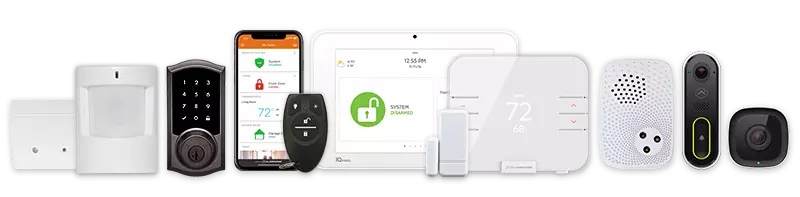

Feeling overwhelmed trying to figure out how to design a home security system for your Texas home? You’re not alone.
With so many options for cameras, sensors, and alarms, it can feel like you’re trying to crack a code only professionals understand. The good news? You don’t need to be a tech wizard or spend a fortune to create an effective home setup. You just need thoughtful planning, the right tools, and expert-backed guidance.
Here’s how to confidently build a security system for your home that’s tailored to your needs and gives you peace of mind.
Understand Your Home’s Vulnerabilities
Before buying anything, take a walk around your property. Ask yourself: where is my home most vulnerable?
Focus on:
- Front and back doors
- Windows on the ground floor
- Garage door access
- First-floor windows in rooms with multiple windows
- The outside of your home, where visibility is low
Identifying these spots will help you know where to place your sensors, security cameras, and motion detectors. You’ll also better understand what kind of system you’ll need for your home’s size and layout.
Key Components of an Effective Home System
Let’s break down the core parts you’ll need to create an effective home security system.
Sensors That Detect and Alert
Your system starts with security sensors to detect unauthorized entry. Here are the most common types:
- Door and window sensors: These trigger alerts when a door or window opens unexpectedly.
- Motion sensors: Use infrared technology to detect motion in designated areas.
- Glass break sensor: Listens for the frequency of breaking glass – helpful near windows on the ground floor.
- Carbon monoxide detectors and smoke detectors: Essential for detecting fumes and fire-related activity.
- Garage door sensor: Alerts you if your garage door is opened without supervision.
Place these sensors:
- Inside door or window frames
- On ground-floor windows
- In hallways or entry points
Not only will sensors help you catch a potential intruder, but they also reduce false alarms by allowing you to set zones and times for activation.
Security Cameras: Your Eyes Inside and Outside
A home security camera allows you to monitor your home visually, from anywhere. Make sure your setup includes:
- Outdoor cameras: Face them toward front and back doors, driveways, and dark corners.
- Indoor camera: Place in shared spaces or hallways for extra in-home monitoring.
- Night vision and motion detection capabilities are must-haves.
Look for cameras with local storage or cloud backups to avoid losing footage. Brands like Wyze, SimpliSafe, or even Eufy offer budget-friendly options with solid performance.
Choose a Home Alarm System You Can Trust
Your home alarm system includes a base station, a loud siren, and controls to arm or disarm the system.
A modern system may consist of:
- Touchscreen keypad for manual control
- Mobile app for remote arming/disarming
- Smartphone notifications for alerts
- Integrated home automation with platforms like Apple Home, Alexa or Google Assistant
Look for a system like Ring Alarm, ADT, or Vivint for ready-to-go options with strong reputations in Texas.
And don’t forget: an alarm panel is your command center. Keep it easily accessible but not in plain view of windows.
Locks and Entry: The Role of Smart Locks and Doorbells
A smart lock and video doorbell provide control and visibility outside your front door.
- A video doorbell lets you see and speak with visitors remotely.
- A smart lock lets you lock/unlock doors from your mobile app, a helpful backup if you forget your keys.
Together, they give you a safe edge when guests or delivery drivers show up unexpectedly.
Wired vs. Wireless: Which Setup Is Right for You?
Whether you go for a wireless system or a hardwired one depends on budget, layout, and preference.
- Wireless options are easier for DIY home security, especially if you’re renting or don’t want to drill holes. These systems use electric batteries and Wi-Fi.
- Hardwired systems are permanent, reliable, and less prone to interference – ideal if you own your home and don’t mind professional installation.
There’s no right or wrong – only what fits your current home and lifestyle.
Professional Monitoring: Peace of Mind or Extra Cost?
It’s your choice: self-monitor through a mobile app, or opt for professional monitoring.
With professional monitoring, companies respond to activity on your behalf, including emergencies like home invasion, fire, or carbon monoxide leaks.
If you’re leaning into diy security systems, self-monitoring may be enough. But for an effective home security system, especially with children or valuables, a professional monitoring plan can be worth the monthly fees.
How to Design an Alarm System Tailored to Your Home
Let’s walk through how to design an alarm system that matches your layout and security needs.
Step 1: Layout Your Entry Points
Mark where you have:
- Doors (including garage door)
- Windows (especially first-floor windows)
- Patios or low balconies
This helps determine how many window sensors and door sensors you’ll need.
Step 2: Place Motion Sensors Strategically
A motion detector should go in:
- Hallways
- Entry areas
- Rooms that burglars would likely pass through
Be sure it detects motion without being triggered by pets or blinds swaying.
Step 3: Install Your Cameras Where They Matter
Cameras should cover:
- Front and back entryways (outside of your home)
- Main interior hallways
- Valuables like safes or electronics
Use night vision-enabled cameras with motion detection to capture suspicious activity 24/7.
Step 4: Connect and Test Your Alarm System
Once installed:
- Set up your keypad or touchscreen
- Use your mobile app for alerts
- Arm and disarm the system regularly
Check that your siren activates on test commands, your sensors respond properly, and your security products are synced.
Step 5: Integrate for Smart Home Functionality
Link your system to your broader smart home setup. This may include:
- Thermostat control
- Lighting automation
- Remote video access
- Locks or triggers based on location or time
Platforms like Apple Home, Alexa, and Google allow basic automation without steep learning curves.
Budgeting for Your Home Security Setup
Security doesn’t have to come with large monthly fees. Whether you choose diy systems or partner with someone like SimpliSafe, ADT Inc., or Vivint, the key is understanding what you actually need for your home.
Consider:
- Your home’s size and layout
- Your comfort with technology
- Whether you prefer self or professionally monitored systems
- Your budget for security components
Some homeowners start small and scale over time, focusing first on front and back doors and then adding cameras and carbon monoxide detectors later.
To see the best options designed for residential homes in Texas, check out our lineup of home security systems for residential properties.
Real-World Example: Layered Security in Action
This approach uses multiple types of protection – like cameras, alarms, and locks – to create barriers that stop burglars at different points.
It’s not about overkill. It’s about balance.
A glass break sensor, a video camera, and carbon monoxide alerts make a solid trio that covers more than a single device ever could. Even a home safe adds defense within the last line of security.
Final Thoughts: You Can Protect Your Home With Confidence
Designing a security system for your home doesn’t need to be complicated. When you focus on identifying entry points, choosing smart security components, and establishing reliable monitoring, you’ll build a system that fits your home—and your life.
Whether you choose SimpliSafe, Ring Alarm, or go full custom with diy home security, what matters most is that it’s tailored to your needs.
Start small if you need to. Just don’t wait for a break-in or emergency to take action.
Looking for more tips or ready to get started? Stay connected with us at True Home Protection for trusted advice and updates that help you keep your home safe year-round.