Why are we rated the top security system provider in the state of Texas?
- Serving Texas since 2011
- Licensed Texas security provider
- Alarm.com powered technology
- 24/7 professional security system monitoring
- Serving Austin, San Antonio, Houston, and Dallas-Fort Worth
WHAT IS INCLUDED IN A WELL DESIGNED SECURITY SYSTEM?
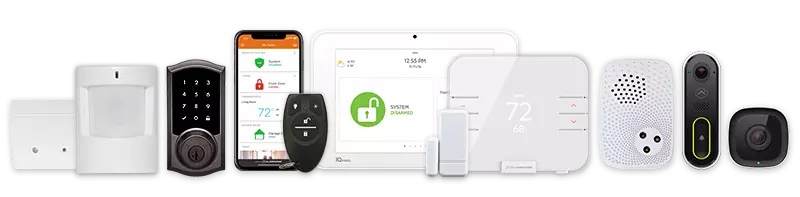
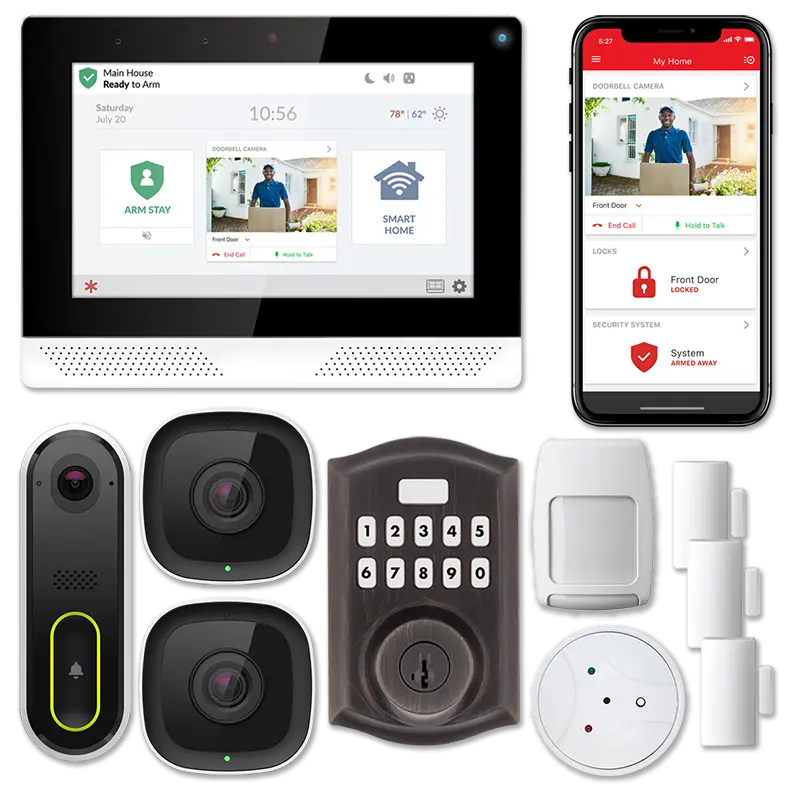
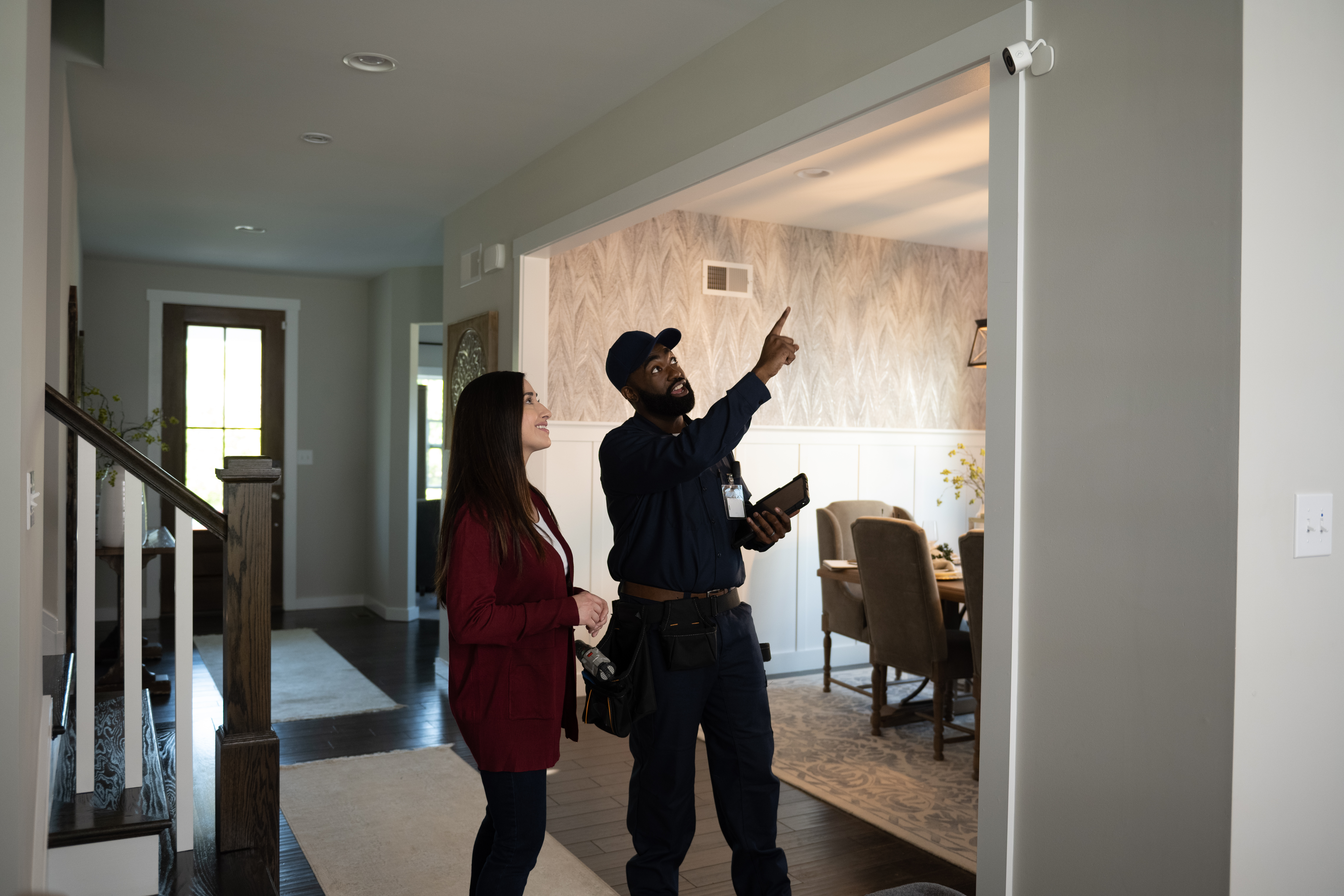
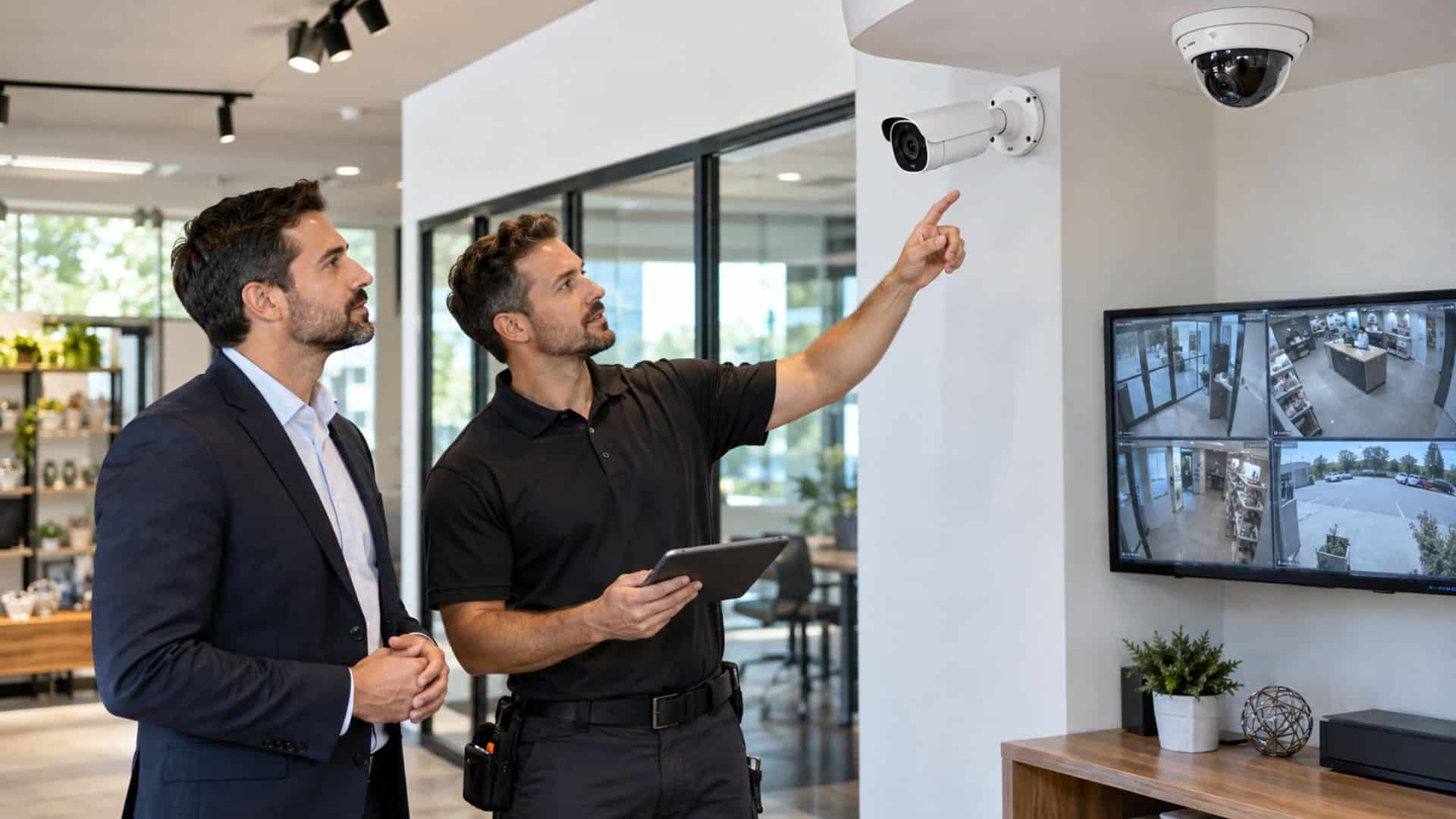
Custom security systems can include professional installation, 24/7 alarm monitoring, cellular communication, battery backup, door and window sensors, motion detection, HD cameras, video doorbells, smart locks, mobile-app control, and police, or medical response.
Home Security
- Alarm Systems
- Cameras
- Smart Locks
- App Access
- Professional Monitoring
Business Security
- Intrusion Alarms
- CCTV Surveillance Systems
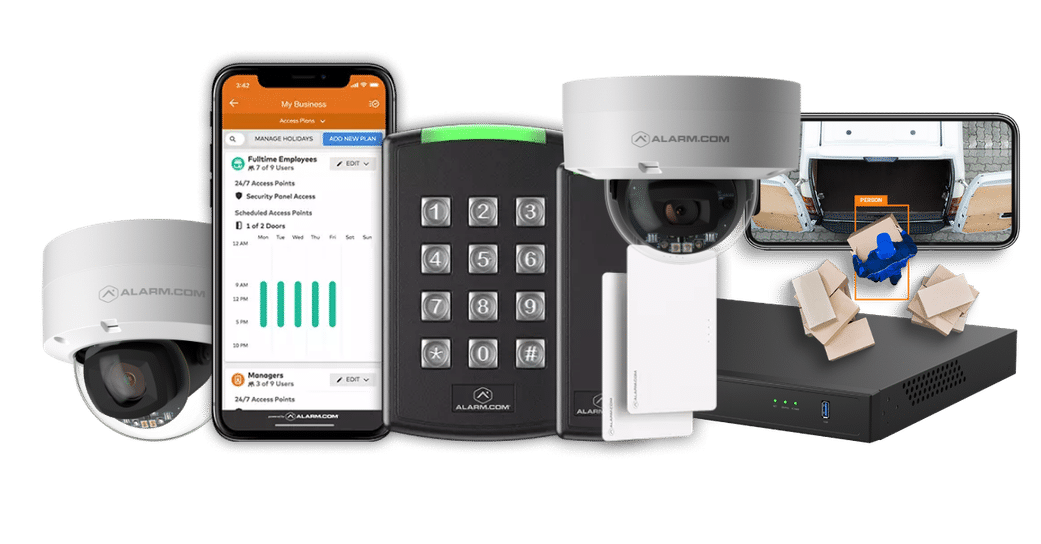
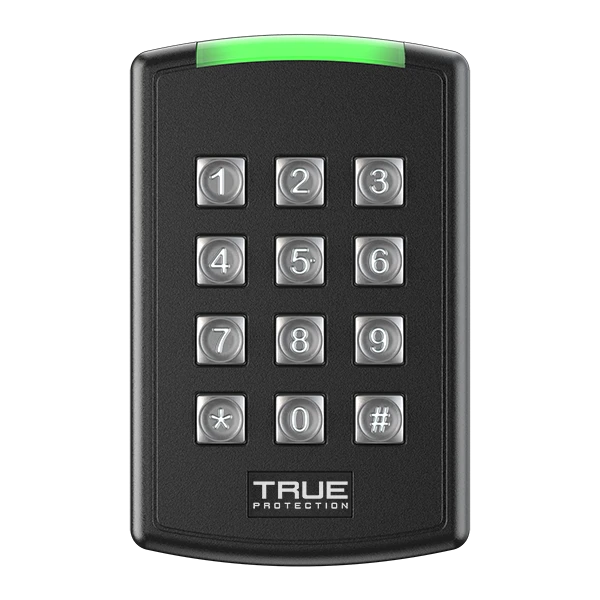
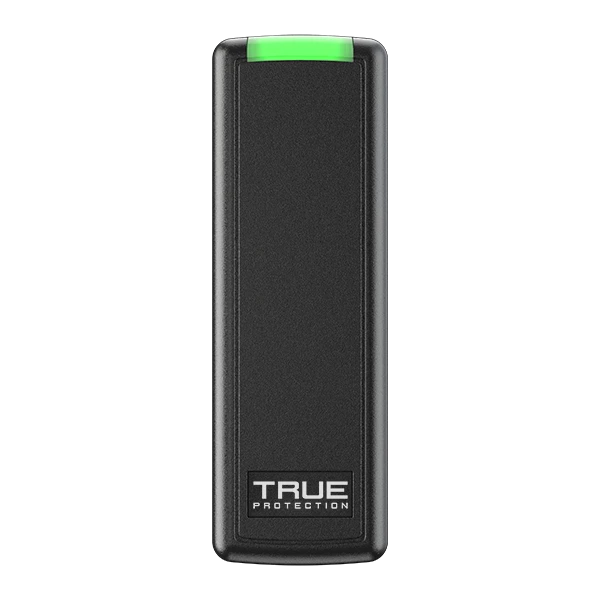
- Access Control
- Remote Monitoring
Commercial Security
- Video Surveillance
- Access Control
- Structured Cabling
- Multi-site Management




What You Need to Know When Choosing a Security System That is Right For You
- Does True Protection require a contract? -At True Protection we have a variety of options from month-to-month to the industry standard 36 months.
- What does professional security monitoring include? -Professional security system monitoring provides 24/7 response to alarm events through advanced technology provided through Alarm.com and our UL-Listed facility.
- Can True Protection re-use or upgrade my existing security equipment? -Many times we can utilize some or all of your existing equipment to reduce costs.
Popular Products & Services
We offer a variety of security systems for your home and business. Our systems at True Protection are designed to give you peace of mind and protect your business and home from personal harm and/or property loss. We also go a step beyond, offering access control and video surveillance installations to better protect your property.
Explore current home security deals for savings on monitored protection and equipment.
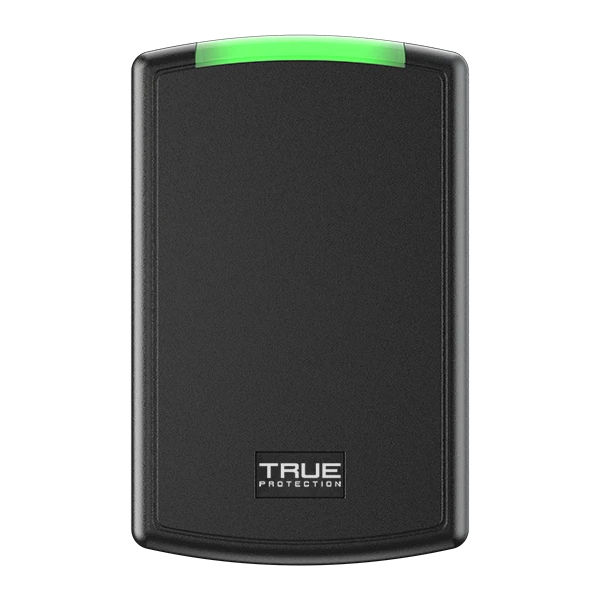

Why Texans Choose True Protection
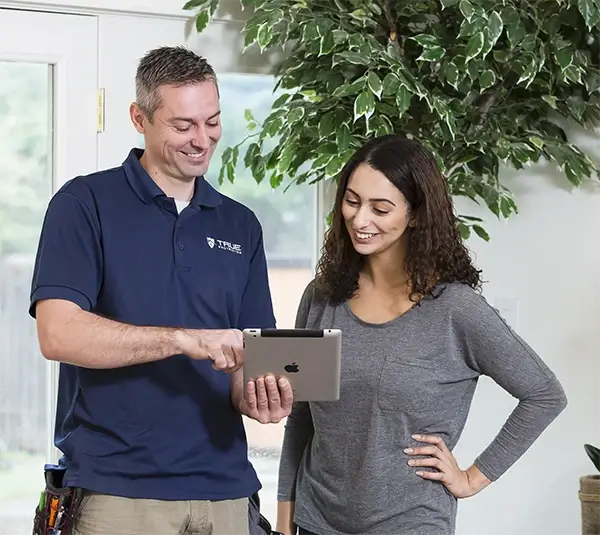
Protect, Control & View From Anywhere, Anytime.
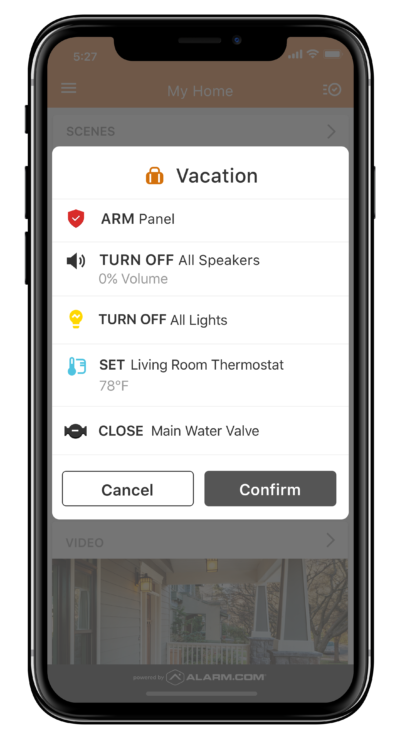
Alarm.com Powered Connected Home
Honey, Did We Remember to Lock the Door?
Check from your phone and keep your vacation on track. Get automated notifications based on geofencing rules and A.I. powered analytics.
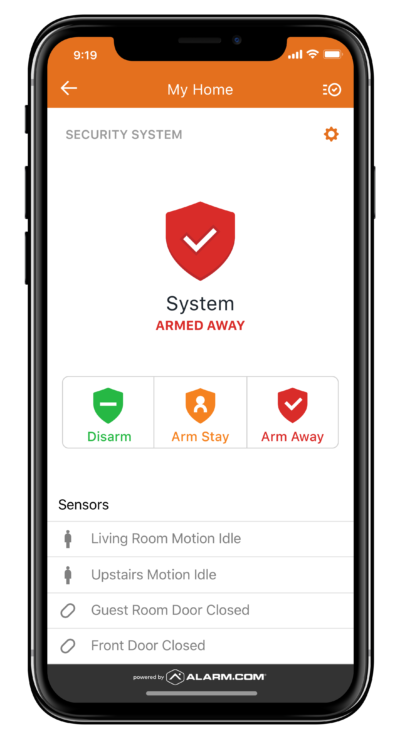
True Powered Security System
Did we remember to arm the security system?
With a True Protection security system, arm or disarm your security system from anywhere in the world with the push of a button.
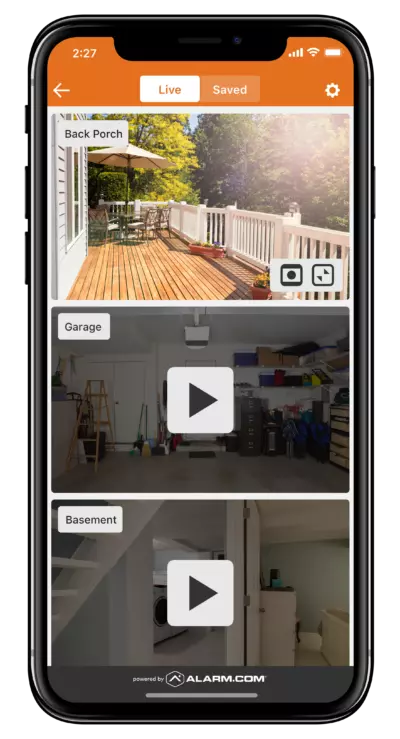
Video Surveillance Packages
Monitor Your Home or Business From Anywhere
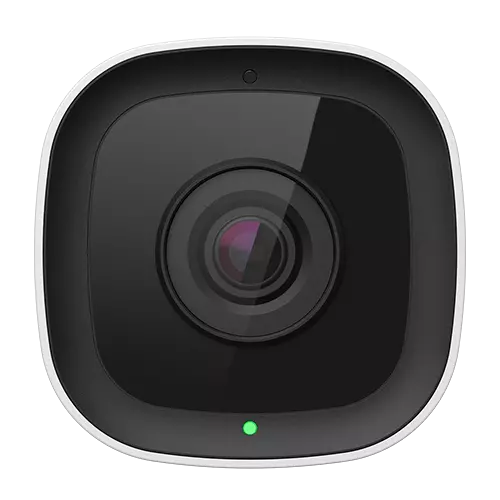
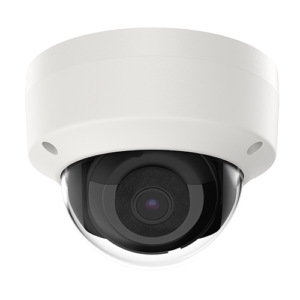
Remotely view your home or business with True Protection's video surveillance packages powered by smart analytics.
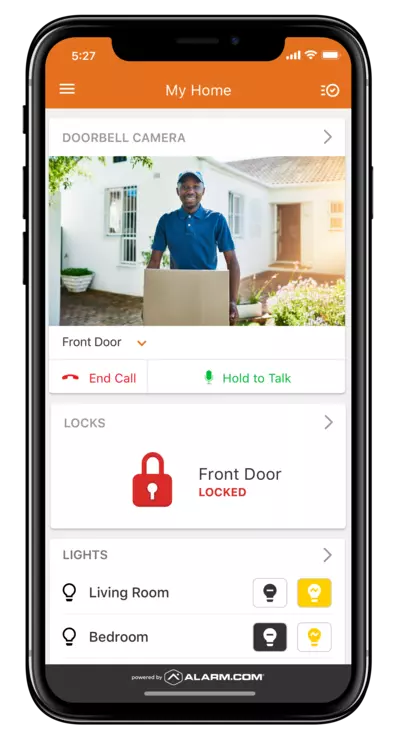
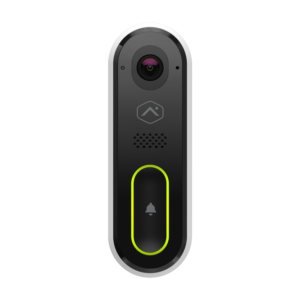
Alarm.com Doorbell Camera
See who's knockin' on your door.
Use your HD 2-way video doorbell camera to see who is at the front door without having to interrupt your family dinner.
Getting Started with True Protection
1. Contact True Protection
Fill out our form or call us at 1-800-393-6461 to receive a free quote for your home or business.
2. Customize Your System
Speak with one of your local experts to help you find the best home or business alarm system for you.
3. Schedule Your Installation
After customizing your system, we will schedule a quick and painless installation at your convenience.